
Short Answer
21 Facts About Poisonous Animals
- Poison vs. Venom: Poisonous animals release toxins when touched or ingested, whereas venomous animals inject toxins via bites or stings.
- Wide Range of Species: Poisonous animals include amphibians, insects, fish, reptiles, and even some mammals.
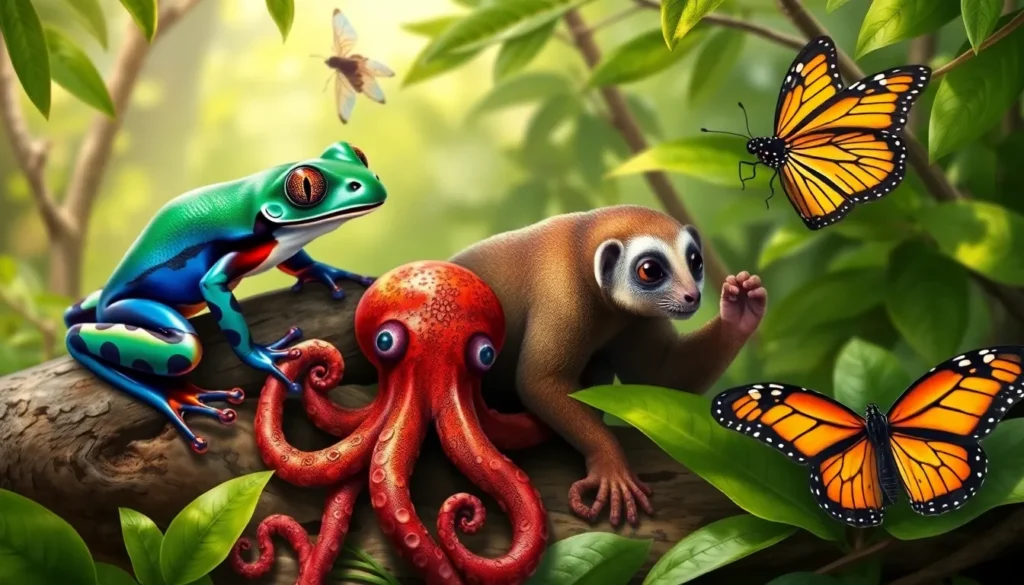
- Poison Dart Frogs: Their bright colors warn predators of their potent skin toxins derived from their diet in the wild.
- Slow Loris: One of the few venomous mammals, it produces a toxin from glands on its arms used defensively.
- Blue-ringed Octopus: This small marine animal carries a powerful neurotoxin called tetrodotoxin, dangerous to humans.
- Monarch Butterfly Caterpillars: They accumulate toxins from milkweed plants, making the adult butterflies poisonous to predators.
- Golden Poison Frog: Considered one of the most poisonous animals on Earth due to its batrachotoxin levels.
- Hooded Pitohui: A bird from New Guinea, its feathers contain batrachotoxins similar to poison dart frogs.
- Poisonous Spiders: Some spiders produce venom that can be harmful, but a few have toxins that are poisonous if ingested.
- Sea Slugs: Certain species accumulate toxins from their prey and store them for defense.
- Poisonous Plants and Animals Relationship: Some animals acquire poison by eating toxic plants or animals, not producing toxins themselves.
- Variation in Toxicity: Toxicity levels can vary based on geography, diet, and individual differences within species.
- Warning Coloration: Many poisonous animals exhibit aposematic coloration to deter predators.
- Use of Toxins: Poison can serve for defense, predation, or competition among animals.
- Adaptations to Poison: Some animals have evolved immunity to poisons of other species, allowing them to prey on or coexist with poisonous animals.
- Human Interactions: Most poisonous animals avoid humans, but accidental contact can pose risks requiring medical treatment.
- Conservation Concerns: Habitat loss threatens many poisonous species, some of which have ecological importance.
- Venomous vs. Poisonous Confusion: The difference is often misunderstood; venom is injected, poison is absorbed or ingested.
- Poisonous Amphibians: Their permeable skin makes them susceptible to environmental toxins, impacting their populations.
- Ecological Role: Poisonous animals help regulate ecosystems by controlling prey populations and deterring predators.
- Medicinal Research: Toxins from poisonous animals are studied for potential medical applications, including painkillers and treatments for diseases.
Habitat and Behavior
Poisonous animals are found in diverse habitats ranging from tropical rainforests and coral reefs to deserts and temperate regions. Many poisonous amphibians, such as poison dart frogs, inhabit humid forest floors, where their toxins protect them from numerous predators. Marine poisonous animals, like the blue-ringed octopus and certain sea slugs, live in coral reefs or rocky coastal areas. Behavioral adaptations often include aposematic coloration as a warning to potential predators. Some species, like the slow loris, use their toxins defensively, while others accumulate toxins through diet. These animals typically avoid confrontation but rely on their poison to deter threats or capture prey, contributing to their survival in competitive environments.
Why This Animal Matters
Poisonous animals play significant ecological roles by maintaining the balance of ecosystems through predator-prey interactions. Their presence influences the behavior and population dynamics of other species. Culturally, some poisonous animals, such as poison dart frogs, have been important in indigenous practices and continue to inspire scientific study. Toxins from these animals have potential medical benefits, leading to research in pharmacology and drug development. Conservation of poisonous species is crucial as many face habitat destruction and environmental changes, which can impact ecosystem health and biodiversity.
Common Misconceptions
Misconception: All brightly colored animals are poisonous.
Correction: While bright coloration often signals toxicity, not all colorful animals are poisonous; some use mimicry to appear dangerous without possessing toxins.
Misconception: Poisonous animals actively attack humans.
Correction: Most poisonous animals avoid humans and only pose a risk if handled or ingested accidentally.
Misconception: Venomous and poisonous mean the same thing.
Correction: Venomous animals inject toxins through bites or stings, whereas poisonous animals deliver toxins when touched or eaten.
Misconception: Poisonous animals are always deadly.
Correction: Toxicity varies widely; some poisons cause mild reactions, while others can be life-threatening depending on dose and species.
FAQ
What is the difference between poisonous and venomous animals?
Poisonous animals deliver toxins when they are touched or ingested by other organisms, while venomous animals inject toxins directly through bites or stings.
Are all brightly colored animals poisonous?
Not all brightly colored animals are poisonous; some use bright colors to mimic poisonous species as a defense mechanism without producing toxins themselves.
Can poisonous animals be kept as pets?
Some poisonous animals are kept in captivity under controlled conditions, but they require expertise due to their toxic nature and potential risks to humans.

Leave a Reply