
Short Answer
21 Facts About Cockatoos
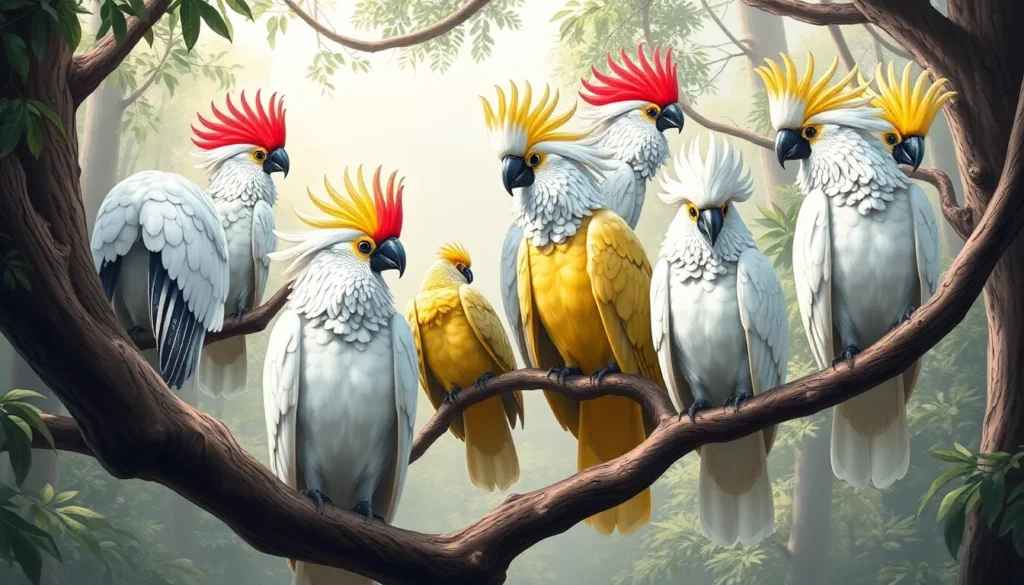
- Crested Head Feathers: Cockatoos are easily identified by the prominent crest of feathers on their heads, which they can raise or lower to communicate.
- Family Cacatuidae: They belong to the family Cacatuidae, which is distinct from other parrots due to anatomical and behavioral traits.
- Native Range: Cockatoos are native primarily to Australia, New Guinea, and nearby islands, adapting to a variety of habitats.
- Varied Species Size: Species range widely in size from the small cockatiel to the large palm cockatoo.
- Social Birds: Most cockatoos are highly social, often forming large flocks outside breeding season.
- Intelligence: They are known for their intelligence, capable of problem-solving and using tools.
- Long Lifespan: Cockatoos can live several decades, with some species living over 60 years in captivity.
- Diet: Their diet mainly includes seeds, nuts, fruits, and occasionally insects or larvae.
- Strong Beaks: Cockatoos have powerful beaks adapted to crack hard nuts and seeds.
- Vocal Communication: They use a variety of loud calls and sounds for communication within flocks.
- Nesting Habits: Cockatoos nest in tree hollows, often competing with other wildlife for suitable sites.
- Monogamous Pairs: Many species form long-term pair bonds and share parenting duties.
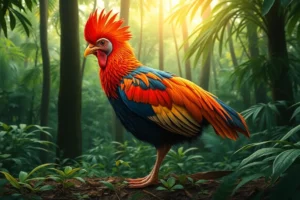
- Feather Colors: While many cockatoos are predominantly white, others display black, grey, or pink plumage.
- Conservation Status Varied: Some species are abundant, while others are threatened due to habitat loss and illegal trade.
- Cultural Significance: Cockatoos appear in Indigenous Australian art and folklore.
- Pet Popularity: Certain species are popular pets, though they require significant care and attention.
- Flight Pattern: Cockatoos have a distinctive undulating flight pattern, alternating flaps and glides.
- Tool Use Observation: The palm cockatoo is notable for using sticks to drum on trees, a rare example of tool use in birds.
- Molting: They go through annual molt cycles, which can affect their plumage and behavior.
- Threats: Habitat destruction, trapping for the pet trade, and invasive species pose risks to cockatoo populations.
- Research Importance: Cockatoos are studied for insights into avian cognition and social behavior.
Habitat and Behavior
Cockatoos inhabit a range of environments including forests, woodlands, and savannas, primarily in Australia and surrounding regions. They are adaptable birds that may also be found in urban areas where food sources are available. Their social behavior is complex; they often gather in large flocks for feeding and roosting but form monogamous pairs during breeding seasons. Cockatoos communicate through loud vocalizations and use their crest feathers to signal mood or threats. They rely on strong beaks to access food like seeds, nuts, and fruits, and nest in tree cavities, often competing for these limited spaces with other cavity-nesting animals.
Why This Animal Matters
Cockatoos play important ecological roles as seed dispersers and participants in forest dynamics. Their feeding habits can influence plant regeneration and biodiversity. Culturally, cockatoos hold significance for Indigenous peoples of Australia, appearing in traditional stories and artworks. Conservation-wise, they highlight the challenges faced by wildlife due to habitat loss and human activities. Protecting cockatoo species helps maintain ecological balance and supports efforts to preserve native wildlife habitats.
Common Misconceptions
Misconception: All cockatoos are white.
Correction: While many species have predominantly white feathers, others such as the palm cockatoo are black or grey, and some have pink or yellow highlights.
Misconception: Cockatoos make good pets for inexperienced owners.
Correction: Cockatoos require specialized care, attention, and social interaction; they can develop behavioral problems if neglected.
FAQ
What do cockatoos eat?
Cockatoos primarily consume seeds, nuts, fruits, and occasionally insects or larvae depending on the species and habitat.
Are cockatoos endangered?
The conservation status of cockatoos varies by species. While some are abundant, others face threats from habitat loss and illegal trade and are considered vulnerable or endangered.
Can cockatoos mimic human speech?
Yes, many cockatoos are capable of mimicking human speech and other sounds, displaying advanced vocal learning abilities similar to other parrots.

Leave a Reply