
Short Answer
21 Facts About Wildlife Rehabilitation
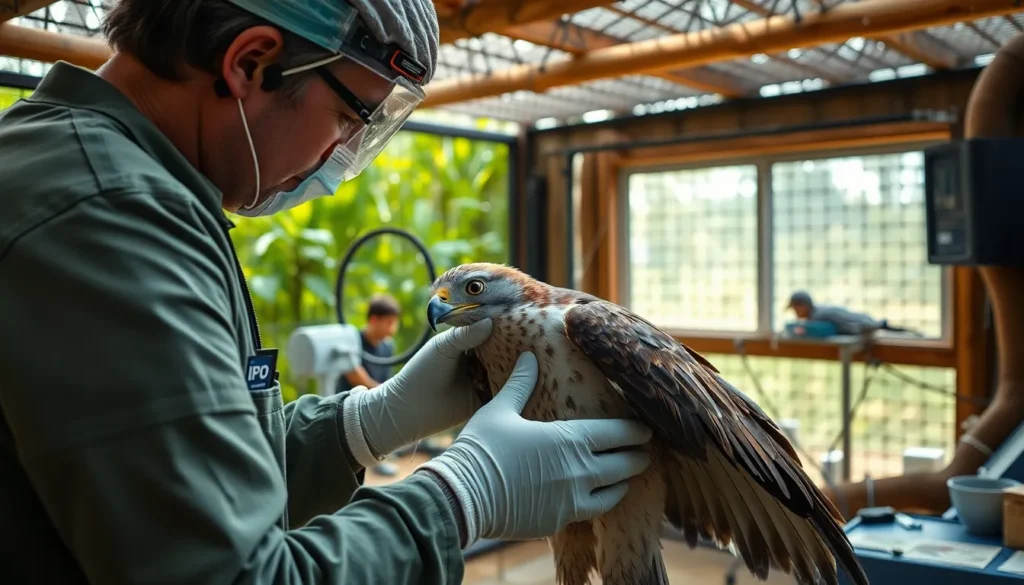
- Wildlife rehabilitation is the process of caring for injured, sick, or orphaned wild animals. It aims to restore animals to health and release them back into their natural environment whenever possible.
- Rehabilitators often work with a wide range of species. These can include birds, mammals, reptiles, amphibians, and sometimes marine animals, depending on the facility and region.
- Wildlife rehabilitation requires specialized knowledge and permits. Many countries and states regulate rehabilitators to ensure proper care and adherence to legal protections for wildlife.
- Not all animals can be released after rehabilitation. Some may have permanent injuries or behavioral issues that prevent successful survival in the wild, leading to placement in sanctuaries or educational facilities.
- Orphaned animals often require intensive care. They may need feeding on specific diets, heat regulation, and socialization to prepare them for eventual release.
- Stress management is a critical aspect of rehabilitation. Minimizing human contact and providing a naturalistic environment helps reduce stress and improves recovery outcomes.
- Rehabilitation centers rely heavily on volunteers and donations. Many operate as nonprofits with limited funding and depend on community support to function.
- Rehabilitators often collaborate with veterinarians. Veterinary care is essential for diagnostics, treatment, and surgical interventions when necessary.
- Release strategies are carefully planned. Factors such as the animal’s health, age, species behavior, and habitat conditions influence the timing and location of release.
- Wildlife rehabilitation can contribute to scientific research. Data collected from rehabilitated animals can provide insights into species health, disease prevalence, and environmental threats.
- Education and public outreach are common components. Many rehabilitation programs engage communities to raise awareness about wildlife conservation and human impact.
- Some species require species-specific care protocols. For example, raptors, marine mammals, and reptiles have distinct dietary and environmental needs during rehabilitation.
- Seasonal patterns influence rehabilitation caseloads. Spring and summer often see higher numbers of orphaned young animals due to breeding seasons.
- Human-related threats are a leading cause of wildlife injuries. These include vehicle collisions, habitat destruction, pollution, and domestic pet attacks.
- Rehabilitators must balance intervening with respecting natural processes. Sometimes, minimal intervention is preferred to avoid disrupting natural survival mechanisms.
- Technological advances aid rehabilitation efforts. For example, GPS tracking collars help monitor released animals to study their post-release survival.
- Rehabilitation centers vary in size and specialization. Some focus on particular animal groups or local wildlife, while others have broader capacities.
- Legal frameworks protect many wild species. Rehabilitators must comply with laws such as the Migratory Bird Treaty Act or Endangered Species Act in the United States.
- Successful rehabilitation can support population recovery efforts. Especially for threatened or endangered species, releasing healthy individuals back into the wild is vital.
- Wildlife rehabilitation is distinct from domesticated animal rescue. It emphasizes returning animals to the wild rather than permanent captivity or adoption.
- Ethical considerations guide rehabilitation decisions. Rehabilitators carefully assess the animal’s welfare, potential for survival, and ecological consequences before intervening.
Habitat and Behavior
Wildlife rehabilitation encompasses animals from diverse habitats, including forests, wetlands, grasslands, deserts, and marine environments. Animals undergoing rehabilitation may have been displaced from their natural habitats due to injury or orphaning. Behaviorally, rehabilitators strive to encourage natural instincts and survival skills, such as hunting, foraging, and predator avoidance. The goal is to prepare animals to reintegrate smoothly into their native ecosystems, where they can survive independently and contribute to ecological balance.
Why This Animal Matters
While wildlife rehabilitation involves many species, the practice itself is important for conserving biodiversity and supporting ecosystem health. By restoring injured or orphaned animals to the wild, rehabilitation helps maintain population numbers and genetic diversity. This is particularly critical for endangered species or those affected by human activities. Furthermore, wildlife rehabilitation fosters human-wildlife coexistence by educating the public about the importance of protecting natural habitats and reducing threats to wildlife.
Common Misconceptions
Misconception: All injured or orphaned wildlife should be rescued by humans.
Correction: Not all wildlife interventions are beneficial. Sometimes, young animals are mistakenly perceived as orphaned when their parents are nearby. Unnecessary human interference can cause stress or harm.
Misconception: Wildlife rehabilitators keep animals as pets.
Correction: The primary goal of rehabilitation is release back into the wild. Animals are only kept indefinitely if they cannot survive in nature, usually in licensed sanctuaries or educational programs.
FAQ
What is the main goal of wildlife rehabilitation?
The primary goal is to treat injured, sick, or orphaned wild animals and release them back into their natural habitats whenever possible.
Are all rehabilitated animals released back into the wild?
No. Some animals have injuries or conditions that prevent survival in the wild and may be placed in sanctuaries or used for educational purposes.
Do wildlife rehabilitators need special permits?
Yes. Most jurisdictions require permits or licenses to legally rehabilitate wildlife, ensuring proper care and compliance with conservation laws.
Leave a Reply