
Short Answer
21 Facts About Lobsters
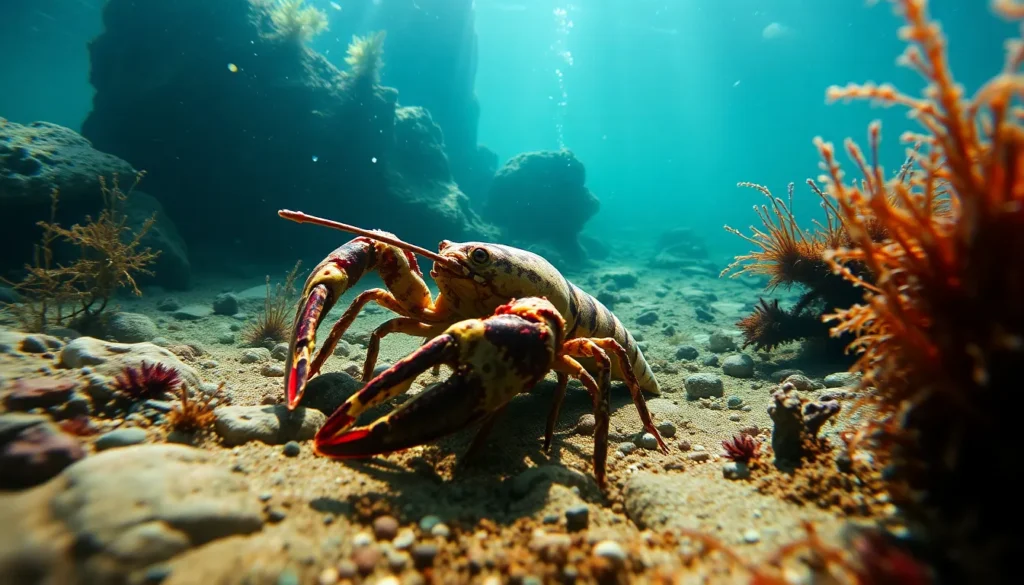
- Lobsters have a hard exoskeleton. This external shell protects their body and must be periodically shed during growth through a process called molting.
- They possess two large claws with different functions. One claw is typically larger and used for crushing, while the smaller claw is sharper and used for cutting.
- Lobsters can regenerate lost limbs. If a lobster loses a claw or leg, it can regrow it during subsequent molts.
- Lobsters have blue blood. Unlike humans, they use hemocyanin containing copper for oxygen transport, which gives their blood a blue color.
- They exhibit complex behaviors and social interactions. Lobsters communicate through body language and chemical signals and can show aggression or dominance.
- Lobsters have excellent sensory abilities. Their antennae and small hairs on their legs help detect vibrations and chemicals in the water.
- They are primarily nocturnal feeders. Lobsters tend to be more active at night when they search for food such as fish, mollusks, and other crustaceans.
- Lobsters can live for several decades. Some studies suggest lobsters may live up to 50 years or more in the wild.
- They grow by molting. When a lobster outgrows its shell, it sheds it and grows a new, larger one.
- Lobsters’ coloration can vary. While typically brownish-green, rare color morphs such as blue, yellow, and even albino lobsters have been documented.
- Lobsters are found in cold waters. They thrive in the cold, rocky coastal waters of the Atlantic Ocean, especially around North America and Europe.
- The American lobster is the most commercially harvested species. It is widely caught along the northeastern coast of the United States and Canada.
- Lobsters have a complex digestive system. They use gastric mills inside their stomachs to grind food before digestion.
- Lobsters do not age in a conventional sense. Some research suggests lobsters show negligible senescence, meaning they do not exhibit typical signs of aging.
- Lobsters use their claws for defense and hunting. Their powerful claws enable them to crush prey and defend themselves from predators.
- Lobsters can swim backward rapidly. By flexing their abdomen and tail, lobsters can quickly escape threats.
- Lobsters are important in marine food webs. They act as both predators and prey, helping maintain ecological balance.
- They have a decentralized nervous system. Lobsters’ nerve centers are spread throughout their body, allowing independent limb movement.
- Lobsters are sensitive to environmental changes. They respond to changes in water temperature, salinity, and pollution.
- They have been the subject of scientific research on aging and regeneration. Due to their longevity and limb regeneration, lobsters are studied in biology and medicine.
- Lobsters have been culturally significant. They appear in folklore, cuisine, and art, symbolizing various meanings over time.
Habitat and Behavior
Lobsters typically inhabit cold, shallow waters along continental shelves, preferring rocky, sandy, or muddy substrates where they can find shelter. They are primarily nocturnal, hiding in crevices or burrows during the day and emerging at night to forage for food. Lobsters are omnivores, feeding on fish, mollusks, algae, and detritus. Their behavior includes territoriality and complex mating rituals. Lobsters use their antennae and legs to sense their environment and communicate with other lobsters through chemical signals and physical displays.
Why This Animal Matters
Lobsters play a vital ecological role as both predator and prey in marine ecosystems, helping regulate populations of smaller species and providing food for larger animals. Economically, lobsters are significant to fisheries and contribute substantially to the seafood industry, particularly in the northeastern United States and Canada. Scientifically, lobsters are studied for their unique physiology, including their longevity and regenerative abilities. Conservation efforts focus on sustainable harvesting to prevent overfishing and protect lobster populations amidst environmental changes.
Common Misconceptions
Misconception: Lobsters scream when boiled alive.
Correction: Lobsters do not have vocal cords and cannot produce sound; the noise heard during cooking is steam escaping from their shells.
Misconception: Lobsters turn red when alive.
Correction: Lobsters are usually dark greenish-brown or bluish; they only turn red during cooking due to heat breaking down pigments.
Misconception: Lobsters are immortal.
Correction: While lobsters exhibit negligible senescence and can live long, they are not immortal and can die from disease, predation, or environmental stress.
Misconception: Lobsters always have one large claw and one small claw.
Correction: While common, some lobsters may have claws of similar size or can switch claw functions if a claw is lost and regrown.
FAQ
Do lobsters feel pain when boiled?
Scientific consensus on whether lobsters feel pain is inconclusive. Lobsters have a nervous system that allows them to react to stimuli, but whether they experience pain as humans do remains debated among scientists.
How do lobsters grow?
Lobsters grow by molting their exoskeleton. During molting, they shed the old shell and expand their body before the new shell hardens, allowing them to increase in size.
Why do lobsters have different sized claws?
Lobsters have one crusher claw for breaking shells and one cutter or pincher claw for tearing softer prey. This differentiation aids in their feeding and defense strategies.


Leave a Reply