
Short Answer
21 Facts About Hedgehogs
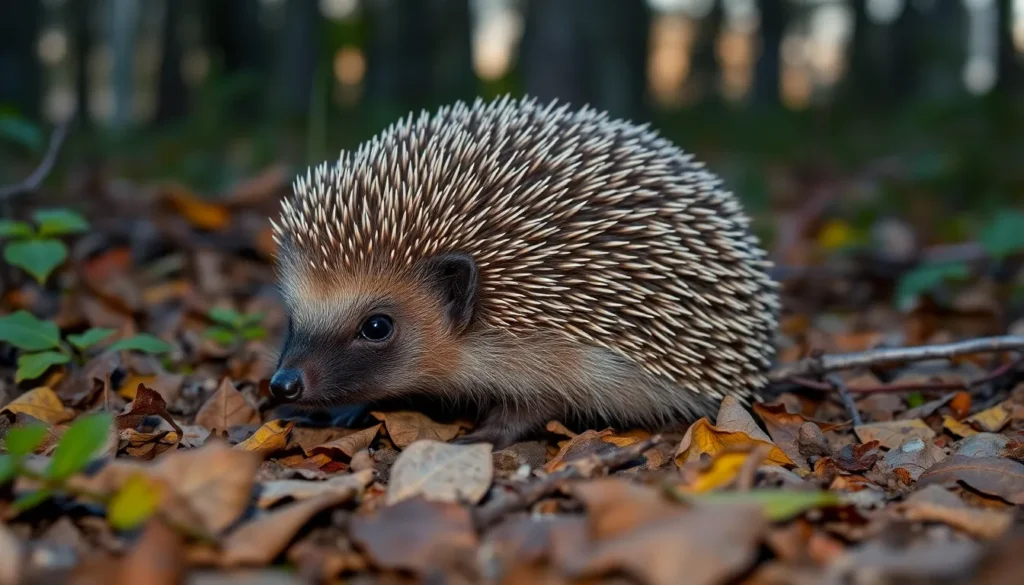
- Hedgehogs are mammals covered in spines. These spines, or quills, are modified hairs made of keratin that provide protection from predators.
- They are primarily nocturnal animals. Hedgehogs are most active at night, using their excellent sense of smell and hearing to forage in the dark.
- Hedgehogs can roll into a tight ball. When threatened, they curl up with their spines pointing outward to deter predators.
- There are about 17 species of hedgehogs. These species are found across Europe, Asia, and Africa but are not native to Australia or the Americas.
- Hedgehogs have a varied diet. They are primarily insectivores but also eat small vertebrates, fruits, and fungi.
- They use self-anointing behavior. When encountering new smells, hedgehogs produce frothy saliva and spread it on their spines, though the exact purpose is not fully understood.
- Hedgehogs have poor eyesight. Instead, they rely on their strong sense of smell and hearing to navigate and find food.
- They communicate using grunts, snuffles, and squeals. These vocalizations can indicate different emotional states or warnings.
- Hedgehogs hibernate in colder climates. During winter, they enter a state of torpor to conserve energy, lowering their metabolic rate.
- They have a lifespan of about 3 to 7 years in the wild. Predation and environmental factors affect their longevity.
- Hedgehogs are solitary animals. They tend to live and forage alone except during mating season or when a mother is raising her young.
- Hedgehogs have an important role in pest control. By feeding on insects and other invertebrates, they help regulate populations that could harm crops or gardens.
- They have strong limbs and digging abilities. Hedgehogs dig for food and create nests or burrows for shelter.
- Hedgehog babies are called hoglets. They are born blind and without spines, which develop shortly after birth.
- Hedgehogs can travel up to 2 kilometers in a single night. This range helps them find sufficient food and mates.
- They have few natural predators. Predators include badgers, foxes, and birds of prey, but their spines provide significant defense.
- Hedgehogs have been kept as pets in some countries. However, domestication requires careful care and is regulated in many regions.
- The European hedgehog is the most common species studied in research. It is often used to understand mammalian hibernation and behavior.
- Hedgehogs have a low body temperature compared to many mammals. This adaptation assists their hibernation process.
- They use their snout to root through leaf litter and soil. This helps them locate insects and other food sources hidden in the undergrowth.
- Hedgehogs have been culturally significant in folklore and literature. They often symbolize protection, curiosity, or resilience in various cultures.
Habitat and Behavior
Hedgehogs inhabit a range of environments including woodlands, grasslands, and suburban gardens. They prefer areas with abundant ground cover such as leaves or shrubs that provide shelter and foraging opportunities. As primarily nocturnal creatures, hedgehogs spend daylight hours resting in nests made of leaves, grass, and other vegetation. Their diet mainly consists of insects, worms, snails, and occasionally small vertebrates and fruits. They are solitary animals except during breeding or when females care for their offspring. In colder regions, hedgehogs hibernate through winter months, entering a state of torpor to conserve energy when food is scarce.
Why This Animal Matters
Hedgehogs contribute to their ecosystems by controlling populations of insects and other invertebrates, which can help reduce damage to plants and crops. Their presence indicates a healthy environment with biodiversity. Culturally, hedgehogs have appeared in folklore, symbolism, and literature, reflecting human fascination with their unique characteristics. Conservation-wise, some hedgehog species face threats from habitat loss, road traffic, and pesticides, making awareness and protection efforts important in certain regions.
Common Misconceptions
Misconception: Hedgehogs can throw their spines at predators.
Correction: Hedgehogs cannot shoot their spines. The spines are fixed and only serve as a passive defense when the animal curls into a ball.
Misconception: Hedgehogs are rodents.
Correction: Hedgehogs belong to the order Erinaceomorpha and are not rodents. They are more closely related to shrews and moles.
Misconception: Hedgehogs are immune to all snake venom.
Correction: While some hedgehog species have partial resistance to certain snake venoms, they are not completely immune to all types.
Misconception: Hedgehogs make good low-maintenance pets.
Correction: Hedgehogs require specific care including temperature regulation, diet, and habitat enrichment to thrive in captivity.
FAQ
What do hedgehogs eat?
Hedgehogs primarily eat insects, worms, snails, and occasionally small vertebrates and fruits. Their diet varies depending on the availability of food in their habitat.
Are hedgehogs endangered?
While many hedgehog species are not endangered, some populations, such as the European hedgehog, face declines due to habitat loss, road traffic, and pesticide use. Conservation efforts are ongoing in some areas.
Can hedgehogs be kept as pets?
Hedgehogs can be kept as pets in some countries, but they require specialized care including appropriate diet, temperature control, and habitat enrichment. Legal restrictions may apply depending on the location.



Leave a Reply