
Short Answer
21 Facts About the Animal Rights Movement
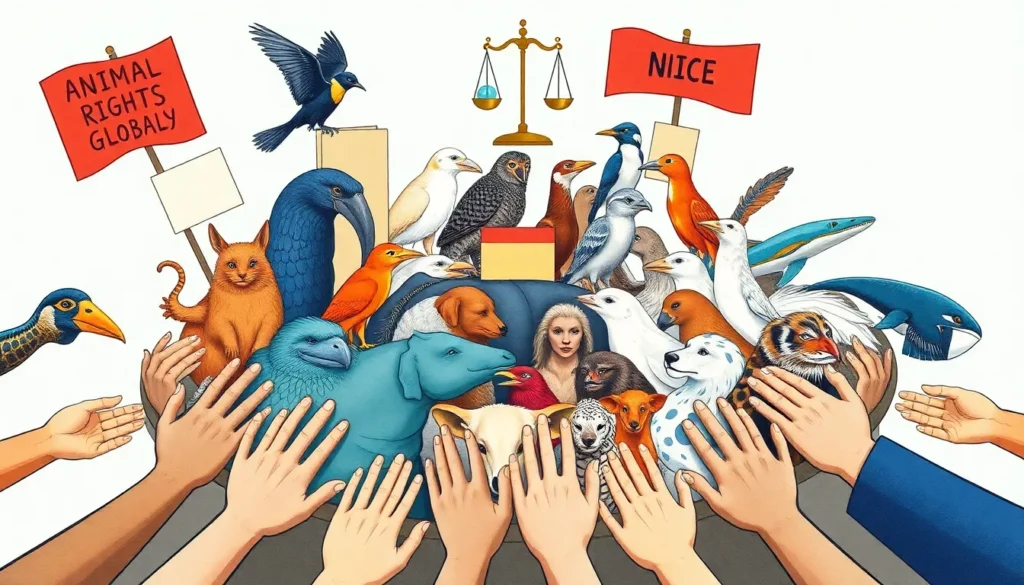
- Origins in the 19th Century: The animal rights movement began gaining formal structure in the early 1800s, with the formation of organizations like the Royal Society for the Prevention of Cruelty to Animals (RSPCA) in 1824 in England.
- Philosophical Foundations: The movement is grounded in ethical theories such as utilitarianism and rights-based ethics, notably influenced by philosophers like Peter Singer and Tom Regan.
- Not All Animal Advocacy Is the Same: The movement distinguishes between animal welfare, which aims to improve conditions for animals, and animal rights, which argues animals should not be used by humans at all.
- Legal Milestones: Various countries have enacted laws influenced by the movement, such as banning cosmetic testing on animals or regulating factory farming practices.
- Veganism and Vegetarianism: These dietary choices are often promoted by the animal rights movement as ways to reduce animal suffering.
- Influential Organizations: Groups like PETA (People for the Ethical Treatment of Animals) and the Humane Society International are prominent advocates in the movement.
- Use of Direct Action: Some activists employ direct action tactics, including protests, undercover investigations, and civil disobedience, to promote animal rights.
- Intersection with Environmentalism: The movement often overlaps with environmental concerns, as both address issues of exploitation and respect for life.
- Global Reach: While originating in the West, animal rights advocacy now spans continents, with diverse cultural adaptations worldwide.
- Focus on Factory Farming: A significant area of concern involves industrial animal agriculture, which the movement criticizes for its scale and cruelty.
- Animal Testing Opposition: The movement campaigns against the use of animals in scientific, medical, and cosmetic testing.
- Legal Personhood Debates: Some activists seek to have certain animals legally recognized as persons with rights, such as great apes and cetaceans.
- Public Awareness Efforts: Education campaigns, media outreach, and celebrity endorsements are tools used to raise awareness about animal rights.
- Criticism and Controversy: The movement faces criticism from industries, some scientists, and cultural groups who argue animal use is necessary or traditional.
- Influence on Popular Culture: Animal rights themes appear in literature, film, and art, often reflecting societal debates on ethics and empathy.
- Legal Personhood Successes: Some courts have begun recognizing limited rights for animals, such as bans on certain types of captivity or cruelty.
- Ethical Veganism as a Lifestyle: Beyond diet, ethical veganism involves avoiding animal products in clothing, entertainment, and other areas.
- Animal Liberation Philosophy: This radical branch within the movement advocates for the complete abolition of animal exploitation.
- Historic Animal Rights Figures: Early advocates include Henry Salt and Ruth Harrison, who influenced modern thinking and legislation.
- Non-Human Personhood Movements: Legal campaigns seek to extend rights like freedom from torture to intelligent non-human animals.
- Ongoing Challenges: Despite progress, the movement continues to confront issues such as speciesism, cultural resistance, and economic interests.
Habitat and Behavior
The animal rights movement is not tied to a physical habitat like an ecosystem, but rather exists across human societies globally. It behaves as a social and political movement, engaging in advocacy, education, and legal efforts to influence human behavior toward animals. It survives and evolves through grassroots activism, organizational efforts, academic research, and cultural discourse.
Why This Animal Matters
Although the movement is not an animal itself, its importance lies in its impact on the treatment of animals worldwide. It plays a critical ecological role by advocating for sustainable and respectful interactions with animal species. Culturally, it challenges longstanding human practices and ethics, encouraging empathy and reconsideration of animal use. Conservation relevance includes promoting alternatives to harmful practices, thus benefiting biodiversity and animal welfare.
Common Misconceptions
Misconception: The animal rights movement seeks to eliminate all human use of animals immediately.
Correction: While some factions advocate for abolitionist goals, the broader movement includes a range of strategies from reform to abolition, often emphasizing gradual change.
Misconception: Animal rights activists are against all forms of animal care, including pets.
Correction: Most animal rights advocates support ethical treatment and care of pets, opposing cruelty rather than companionship.
Misconception: The movement only involves protesting.
Correction: It encompasses diverse activities including legal advocacy, education, scientific research, and community outreach.
Misconception: Animal rights and animal welfare are identical.
Correction: Animal welfare focuses on humane treatment, whereas animal rights argue for fundamental legal and moral rights for animals.
Misconception: The movement is a recent phenomenon.
Correction: Concepts of animal rights date back centuries, with organized movements developing since the 19th century.
FAQ
What is the difference between animal rights and animal welfare?
Animal rights argue that animals have inherent rights similar to human rights, opposing their use by humans. Animal welfare focuses on humane treatment and minimizing suffering while allowing animal use.
Who are some key figures in the animal rights movement?
Philosophers like Peter Singer and Tom Regan are foundational figures. Activists such as Henry Salt and Ruth Harrison also contributed to early advocacy and reforms.
How has the animal rights movement impacted laws?
It has influenced legislation banning cosmetic testing on animals, regulating farming practices, and recognizing limited legal rights for certain animals in various countries.





Leave a Reply