
Short Answer
21 Facts About Swordfish Warm Brain
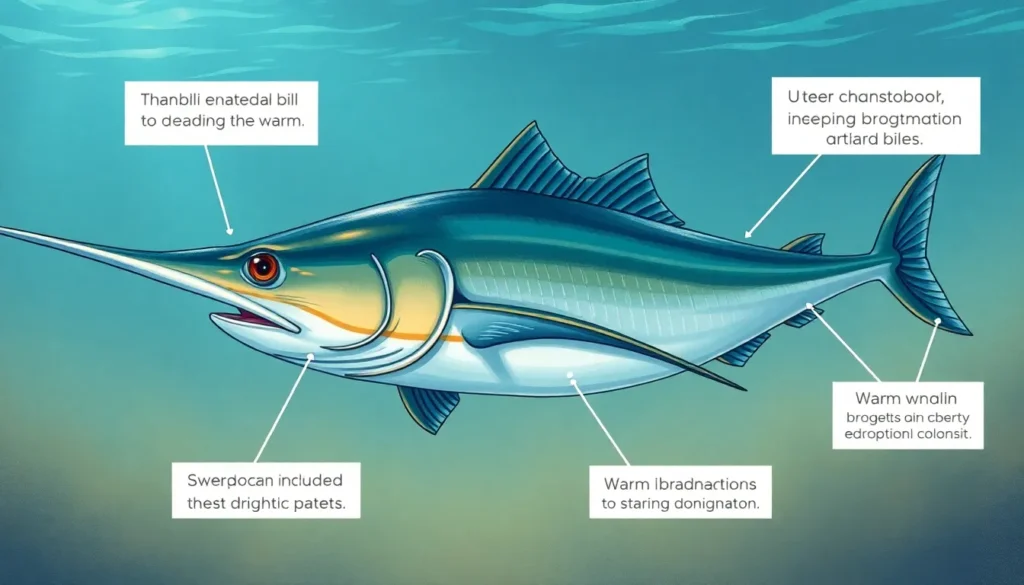
- Unique Brain Temperature Regulation: Swordfish possess a specialized adaptation that allows them to maintain a warmer brain temperature than the surrounding water, enhancing their reaction times and hunting efficiency.
- Heat Exchange System: This adaptation is achieved through a network of blood vessels known as the rete mirabile, which helps retain heat generated by their muscles.
- Enhanced Vision: The warmer brain contributes to superior visual acuity, enabling swordfish to detect prey even in dimly lit waters.
- Predatory Skills: Swordfish are apex predators, often hunting squid and other fish, which they can pursue more effectively due to their warm brain adaptation.
- Size and Weight: Adult swordfish can grow up to 11 feet long and weigh over 1,000 pounds, making them one of the largest fish in the ocean.
- Habitat: They are found in both temperate and tropical oceans, often inhabiting deeper waters during the day and coming to the surface at night.
- Migration Patterns: Swordfish are known for their long migratory patterns, traveling vast distances in search of food and suitable breeding grounds.
- Breeding Behavior: Spawning usually occurs in warmer waters, and swordfish can produce millions of eggs in a single spawning event.
- Physical Defenses: Their streamlined bodies and long, flat bills not only assist in hunting but also provide protection against predators.
- Longevity: Swordfish can live up to 4 years in the wild, though their lifespan can vary based on environmental factors and predation.
- Commercial Fishing: Swordfish are highly sought after in commercial fisheries for their meat, which is considered a delicacy in many cultures.
- Conservation Status: While swordfish populations are currently stable, overfishing and habitat degradation pose potential threats to their future.
- Body Temperature Regulation: Their ability to regulate body temperature is crucial for maintaining optimal muscle function during high-speed pursuits.
- Social Behavior: Swordfish are generally solitary creatures but may be found in small groups during spawning seasons.
- Dietary Habits: Their diet primarily consists of squid, mackerel, and other pelagic fish, showcasing their role in the marine food web.
- Use of Bill: Swordfish use their long bills to slash through schools of fish, stunning them for easier capture.
- Unique Swimming Style: They exhibit a unique swimming style, using their powerful tails to propel themselves swiftly through the water.
- Behavioral Adaptations: Their warm brain allows them to be more active hunters, especially in colder waters where other fish may slow down.
- Cultural Significance: Swordfish have significant cultural importance, often featured in literature, art, and culinary traditions across various societies.
- Research Interests: Scientists study swordfish to understand the evolutionary advantages of their warm brain and its implications for other species.
- Unique Physiology: The swordfish’s physiological adaptations have drawn interest in biomimicry and engineering, inspiring designs in various technologies.
Habitat and Behavior
Swordfish inhabit a range of marine environments, including the Atlantic, Pacific, and Indian Oceans. They prefer warmer waters, often residing in depths of 200 to 1,200 feet during the day and moving towards the surface at night to feed. Their behavior is primarily solitary, although they may congregate during breeding. The warm brain adaptation allows them to thrive in cooler waters, enabling efficient hunting and escape from potential predators.
Why This Animal Matters
Swordfish play a crucial role in marine ecosystems as apex predators, helping maintain the balance of marine populations. Their hunting behaviors influence the abundance and distribution of prey species. Additionally, swordfish have cultural and economic significance, contributing to fisheries and local economies in many coastal communities. Conservation efforts are essential to ensure sustainable populations amid fishing pressures and habitat changes.
Common Misconceptions
Misconception: Swordfish are not capable of feeling pain. Correction: Research indicates that swordfish, like many other fish, possess nociceptors and may experience pain and stress.
Misconception: Swordfish are only found in tropical waters. Correction: While they prefer warmer regions, swordfish can also inhabit temperate waters and migrate seasonally in search of food and breeding grounds.
FAQ
What adaptations do swordfish have for hunting?
Swordfish have a warm brain that enhances their vision and reaction times, making them effective hunters.
How do swordfish regulate their body temperature?
They utilize a specialized blood vessel system called the rete mirabile to retain heat generated by their muscles.
Are swordfish endangered?
While currently stable, swordfish populations are monitored due to overfishing and habitat concerns.




Leave a Reply