
Short Answer
21 Facts About Leopards
- Leopards are highly adaptable predators. They can live in diverse habitats ranging from rainforests to deserts, adapting their diet and behavior accordingly.
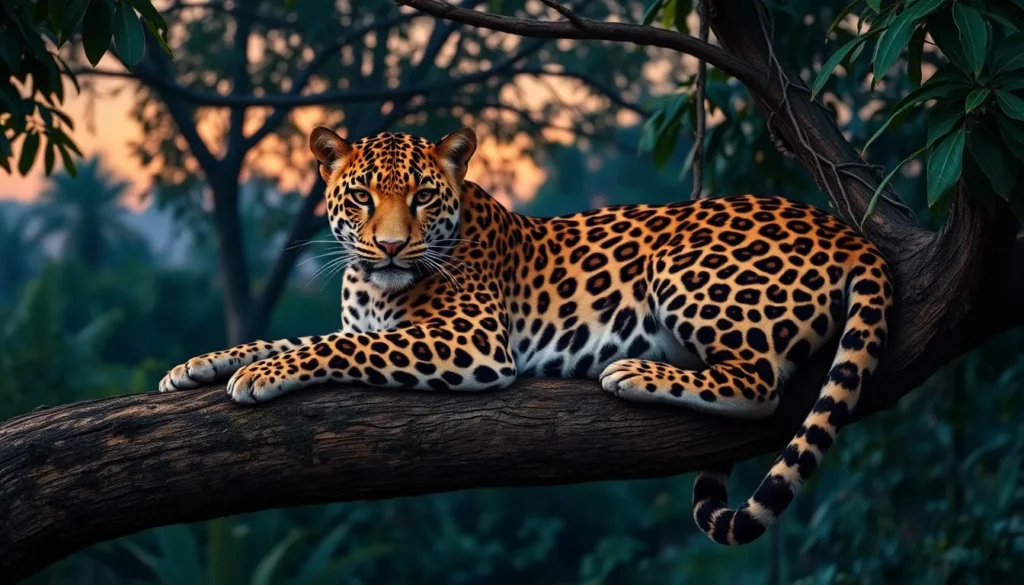
- Their distinctive coat is covered with rosettes. These rosette-shaped spots provide camouflage by breaking up the outline of their body in dappled light.
- Leopards are solitary animals. Unlike lions, they typically live and hunt alone except during mating or when a mother is raising cubs.
- They are excellent climbers. Leopards often drag their prey up into trees to keep it safe from scavengers like hyenas and lions.
- Leopards have a broad diet. They prey on a wide range of animals such as antelope, birds, reptiles, and even insects in some cases.
- They are one of the strongest cats for their size. Leopards can carry prey heavier than themselves up trees due to powerful muscles and strong jaws.
- Leopards are primarily nocturnal. They hunt mostly at night using stealth and acute senses of sight and hearing.
- Their distribution spans across sub-Saharan Africa and parts of Asia. This includes regions from India and China to the Arabian Peninsula and the Russian Far East.
- Leopards communicate through vocalizations and scent marking. They use growls, roars, and scent glands to establish territories and attract mates.
- They have a gestation period of about 90-105 days. Female leopards typically give birth to 2-3 cubs per litter.
- Leopard cubs are born blind and helpless. They remain hidden and protected in dens for the first few weeks of life.
- Leopards exhibit remarkable stealth and patience when hunting. They often stalk prey quietly before a sudden burst of speed to catch it.
- There are several subspecies of leopards. These subspecies vary slightly in size, coat pattern, and habitat preferences.
- Black leopards, or black panthers, are leopards with melanism. This genetic trait causes an excess of dark pigment, making them appear almost entirely black, though their rosettes remain faintly visible.
- Leopards have powerful jaw muscles and sharp canine teeth. These adaptations help them deliver fatal bites to prey.
- They play a key role in controlling herbivore populations. By preying on various animals, leopards help maintain balanced ecosystems.
- Leopards are skilled swimmers. Unlike some other big cats, they can swim across rivers and lakes when necessary.
- They can reach speeds up to 58 km/h (36 mph). This speed allows them to chase down prey over short distances.
- Leopards are listed as vulnerable by the IUCN. Their populations face threats from habitat loss, poaching, and human-wildlife conflict.
- In various cultures, leopards symbolize strength and stealth. They have been featured in folklore, art, and mythology throughout history.
- Leopards are elusive and rarely seen in the wild. Their secretive nature and camouflage make them difficult to observe despite their wide distribution.
Habitat and Behavior
Leopards inhabit a wide range of environments including savannas, forests, mountains, and deserts. They are found primarily in sub-Saharan Africa but also exist in parts of Asia, such as India, Sri Lanka, and Southeast Asia. Adaptability is a hallmark of their survival strategy; they can live close to human settlements as well as in remote wilderness areas.
As solitary animals, leopards maintain territories marked by scent and vocalizations. They are mostly nocturnal hunters, relying on stealth and ambush tactics to catch prey. Their diet is varied, encompassing mammals like antelope and monkeys, birds, reptiles, and occasionally fish. Leopards are also strong climbers, often caching their kills in trees to avoid scavengers.
Reproduction involves a gestation period of around three months, with cubs remaining hidden for several weeks after birth. Cubs learn hunting skills from their mother before becoming independent, usually within two years.
Why This Animal Matters
Leopards play an important ecological role as apex predators. By controlling herbivore populations, they help maintain healthy ecosystems and biodiversity. Their presence can indicate the overall health of an environment.
Conservation of leopards is critical due to habitat fragmentation, poaching for skins and body parts, and retaliatory killings from livestock conflicts. Protecting leopards also preserves the broader ecosystems they inhabit.
Culturally, leopards have inspired myths, symbolism, and traditional practices across Africa and Asia. They often represent power, agility, and cunning in folklore and art.
Common Misconceptions
Misconception: Leopards and black panthers are different species.
Correction: Black panthers are not a separate species; they are leopards (or sometimes jaguars) exhibiting melanism, a genetic trait causing dark coloration.
Misconception: Leopards only live in forests.
Correction: Leopards inhabit a wide variety of habitats including savannas, mountains, and even semi-arid regions, showing remarkable adaptability.
Misconception: Leopards are weak compared to lions and tigers.
Correction: While smaller than lions or tigers, leopards are incredibly strong for their size and can carry prey heavier than themselves up trees.
Misconception: Leopards always hunt large prey.
Correction: Leopards have a diverse diet and will hunt small to medium-sized prey depending on availability.
Misconception: Leopards are aggressive towards humans.
Correction: Leopards generally avoid humans and attacks are rare, often occurring only when provoked or threatened.
FAQ
What is the primary diet of leopards?
Leopards have a broad diet that includes medium-sized ungulates, birds, reptiles, and sometimes insects. They are opportunistic hunters and adapt their diet based on prey availability.
How do leopards differ from other big cats?
Leopards are smaller than lions and tigers but are extremely strong and adept climbers. They are solitary and nocturnal, and their distinctive rosette-patterned coat provides excellent camouflage.
Why are leopards considered vulnerable?
Leopards face threats from habitat loss, poaching for their skin and body parts, and conflict with humans. These challenges have led to declining populations, leading the IUCN to list them as vulnerable.



Leave a Reply