
Short Answer
21 Facts About Organic Livestock Standards
- Organic certification requires adherence to strict welfare standards. Animals must be able to express natural behaviors, which means access to pasture or outdoor areas is often mandatory.
- Use of synthetic chemicals and hormones is prohibited. Organic livestock cannot be treated with synthetic growth hormones or antibiotics except in specific cases with withdrawal periods.
- Organic feed must be 100% organic. Animals must be fed organic feed, free from genetically modified organisms (GMOs) and synthetic pesticides.
- Access to pasture is required for ruminants. Animals such as cattle, sheep, and goats must have access to pasture during the grazing season, promoting natural feeding and mobility.
- Housing conditions emphasize natural living environments. Organic standards encourage ample space, natural light, and proper ventilation to reduce stress and disease.
- Preventative health care is prioritized. Organic farmers focus on disease prevention through good husbandry, nutrition, and hygiene rather than relying on chemical treatments.
- Use of antibiotics is severely limited. Antibiotics are only allowed when absolutely necessary for animal welfare and come with mandatory withdrawal periods before products enter the organic supply.
- Breeds adapted to local conditions are preferred. Organic standards encourage the use of breeds that are naturally resistant to local diseases and suited to the environment.
- Transportation and slaughter practices must minimize stress. Organic certification includes guidelines for humane handling during transport and slaughter.
- Manure management is regulated to protect the environment. Organic livestock operations must manage manure to reduce pollution and promote soil health.
- Certification involves regular inspections and record-keeping. Farms are inspected annually or more frequently to ensure compliance with organic standards.
- Organic livestock standards vary by country but share common principles. While specifics differ, the core principles of animal welfare, organic feed, and environmental sustainability are consistent globally.
- Organic standards prohibit genetically modified organisms (GMOs). This applies to feed, breeding, and any inputs used in the livestock operation.
- Organic livestock operations often integrate crop and animal farming. This integration supports nutrient cycling and reduces external inputs.
- Record-keeping includes detailed information on feed sources, treatments, and living conditions. Transparency is key to maintaining organic integrity.
- Some organic standards require outdoor access year-round. The details depend on climatic conditions and species-specific needs.
- Organic livestock standards support biodiversity. Practices that protect wildlife habitats and promote diverse ecosystems are encouraged.
- Animal identification and traceability are important. This ensures that organic claims can be verified throughout the supply chain.
- Organic standards promote sustainable land use. Grazing management and soil conservation are integral to organic livestock farming.
- Natural breeding methods are emphasized. Artificial insemination and cloning are often restricted or prohibited.
- Consumer trust depends on enforcement of organic livestock standards. Certification bodies and regulatory agencies play a key role in maintaining credibility.
Habitat and Behavior
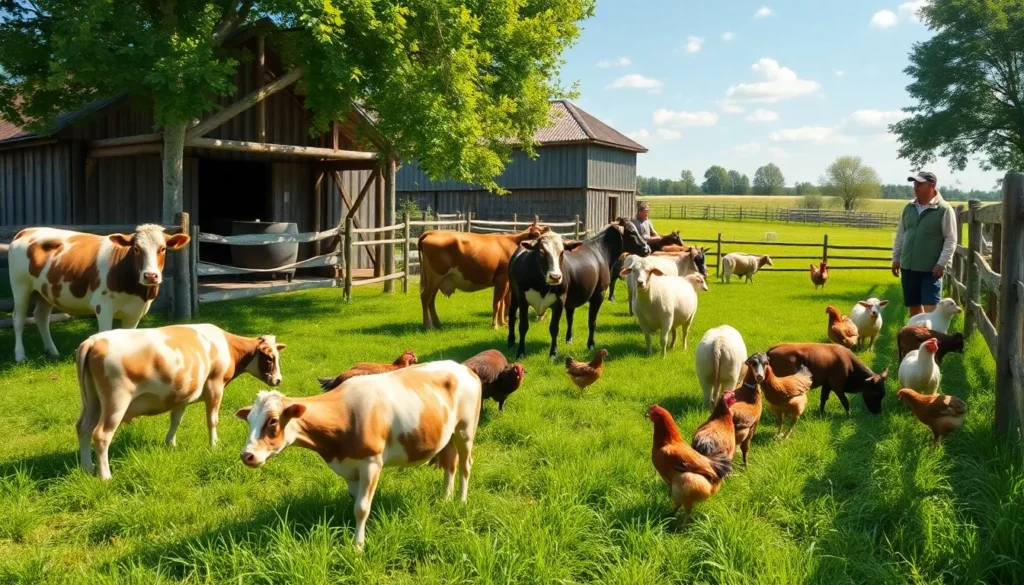
Organic livestock typically live in environments designed to mimic natural conditions as closely as possible within a farming context. This includes access to pasture for grazing ruminants and outdoor areas for other species, allowing animals to engage in natural behaviors such as foraging, rooting, or dust bathing. Housing is generally spacious, well-ventilated, and includes bedding materials that promote comfort. The behavior of organic livestock reflects reduced stress levels compared to conventional systems, as animals have more freedom of movement and better health management focused on prevention rather than treatment. Survival in these systems relies on breeds adapted to local climates and conditions, natural feeding regimes, and careful management to promote animal welfare and environmental sustainability.
Why This Animal Matters
Organic livestock play a significant ecological and cultural role by promoting sustainable agricultural practices that prioritize animal welfare and environmental health. Ecologically, organic livestock systems contribute to soil fertility through managed grazing and manure application, supporting biodiversity and reducing chemical inputs. Culturally, organic livestock farming reflects growing consumer demand for ethical food production and transparency. It also supports rural livelihoods by encouraging diversified farming operations. From a conservation perspective, organic livestock standards help preserve traditional breeds and farming landscapes, contributing to agricultural heritage and resilience against climate change impacts.
Common Misconceptions
Misconception: Organic livestock farming means animals never receive any medical treatment.
Correction: Organic standards allow medical treatment when necessary for animal welfare, but restrict synthetic drugs and require withdrawal periods before products can be marketed as organic.
Misconception: Organic livestock are always free-range or pasture-raised.
Correction: While many organic standards require outdoor access, the specifics vary by species and region, and some animals may have limited outdoor access depending on climate and welfare considerations.
Misconception: Organic livestock standards ensure products are completely free of pesticides or contaminants.
Correction: Organic standards prohibit synthetic pesticides in feed and farming inputs, but contamination from environmental sources can still occur; organic certification strives to minimize but cannot guarantee zero presence.
Misconception: Organic livestock products are always more nutritious than conventional ones.
Correction: Nutritional differences between organic and conventional livestock products are variable and influenced by many factors; organic standards focus primarily on production methods and animal welfare.
Misconception: All organic livestock farms are small-scale or traditional.
Correction: Organic livestock farming includes a range of farm sizes and technologies, from small family farms to larger commercial operations that meet organic certification criteria.
FAQ
What are organic livestock standards?
Organic livestock standards are guidelines and regulations that define how animals must be raised, fed, and cared for to qualify for organic certification. These standards ensure animal welfare, prohibit synthetic chemicals, and promote environmental sustainability.
Are antibiotics allowed in organic livestock farming?
Antibiotics are only permitted in organic livestock farming when necessary to treat illness, but their use is strictly controlled. Animals treated with antibiotics must undergo a withdrawal period before their products can be sold as organic.
Do organic livestock have better living conditions than conventional livestock?
Organic livestock standards generally require better living conditions than conventional farming, including access to outdoor areas, adequate space, and opportunities to express natural behaviors, which help reduce stress and improve welfare.




Leave a Reply