
Short Answer
21 Facts About Sea Wasp
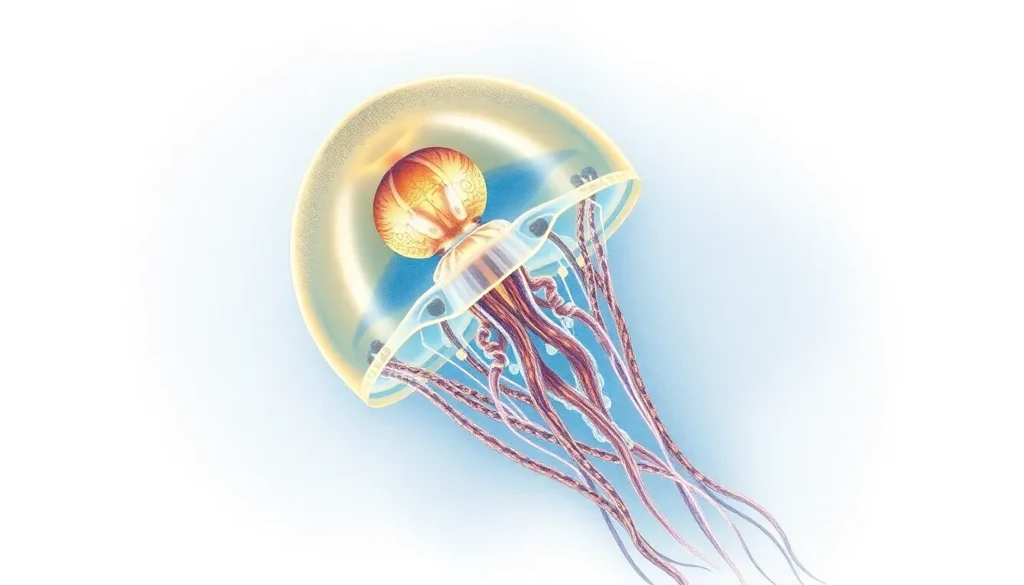
- Highly Venomous: The sea wasp, or box jellyfish (Chironex fleckeri), is considered one of the most venomous marine creatures. Its venom can cause death within minutes.
- Fast-acting Venom: The venom of the sea wasp contains toxins that can attack the heart, nervous system, and skin cells rapidly.
- Size Matters: Adult sea wasps can measure up to 30 centimeters (12 inches) in diameter, with tentacles that can extend up to 3 meters (10 feet).
- Habitat: Sea wasps are typically found in shallow coastal waters of the Indo-Pacific region, particularly around northern Australia.
- Seasonal Presence: Their population peaks during warmer months, especially from October to May, coinciding with seasonal marine activities.
- Human Risk: Reports indicate that sea wasps are responsible for numerous fatalities and serious injuries each year, particularly among swimmers and divers.
- Stinging Mechanism: The sea wasp uses specialized cells called cnidocytes, which contain nematocysts that inject venom upon contact.
- First Aid Challenges: Traditional first aid methods like rinsing with fresh water can exacerbate stings, as it may trigger more nematocysts to fire.
- Antivenom: There is no widely available antivenom for sea wasp stings, making immediate medical attention critical.
- Survival Strategies: The sea wasp relies on its transparency and camouflaged appearance to evade predators in its natural habitat.
- Feeding Habits: Its diet primarily consists of small fish and plankton, captured using its venomous tentacles.
- Reproductive Cycle: Sea wasps reproduce sexually, releasing eggs and sperm into the water, where fertilization occurs.
- Lifecycle Stages: The lifecycle includes a polyp stage, where they attach to substrates, and a medusa stage, which is the recognizable jellyfish form.
- Ecological Role: As both predator and prey, sea wasps play a significant role in marine ecosystems, influencing the populations of their prey species.
- Cultural Significance: In regions where they are prevalent, the sea wasp has influenced local folklore and serves as a cautionary symbol regarding ocean safety.
- Research Interest: The unique properties of sea wasp venom have attracted scientific research for potential medical applications, including pain management.
- Temperature Sensitivity: Sea wasps are sensitive to water temperature changes, which can affect their distribution and behavior.
- Adaptations: Their ability to produce rapid movements allows them to escape threats and capture prey efficiently.
- Invasive Potential: While not currently considered invasive, climate change may expand their range into new areas.
- Public Awareness: Educational campaigns are essential for beachgoers in areas where sea wasps are common to minimize sting incidents.
- Conservation Status: The conservation status of the sea wasp is not well-documented, but marine habitat degradation poses risks to their populations.
Habitat and Behavior
The sea wasp inhabits shallow coastal waters, often near mangroves and coral reefs. They are primarily found in the warm waters of the Indo-Pacific region. Sea wasps exhibit a unique behavior of pulsating their bell-shaped body to propel themselves through the water, allowing them to move quickly in search of prey. Their tentacles trail behind them, ready to capture any small fish or plankton that come into contact.
Why This Animal Matters
Ecologically, sea wasps serve as both predators and prey within their marine environments, contributing to the balance of aquatic ecosystems. Culturally, they are significant in local narratives, often serving as a warning about the dangers of the ocean. Additionally, their venom has potential medical applications, making them a subject of scientific interest in the field of pharmacology.
Common Misconceptions
Misconception: Sea wasps only sting when provoked. Correction: Sea wasps can sting simply through contact, even without aggressive interaction.
Misconception: All jellyfish stings are the same. Correction: The venom of the sea wasp is significantly more potent and lethal than that of many other jellyfish species.
FAQ
What should I do if stung by a sea wasp?
Seek immediate medical attention, and avoid rinsing with fresh water.
Are sea wasps found in all oceans?
No, they are primarily located in the Indo-Pacific region.
Can sea wasp venom be used for medical purposes?
Research is ongoing into potential medical applications of their venom.


Leave a Reply