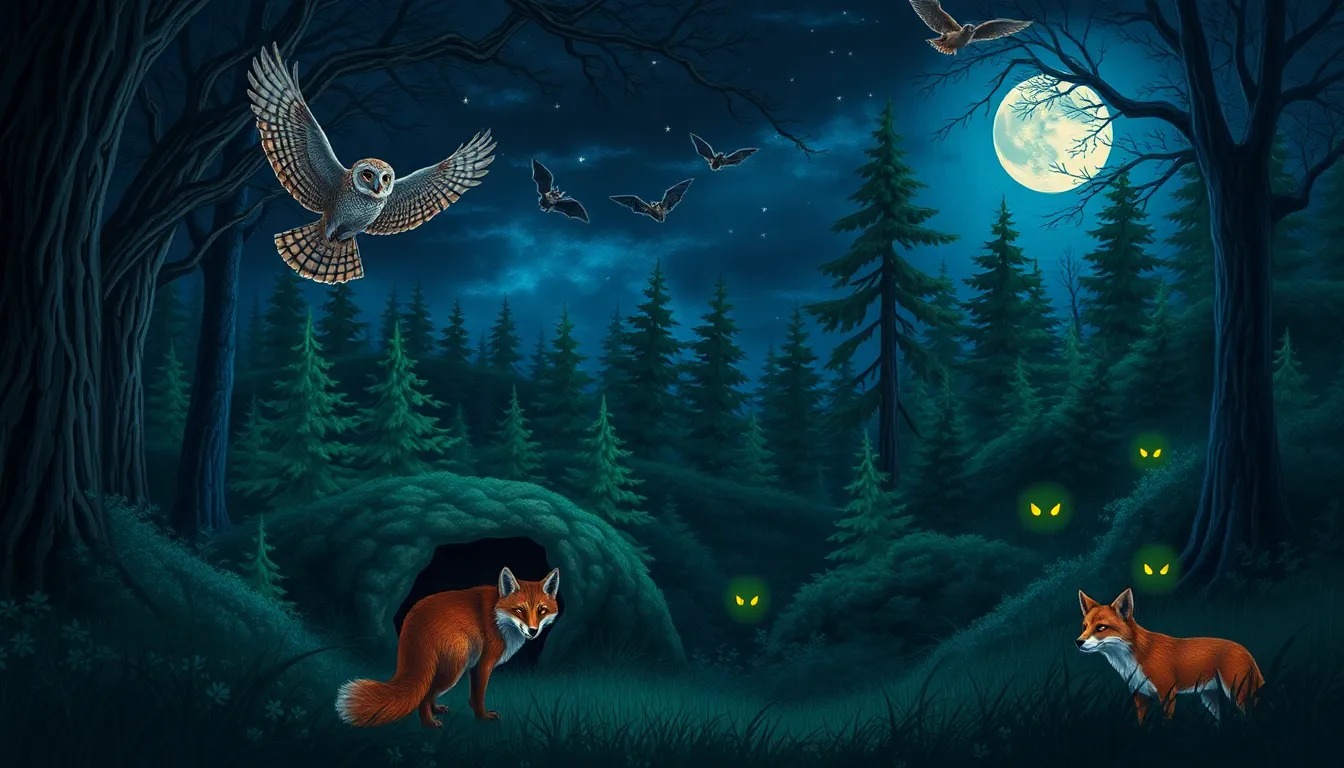
21 Interesting Facts About Nocturnal Animals
Nocturnal animals exhibit unique adaptations that allow them to thrive in the dark. This article explores 21 intriguing facts about their behavior, physiology, and ecological significance.

Nocturnal animals exhibit unique adaptations that allow them to thrive in the dark. This article explores 21 intriguing facts about their behavior, physiology, and ecological significance.
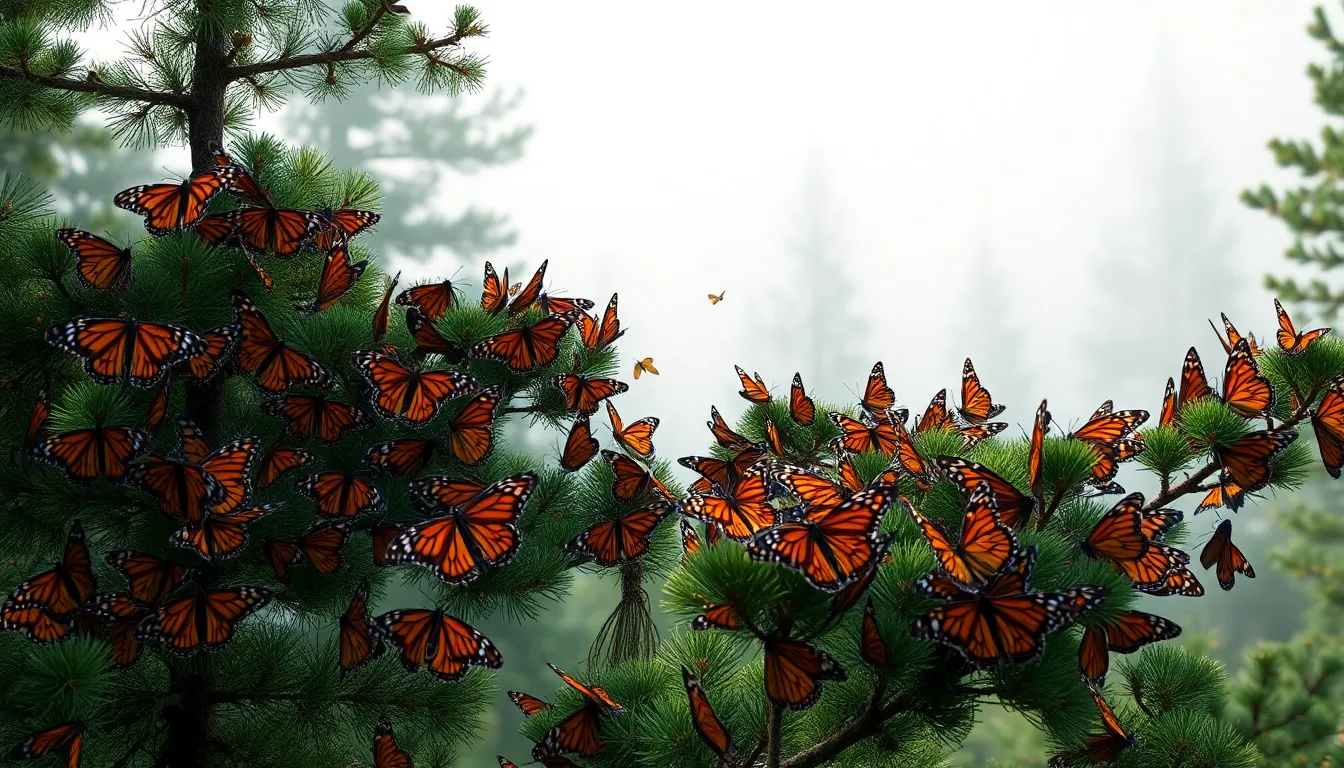
Monarch butterfly migration is a remarkable natural phenomenon where millions of butterflies travel thousands of miles between North America and central Mexico. This migration is unique for its multi-generational cycle and precise navigation.
This article explores 21 fascinating facts about the oldest domestic animals, specifically dogs and cats, highlighting their longevity, behavior, and importance. It also addresses common misconceptions about their aging and care.
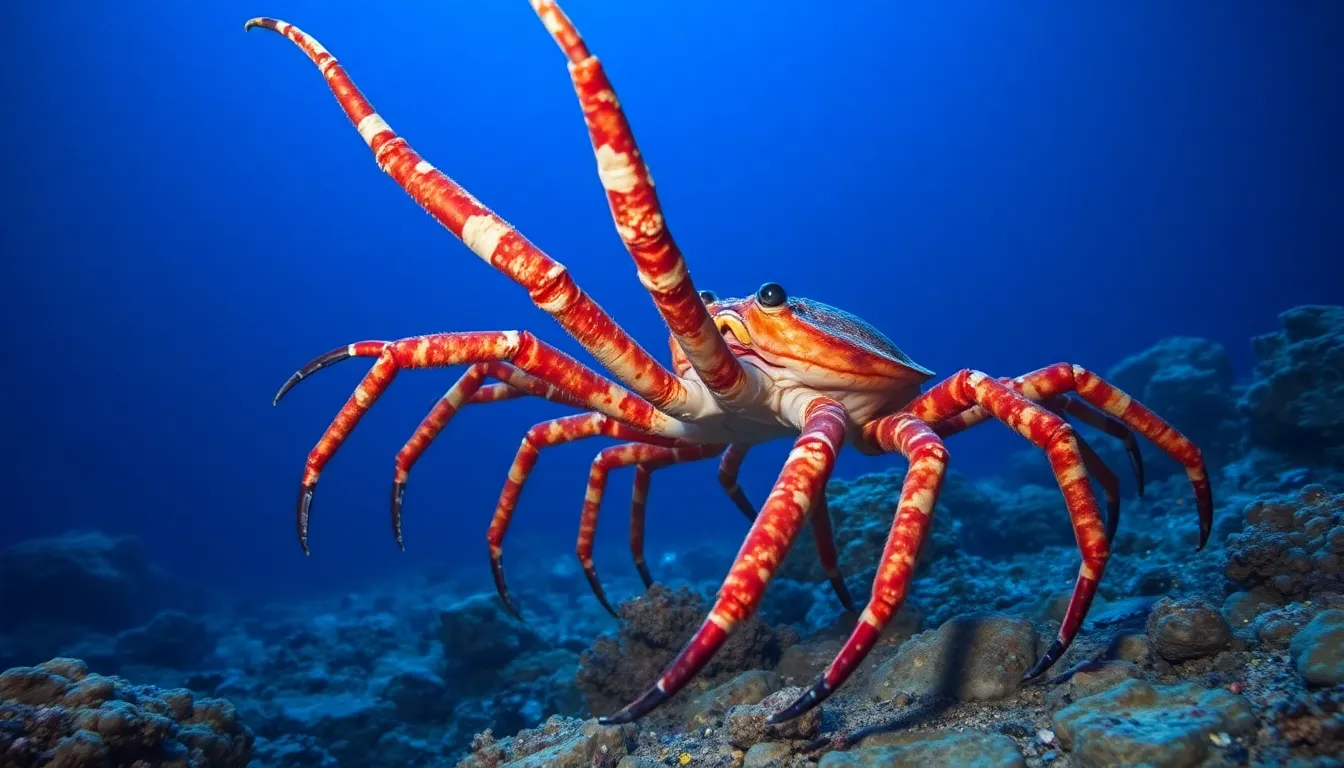
Japanese spider crabs (Macrocheira kaempferi) are the largest known species of crab, notable for their impressive leg span and deep-sea habitat. Native to the waters around Japan, these crustaceans possess unique biological and ecological traits that distinguish them from other marine species.
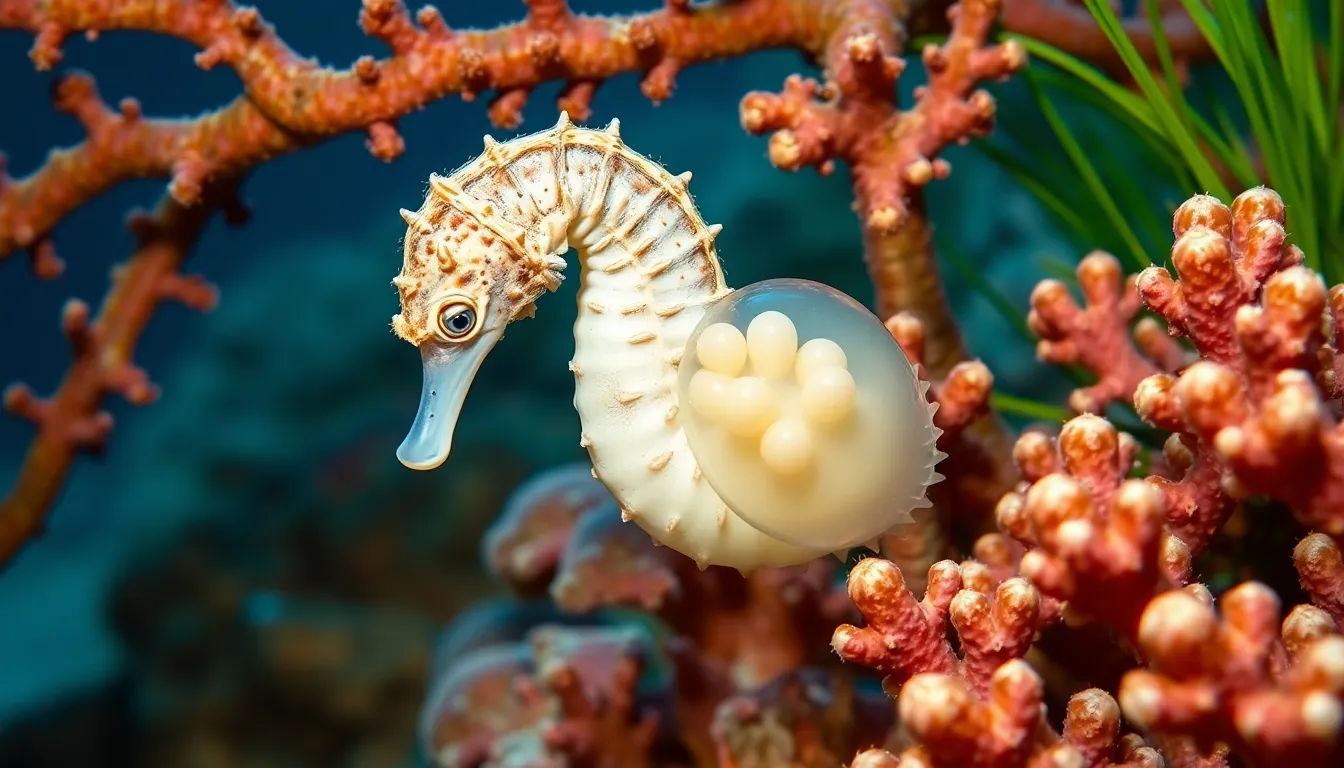
Seahorses exhibit a unique reproductive phenomenon where males become pregnant and carry the offspring. This article explores 21 intriguing facts about this rare biological adaptation, including its mechanisms, ecological significance, and common misconceptions.
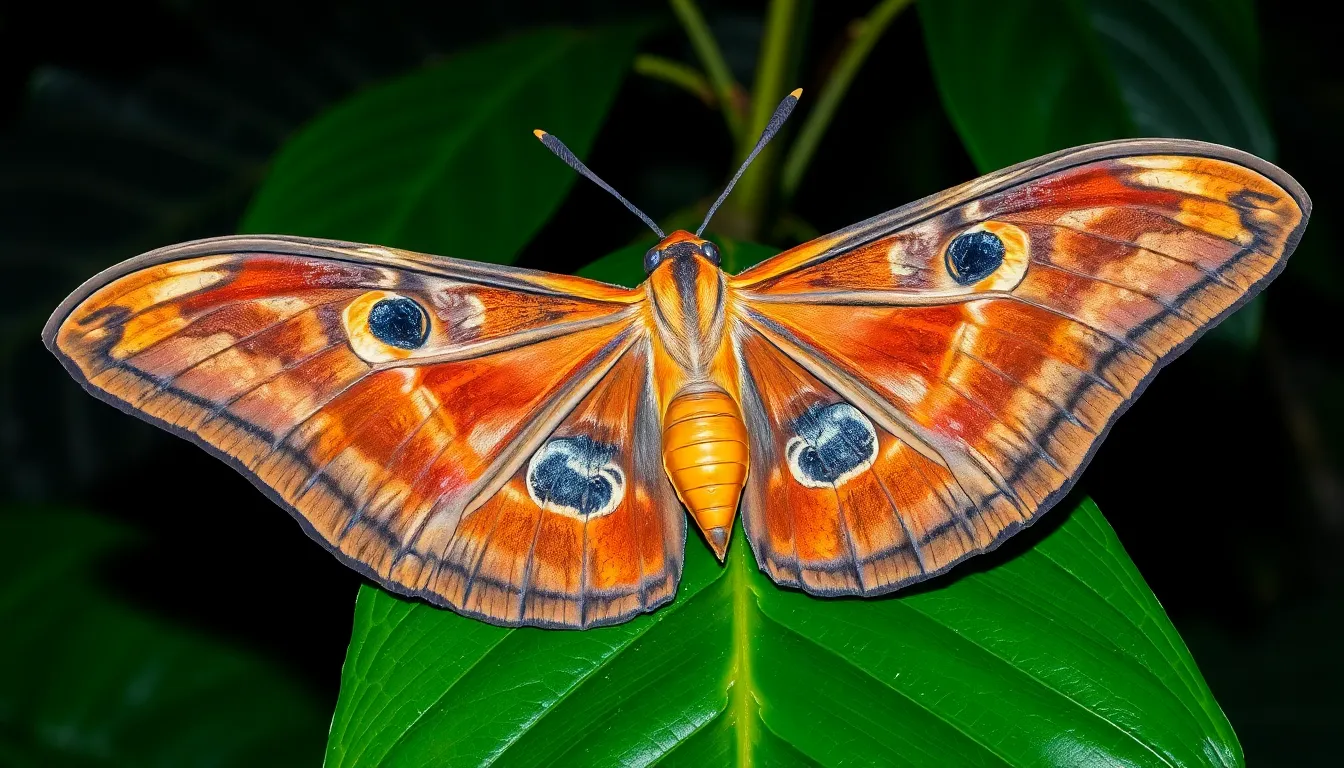
Atlas moths are among the largest moth species in the world, known for their impressive wingspans and distinctive wing patterns. This article explores 21 fascinating facts about their biology, habitat, and cultural significance.