
Short Answer
21 Facts About Aposematism in Frogs
- Aposematism is a defensive strategy. Many frog species use bright colors to warn predators that they are toxic or distasteful, reducing the likelihood of being eaten.
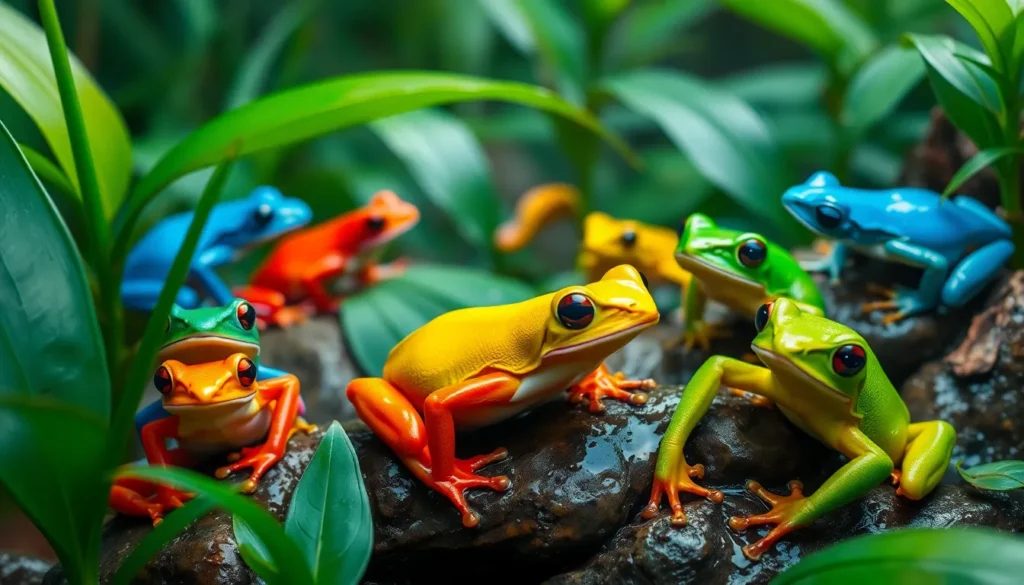
- Bright colors signal toxicity. Frogs like poison dart frogs display vivid colors such as red, yellow, blue, and green to indicate their chemical defenses.
- Not all brightly colored frogs are toxic. Some non-toxic species mimic warning colors to deceive predators, a phenomenon called Batesian mimicry.
- Aposematism evolves through natural selection. Frogs that effectively warn predators are more likely to survive and reproduce, passing on their coloration traits.
- Color patterns vary widely. Different species have unique combinations of colors and patterns that serve as aposematic signals.
- Some frogs combine aposematism with other defenses. For example, some secrete toxins and also exhibit aggressive behaviors to deter threats.
- Warning colors can be conspicuous in both day and night. While many aposematic frogs are diurnal, some nocturnal species have bright colors visible under moonlight or other low light.
- Juvenile frogs may develop warning colors as they mature. Some species display cryptic colors initially and develop aposematism later in life.
- Bright colors may also serve in intraspecies communication. Warning colors can help frogs identify conspecifics and avoid unnecessary conflicts.
- Some frogs store toxins from their diet. Poison dart frogs, for example, acquire alkaloids from consuming certain insects and plants.
- Aposematism is costly to produce. Creating and maintaining bright pigments and toxins requires energy and resources.
- Predators can learn to avoid aposematic frogs. Birds and snakes often associate bright colors with unpleasant taste or toxicity after negative experiences.
- There is geographic variation in aposematic coloration. Populations of the same species may differ in color intensity or pattern based on local predator pressures.
- Some frogs can display sudden flashes of color. Certain species reveal bright colors only when threatened, enhancing the surprise effect on predators.
- Aposematism can influence mating success. In some species, brighter colors attract mates, linking survival and reproduction.
- Environmental factors impact aposematic traits. Habitat light levels, predation intensity, and availability of toxins influence the evolution of warning colors.
- Frogs with aposematism often have specialized glands. These produce and store toxic compounds used as chemical defenses.
- Aposematism is part of complex ecological interactions. It affects predator-prey dynamics and can shape community biodiversity.
- Climate change may threaten aposematic frogs. Changes in habitat and food sources can reduce toxin availability and affect coloration.
- Conservation efforts consider aposematic frogs important. Protecting their habitats helps preserve unique chemical and visual biodiversity.
- Research on aposematism aids understanding of evolution. Studying these frogs provides insight into how warning signals develop and function in nature.
Habitat and Behavior
Aposematic frogs are primarily found in tropical and subtropical regions, including Central and South America, Africa, and parts of Asia. They typically inhabit rainforests, wetlands, and other moist environments where their bright colors stand out against green foliage or dark substrates. These frogs are often diurnal, actively displaying their warning colors to deter visually oriented predators such as birds and reptiles. Their behaviors include slow, deliberate movements and sometimes posturing to maximize visibility of their aposematic signals. Many species rely on specialized diets to accumulate toxins, feeding on ants, mites, or other arthropods. Breeding behaviors vary, but many lay eggs near water sources, where tadpoles develop under protective conditions. By combining chemical defenses with visual warnings, aposematic frogs effectively reduce predation risk and increase survival chances in their ecological niches.
Why This Animal Matters
Aposematic frogs play a vital role in their ecosystems by influencing predator-prey relationships and contributing to biodiversity. Their warning coloration serves as a natural control on predator populations by discouraging predation attempts, which in turn supports ecological balance. These frogs are also culturally significant in some indigenous societies, where they are used in traditional practices or considered symbols of natural wealth. Scientifically, aposematic frogs provide valuable models for studying evolutionary biology, chemical ecology, and visual communication. Conservation of these species is important, as they are indicators of environmental health and biodiversity. Protecting aposematic frogs helps safeguard tropical habitats and the intricate biological interactions they maintain.
Common Misconceptions
Misconception: All brightly colored frogs are poisonous.
Correction: While many brightly colored frogs are toxic, some harmless species mimic these warning colors to avoid predation. Color alone does not guarantee toxicity.
Misconception: Aposematism only works on birds.
Correction: Although birds are common predators deterred by warning colors, aposematism can be effective against a variety of predators including reptiles, mammals, and invertebrates.
FAQ
What is aposematism in frogs?
Aposematism in frogs refers to the use of bright and conspicuous colors as a warning signal to potential predators that the frog is toxic or unpalatable.
Do all brightly colored frogs produce toxins?
No, not all brightly colored frogs are toxic. Some non-toxic species mimic the warning colors of toxic frogs to avoid predation, a strategy known as Batesian mimicry.
How do aposematic frogs acquire their toxins?
Many aposematic frogs obtain toxins through their diet, consuming specific insects or arthropods that contain poisonous compounds, which they then store in their skin.





Leave a Reply