
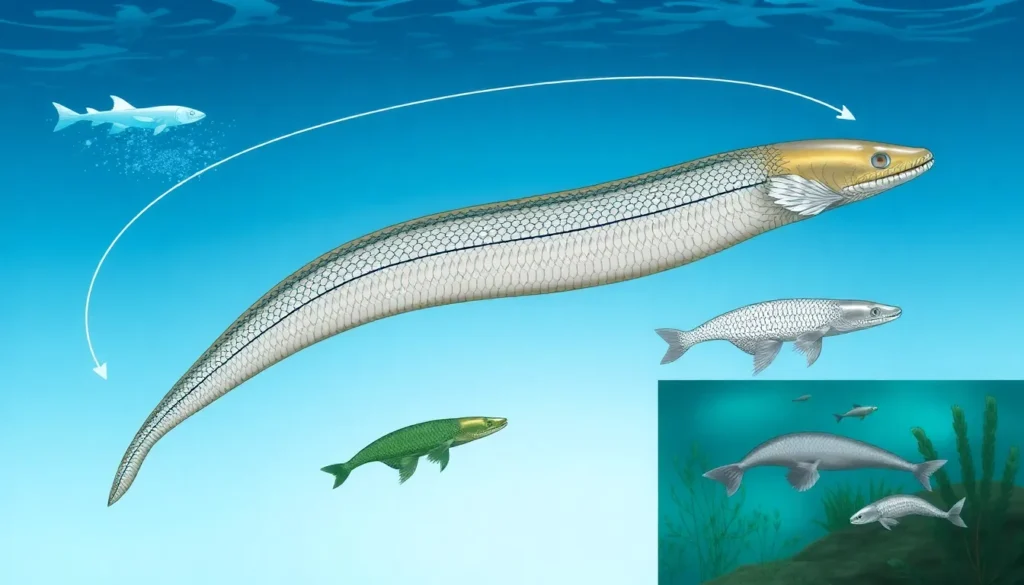
Short Answer
21 Facts About Eel Life Cycle
- Spawning Grounds: Eels spawn in the Sargasso Sea, a region in the North Atlantic Ocean, which is far from their typical habitats.
- Egg Stage: The eel life cycle begins with the release of eggs, which can number in the millions.
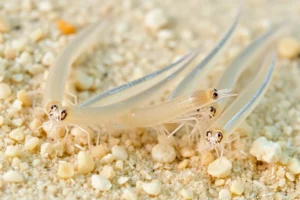
- Leptocephalus Stage: Leptocephali are transparent, leaf-shaped larvae that can be mistaken for seaweed.
- Glass Eel Stage: After about six months, leptocephali metamorphose into glass eels, which start to swim toward freshwater rivers or estuaries.
- Elver Stage: Once they enter freshwater, glass eels become elvers, gaining color and increasing in size.
- Yellow Eel Stage: Elvers mature into yellow eels, which can live in freshwater for up to 20 years.
- Mature Eel Stage: Yellow eels are sexually mature and will undergo physiological changes as they prepare for their breeding migration.
- Migration: Eels are known for their remarkable migration, traveling thousands of kilometers back to the Sargasso Sea.
- Reproductive Mystery: Despite extensive research, the exact mechanisms of eel reproduction in the Sargasso Sea remain largely unknown.
- Declining Populations: Many eel species face significant population declines due to overfishing, habitat loss, and climate change.
- Predators: Eels have a variety of natural predators, including larger fish, birds, and mammals.
- Longevity: Some eels can live for over 80 years, making them one of the longer-lived fish species.
- Physiological Changes: As eels transition from freshwater to saltwater, they undergo significant physiological changes to adapt to the new environment.
- Variation in Species: While the European eel (Anguilla anguilla) and the American eel (Anguilla rostrata) share similar life cycles, there are key differences in their habitats and migratory patterns.
- Cultural Significance: Eels have been a part of human culture for centuries, often featured in folklore and cuisine.
- Research Challenges: Studying eels presents challenges due to their elusive nature and the vast distances they travel.
- Environmental Indicators: Eels are considered indicators of environmental health; changes in their populations can reflect broader ecological issues.
- Regeneration: Eels possess the ability to regenerate damaged tissues, which is a remarkable feature among fish.
- Importance of Wetlands: Wetlands are crucial habitats for eels, serving as nurseries for juvenile eels to grow and thrive.
- Climate Change Impact: Changing ocean temperatures and currents due to climate change could affect eel migration patterns and spawning success.
This spawning behavior adds to the mystery of eels, as they migrate thousands of kilometers from freshwater and coastal environments to reach these breeding grounds.
These eggs hatch into larval eels known as leptocephali, which drift on ocean currents for several months.
During this stage, they feed on microscopic organisms and continue to develop as they journey towards coastal waters.

Glass eels are still transparent but begin to develop pigmentation, which is a sign of their transition to a more familiar eel form.
This stage typically occurs in spring, and elvers migrate upstream into rivers and lakes.
During this time, they grow in size and accumulate fat reserves in preparation for their eventual migration back to the ocean.
They develop larger eyes and a more streamlined body shape to adapt to life in the ocean.
This journey can take several months and involves navigating through complex river systems and ocean currents.
Scientists have not yet observed eels spawning in the wild, adding to the allure of their life cycle.
Conservation efforts are underway to protect these enigmatic creatures.
These threats vary at different life stages, impacting their survival rates.
This longevity allows them to spend many years in freshwater before embarking on their breeding journey.
These changes involve adjustments in osmoregulation, enabling them to thrive in different salinities.
This variability highlights the adaptability of eels to different environments.
In some cultures, they are considered a delicacy and are harvested for consumption.
This has led to gaps in knowledge about their biology and ecology.
Monitoring eel populations can provide insights into the health of aquatic ecosystems.
This regenerative capability may play a role in their survival and adaptability in various environments.
Protecting these environments is vital for their life cycle.
Ongoing research is needed to understand these potential impacts.
Habitat and Behavior
Eels inhabit various environments, including freshwater rivers, lakes, and coastal marine areas. They are known for their elusive behavior, often hiding in crevices or burrowing into sediment during the day. Eels primarily feed on small fish, crustaceans, and invertebrates, using their keen senses to locate prey. Their nocturnal activity helps them avoid predators while hunting.
Why This Animal Matters
Eels play a significant ecological role as both predators and prey in aquatic ecosystems. They contribute to the balance of food webs by controlling populations of smaller fish and invertebrates. Culturally, eels are important in many societies, featured in traditional dishes and folklore. Conservation efforts are critical, as declining eel populations can indicate broader environmental issues, necessitating action to protect their habitats and ensure their survival.
Common Misconceptions
Misconception: Eels are a type of fish that can live in both freshwater and saltwater their entire lives. Correction: While eels are indeed fish that can inhabit both environments, they typically migrate between them during different life stages, particularly for breeding.
Misconception: All eels are the same species. Correction: There are multiple species of eels, each with unique life cycles, habitats, and ecological roles, notably the European eel and American eel.
FAQ
How long do eels live?
Eels can live for over 80 years, depending on the species and environmental conditions.
Where do eels spawn?
Eels spawn in the Sargasso Sea, located in the North Atlantic Ocean.
What are the main threats to eel populations?
Eel populations face threats from overfishing, habitat loss, and climate change.
Leave a Reply