21 Interesting Facts About Thresher Sharks
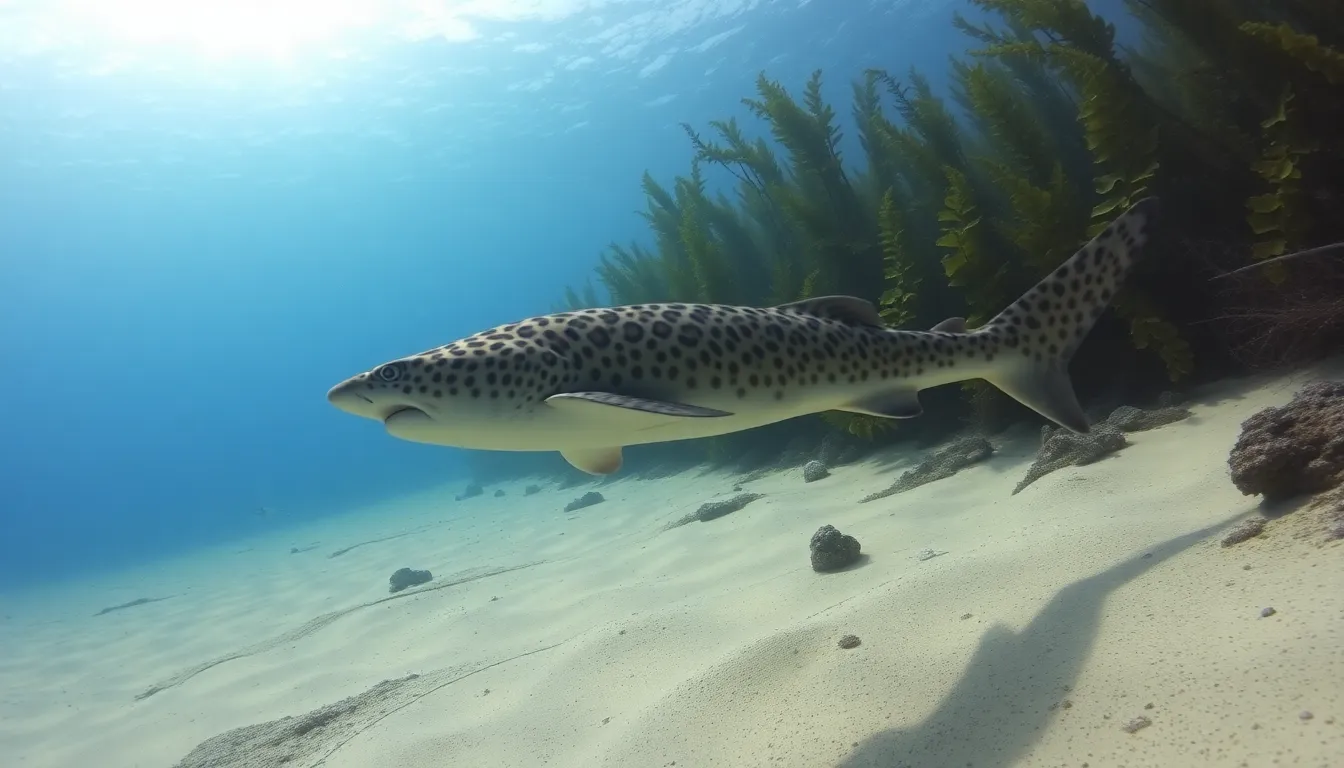
Thresher sharks are distinctive predators known for their unusually long tail fins. This article explores 21 interesting facts about their biology, behavior, and ecological significance.
Coprophagy, the consumption of feces, is a behavior observed in various animal species. This article explores 21 intriguing facts about why and how animals engage in coprophagy, its role in their survival, and common misconceptions surrounding the practice.
The inland taipan is a highly venomous snake native to Australia, known for having the most toxic venom of any snake species. This article explores 21 intriguing facts about its biology, behavior, habitat, and significance.
Sustainable wildlife tourism is an approach that promotes responsible travel to natural areas, aiming to conserve wildlife and support local communities. This article explores 21 key facts about sustainable wildlife tourism, its impact, challenges, and misconceptions.
Boa constrictors are large, non-venomous snakes found in the Americas, known for their unique method of subduing prey by constriction. This article explores 21 fascinating facts about their biology, behavior, habitat, and cultural significance.
Pipefish are elongated, slender fish closely related to seahorses, known for their unique reproductive behaviors and specialized body structures. They inhabit coastal and reef environments worldwide and contribute significantly to marine ecosystems.