
Short Answer
21 Facts About Oxpeckers and Mammals
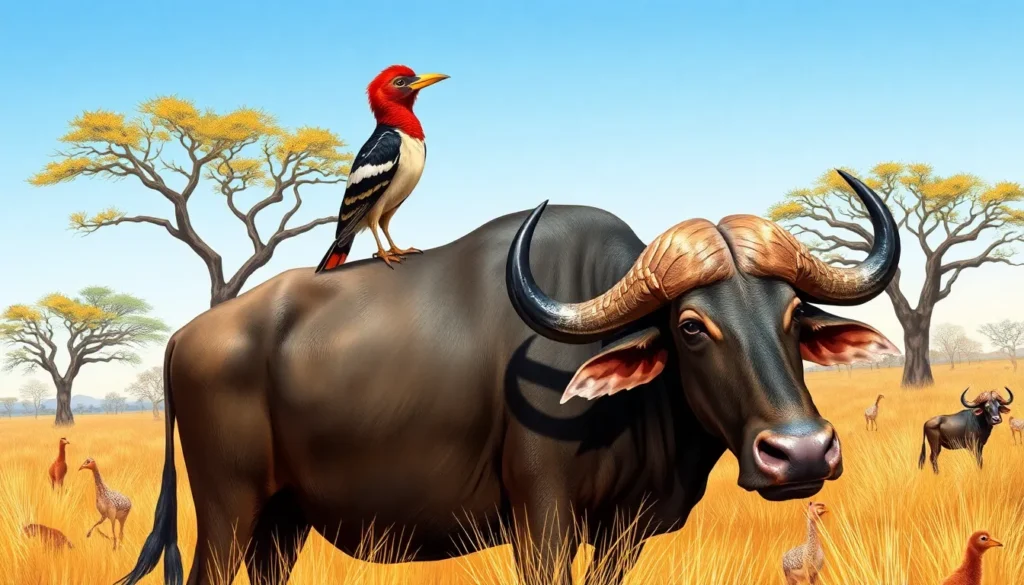
- Oxpeckers feed on ectoparasites of mammals. Oxpeckers primarily consume ticks, fleas, and other parasites found on the skin of large mammals, helping reduce parasite loads.
- There are two species of oxpeckers. The red-billed oxpecker (Buphagus erythrorhynchus) and the yellow-billed oxpecker (Buphagus africanus) are the two known species, both native to sub-Saharan Africa.
- Oxpeckers are often found on large herbivores. Their preferred hosts include buffaloes, giraffes, rhinoceroses, zebras, and various antelope species.
- They use mammals as perches and feeding grounds. Oxpeckers spend much of their time perched on mammals, feeding and resting.
- Oxpeckers have a mutualistic yet sometimes parasitic relationship with mammals. While they eat ticks, they may also open wounds or feed on blood, which can harm the host.
- Oxpeckers have specialized bills. Their bills are adapted for removing ticks and larvae from mammal hides.
- They alert mammals to danger. Oxpeckers may signal approaching predators by making alarm calls, benefiting their hosts.
- Oxpeckers can consume thousands of ticks in a day. This high rate of tick removal can be significant for host health.
- Mammals tolerate oxpeckers despite occasional harm. Many large mammals allow oxpeckers to feed on them due to the overall benefits outweighing the negatives.
- Oxpeckers also consume blood and dead skin. They sometimes peck at wounds to drink blood, which is not beneficial to hosts.
- Both oxpecker species are non-migratory. They remain in their habitats year-round.
- Oxpeckers have a loud, chattering call. These vocalizations help maintain contact with other oxpeckers and alert hosts.
- Oxpeckers are often seen in pairs or small groups. They are social birds that forage together.
- Oxpeckers’ feet are adapted for clinging. Their strong toes and claws enable them to grasp tightly onto animal hides.
- Oxpeckers may prefer specific host species. They show preferences for certain mammals, often based on parasite abundance.
- Oxpeckers play a role in controlling tick populations. By feeding on ticks, they help limit parasite spread among mammals.
- Oxpecker presence varies with host availability. Their populations fluctuate depending on the density of suitable mammal hosts.
- Oxpeckers have been observed grooming each other. Social grooming helps maintain their plumage and social bonds.
- Oxpeckers are part of the bushveld ecosystem. They contribute to the biodiversity and biological interactions typical of African savannas.
- They have a lifespan of up to 10 years in the wild. Their longevity allows for long-term relationships with host mammals.
- Oxpeckers do not migrate but disperse locally. Young birds may move to find new hosts within their regional range.
Habitat and Behavior
Oxpeckers inhabit open woodlands, savannas, and grasslands in sub-Saharan Africa, where large mammals are abundant. They behave as obligate parasites and mutualists, depending on the context, by clinging to mammals and feeding on their external parasites. Oxpeckers use their specialized bills to pick ticks and larvae from the thick hides of hosts, often moving systematically over the animal’s body. They are active during daylight hours and tend to stay close to their preferred hosts, especially large herbivores. Oxpeckers communicate vocally with alarm calls and social chatter, which helps maintain pair bonds and warn hosts of approaching threats. They nest in tree cavities or abandoned woodpecker holes and raise their young by feeding them regurgitated food. Their behavior supports a complex ecological interaction between avian and mammalian species.
Why This Animal Matters
Oxpeckers play a significant ecological role by controlling parasite populations on large mammals, which can improve host health and reduce disease transmission. Their mutualistic relationship with mammals exemplifies coevolution and symbiosis in ecosystems. By alerting hosts to predators, they enhance mammal survival rates. Furthermore, oxpeckers contribute to the biodiversity and functional complexity of African savanna ecosystems. They are culturally recognized in some local communities as symbols of natural balance and coexistence. Conservation of oxpeckers and their habitats supports the health of large mammal populations and overall ecosystem stability.
Common Misconceptions
Misconception: Oxpeckers only help mammals by removing ticks.
Correction: While oxpeckers consume many parasites, they sometimes feed on blood from wounds, which can harm the host, making their relationship both mutualistic and parasitic.
Misconception: Oxpeckers are harmless birds that do not affect mammal behavior.
Correction: Mammals may react to oxpeckers, sometimes trying to shake them off if irritation occurs, indicating a more complex interaction than simple tolerance.
Misconception: Oxpeckers migrate seasonally with their hosts.
Correction: Oxpeckers are generally non-migratory and tend to remain within their established territories, although young birds may disperse locally.
FAQ
What do oxpeckers eat?
Oxpeckers mainly feed on ticks, fleas, and other ectoparasites found on large mammals. Occasionally, they also consume blood from wounds.
Are oxpeckers beneficial to mammals?
Oxpeckers help reduce parasite loads by consuming ticks but can also cause harm by pecking at wounds. Their relationship is complex and can be both mutualistic and parasitic.
Where do oxpeckers live?
Oxpeckers are native to sub-Saharan Africa and inhabit savannas, woodlands, and grasslands where large mammals are present.

Leave a Reply