
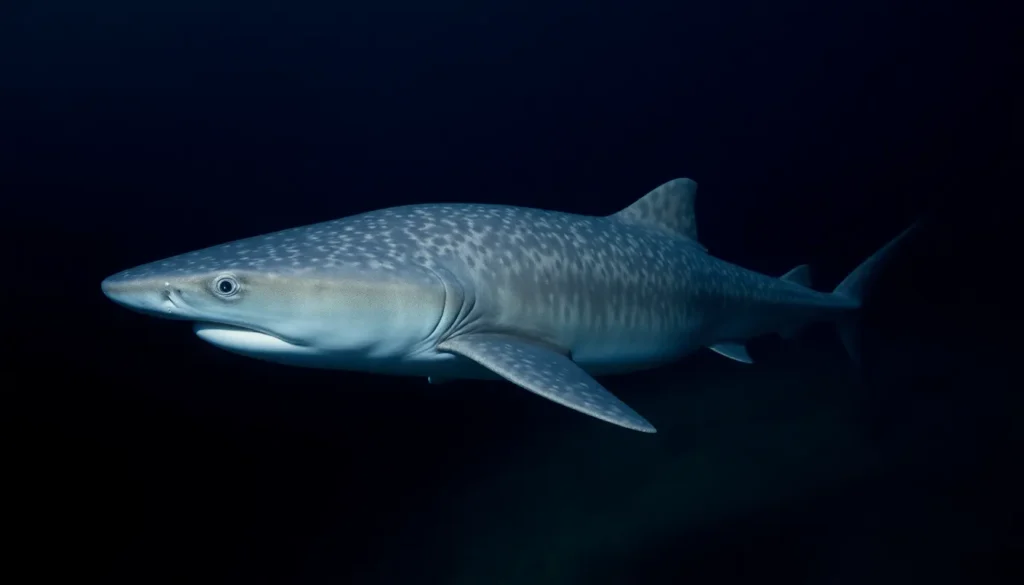
Short Answer
21 Facts About Greenland Shark Longevity
- Longevity: The Greenland shark is known for its remarkable lifespan, with estimates suggesting they can live for over 400 years, making it one of the longest-living vertebrates.
- Slow Growth Rate: Greenland sharks grow at an exceptionally slow rate of about 1 cm per year.
- Cold Water Adaptation: These sharks inhabit cold Arctic and sub-Arctic waters, which are conducive to their slow metabolism.
- Reproductive Characteristics: Greenland sharks are believed to reach sexual maturity at approximately 150 years of age.
- Diet: Their diet primarily consists of fish, squid, and marine mammals, including seals.
- Predation: Adult Greenland sharks have few natural predators due to their size and environment.
- Vision: The Greenland shark has relatively poor eyesight, which is compensated by its keen sense of smell.
- Movement Patterns: Greenland sharks are generally slow swimmers, often moving at depths of 200 to 600 meters.
- Habitat Range: Their range extends across the North Atlantic, including Greenland, Canada, and parts of Iceland.
- Coloration: The skin of the Greenland shark is often a mottled gray or brown, helping it camouflage in the ocean depths.
- Fat Content: Greenland sharks are known for their high fat content, which provides energy reserves essential for survival in cold waters.
- Parasites: They are often afflicted by a parasitic copepod, *Ommatokoita elongata*, which attaches to their eyes.
- Conservation Status: The conservation status of the Greenland shark is currently listed as Near Threatened by the IUCN.
- Historical Significance: Greenland sharks have been part of Arctic folklore and are sometimes referred to as “sleeper sharks” due to their sluggish behavior.
- Research Interest: Their longevity has sparked interest in aging research, particularly in understanding the mechanisms of aging.
- Temperature Tolerance: Greenland sharks can tolerate extremely cold temperatures, with some individuals found at temperatures below -1°C.
- Social Behavior: Little is known about their social behavior, but they are generally solitary creatures.
- Human Interaction: Historically, Greenland sharks were hunted for their meat, which requires proper processing to be edible due to high urea content.
- Invasive Species Impact: The changing climate may introduce invasive species into their habitats, potentially affecting their food sources.
- Ecological Role: As apex predators, Greenland sharks play a vital role in maintaining the health of marine ecosystems.
- Future Studies: Ongoing research aims to better understand their biology, ecology, and longevity.
This incredible longevity has been verified through radiocarbon dating of eye lenses, which allows researchers to estimate their age accurately.
Such a slow growth rate contributes to their long lifespan, as they take many years to reach maturity, estimated to be around 150 years.
The cold environment helps sustain their long lives, as metabolic rates are generally lower in colder temperatures.
This delayed reproduction is a significant factor in their population dynamics and longevity.
As opportunistic feeders, they can also consume carrion, which is abundant in their frigid habitats.
However, juveniles are susceptible to larger shark species and other marine predators.
This adaptation allows them to locate prey efficiently in dark, deep waters.
They may dive deeper, reaching depths of over 2,000 meters in search of food.
This wide distribution highlights their adaptability to various cold-water environments.
This coloration assists in hunting and evading potential threats.
This fat also contributes to their buoyancy, allowing them to navigate their habitat effectively.
Despite this parasitic relationship, it does not significantly affect their longevity.
Threats include climate change, overfishing, and habitat degradation, which could impact their populations.
This cultural significance underlines their role in local ecosystems and human history.
Studies on their biology may contribute insights into extending lifespans in other species.
This cold tolerance is crucial for their survival in harsh Arctic environments.
However, they may congregate in areas with abundant food sources.
Modern conservation efforts aim to protect these unique animals from overexploitation.
Monitoring these changes is essential for understanding future ecological dynamics.
By regulating prey populations, they contribute to ecological balance.
Such studies may lead to new discoveries about aging processes in other species as well.
Habitat and Behavior
The Greenland shark predominantly inhabits the cold waters of the Arctic and sub-Arctic regions, including areas around Greenland, Canada, and Iceland. They are often found at depths ranging from 200 to 600 meters, but can dive much deeper. These sharks are known to be slow-moving and tend to prefer the dark, cold ocean depths where they can hunt for fish and marine mammals. Their lifestyle is largely solitary, although they may occasionally be found in groups when food is plentiful.
Why This Animal Matters
Greenland sharks play a crucial ecological role as apex predators in their habitat. By regulating the populations of their prey, they help maintain the balance of marine ecosystems. Their longevity and unique adaptations also make them a subject of interest in scientific research, particularly regarding aging and the effects of climate change on marine life. Additionally, they hold cultural significance in Arctic communities, contributing to local folklore and traditions.
Common Misconceptions
Misconception: Greenland sharks are aggressive and pose a danger to humans.
Correction: Greenland sharks are generally not aggressive and pose little threat to humans, primarily due to their slow-moving nature and preference for deep waters.
Misconception: All sharks have short lifespans like many popular species.
Correction: The Greenland shark is an exception among sharks, with a lifespan that can exceed 400 years, highlighting significant variability in shark longevity.
FAQ
How long can Greenland sharks live?
Greenland sharks can live for over 400 years, making them one of the longest-living vertebrates.
What do Greenland sharks eat?
Their diet mainly consists of fish, squid, and marine mammals like seals.
Are Greenland sharks dangerous to humans?
Generally, Greenland sharks are not aggressive and do not pose a danger to humans.



Leave a Reply