
Short Answer
21 Facts About Pistol Shrimp
- Unique Snapping Claw
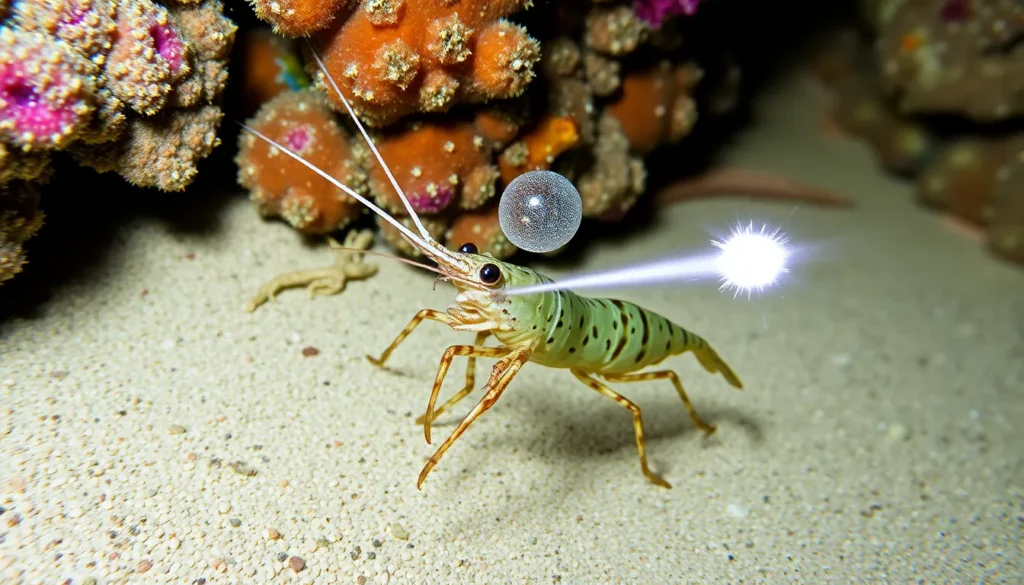
Pistol shrimp possess one enlarged claw that can snap shut at incredible speeds, creating a cavitation bubble that generates a loud snapping sound and a shockwave capable of stunning prey. - Sound Production
The snapping sound produced by the claw can reach up to 210 decibels, making it one of the loudest sounds in the ocean relative to the shrimp’s size. - Cavitation Bubble
The snap creates a cavitation bubble that briefly reaches temperatures near 5,000 K (hotter than the surface of the sun) and emits a short flash of light from sonoluminescence. - Hunting Mechanism
Pistol shrimp use their claw to stun or kill small fish and other prey by the shockwave produced from the snap, enabling them to feed efficiently. - Size and Appearance
Most pistol shrimp species are small, typically ranging from 2 to 5 centimeters in length, with a distinctive asymmetrical claw. - Habitat Range
Pistol shrimp are found in warm marine waters worldwide, often inhabiting shallow reefs, seagrass beds, and sandy or muddy substrates. - Symbiotic Relationships
Certain species of pistol shrimp form mutualistic relationships with gobies, sharing burrows where the shrimp maintains the burrow and the goby acts as a lookout. - Burrowing Behavior
Pistol shrimp are known for digging and maintaining complex burrows in the sea floor, providing shelter and protection. - Communication
The snapping claw is also used for communication and territorial displays among pistol shrimp. - Claw Regeneration
If a pistol shrimp loses its snapping claw, the smaller claw can grow into a new snapping claw, while the lost one regenerates as the new smaller claw. - Species Diversity
There are over 500 known species of pistol shrimp within the family Alpheidae, exhibiting varied sizes and behaviors. - Feeding Habits
Besides using their claw to hunt, pistol shrimp also scavenge detritus and small invertebrates. - Predator Avoidance
The loud snap can startle or deter potential predators, serving as a defense mechanism. - Reproductive Behavior
Pistol shrimp typically exhibit complex mating behaviors, with some species showing parental care by guarding eggs in their burrows. - Economic and Research Importance
They are studied for their unique mechanical and acoustic properties, inspiring biomimetic engineering designs. - Sonoluminescence Phenomenon
The light emitted during cavitation bubble collapse is a rare example of sonoluminescence occurring in nature. - Claw Speed
The snapping claw closes at speeds exceeding 100 kilometers per hour, making it one of the fastest movements recorded in the animal kingdom. - Ecological Role
By maintaining burrows, pistol shrimp contribute to sediment turnover and aeration, benefiting the marine ecosystem. - Longevity
Typical lifespan of pistol shrimp varies by species but generally ranges from 1 to 6 years in the wild. - Vulnerability
While widespread, pistol shrimp populations can be affected by habitat destruction and pollution. - Scientific Curiosity
Pistol shrimp continue to be subjects of scientific study for understanding biomechanics, acoustics, and marine ecology.
Habitat and Behavior
Pistol shrimp predominantly inhabit warm, shallow marine environments such as coral reefs, seagrass beds, and sandy or muddy ocean floors. They are benthic creatures, living on or in the sea floor where they dig and maintain intricate burrows that provide shelter from predators and environmental stressors. Their behavior includes using their specialized snapping claw to hunt small prey, communicate, and defend territory. Many species engage in mutualistic relationships, notably with gobies, where the shrimp provides a burrow and the goby acts as a watchman, alerting the shrimp to danger. Pistol shrimp are primarily nocturnal or crepuscular, often active during twilight and nighttime hours. Their feeding habits include predation using the claw’s shockwave and scavenging organic material. These shrimp are solitary or live in small groups, depending on species and environmental conditions.
Why This Animal Matters
Pistol shrimp play an important ecological role in marine ecosystems by contributing to sediment turnover and aeration through their burrowing activities. This process enhances nutrient cycling and supports the health of benthic habitats. Their unique snapping mechanism is of scientific interest due to its extreme speed, power, and the accompanying phenomenon of sonoluminescence, providing insights into biomechanics and fluid dynamics. Culturally, pistol shrimp have attracted interest in marine biology and biomimicry fields, inspiring technological innovations such as underwater acoustics and robotic designs. Conservation-wise, their sensitivity to habitat degradation highlights the importance of protecting marine environments. Understanding pistol shrimp biology and ecology helps in maintaining biodiversity and ecosystem resilience in coastal waters.
Common Misconceptions
Misconception: Pistol shrimp use their snapping claw to kill large fish.
Correction: The snapping claw is powerful enough to stun or kill small prey such as tiny fish or invertebrates but is not capable of harming large fish.

Misconception: The loud snap sound damages the shrimp itself.
Correction: The pistol shrimp’s claw is specially adapted to withstand the extreme forces generated by the snap, preventing self-injury.
Misconception: All pistol shrimp live in symbiosis with gobies.
Correction: While many species do form mutualistic relationships with gobies, not all pistol shrimp engage in such partnerships.
Misconception: The light produced by the snap is bioluminescence.
Correction: The brief flash of light is due to sonoluminescence, a physical phenomenon caused by cavitation bubble collapse, not biological light production.
Misconception: Pistol shrimp are dangerous to humans.
Correction: Pistol shrimp are small and generally harmless to humans, although their snap can be startling if encountered closely.
FAQ
How does the pistol shrimp produce its snapping sound?
The pistol shrimp closes its specialized large claw at high speed, creating a cavitation bubble in the water. When this bubble collapses, it produces a loud snapping sound and a powerful shockwave.
Are pistol shrimp dangerous to humans?
Pistol shrimp are generally harmless to humans. Although their snapping sound is loud and can be startling, they do not pose a threat or cause injury to people.
Why do some pistol shrimp live with gobies?
Certain pistol shrimp species form mutualistic relationships with gobies, where the shrimp digs and maintains a shared burrow, and the goby provides a watchful presence to alert the shrimp of approaching danger.




Leave a Reply