
Short Answer
21 Facts About Degus
- Origin: Degus are native to Chile, primarily found in the semi-arid regions of the country.
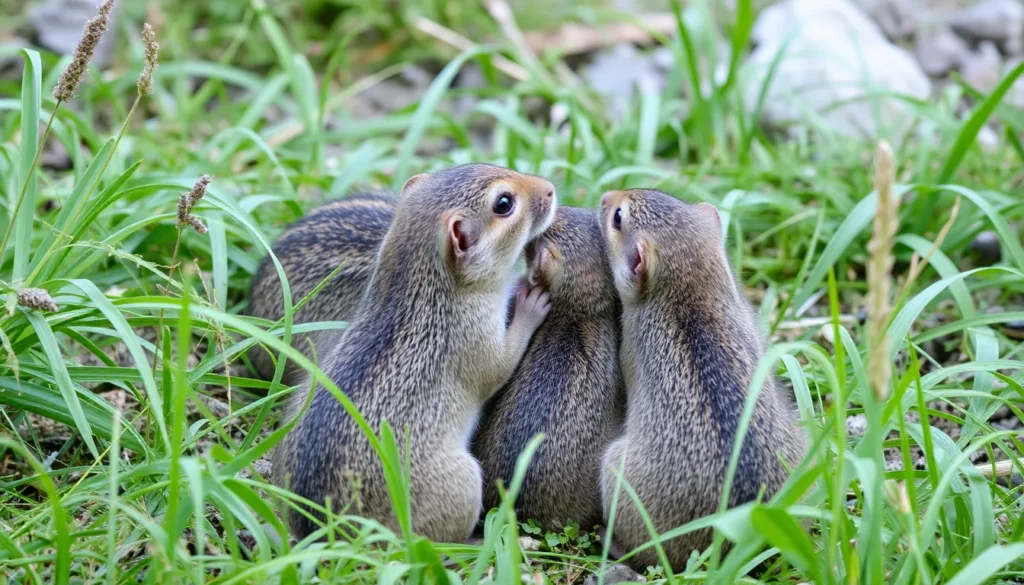
- Social Animals: Degus are highly social creatures, often living in groups of 10 or more.
- Diet: Degus are herbivorous and primarily consume grasses, seeds, and leaves.
- Unique Teeth: Their teeth continuously grow throughout their lives, similar to those of other rodents.
- Diabetes Research: Degus have been studied for their propensity to develop diabetes, particularly Type 2 diabetes.
- Behavioral Indicators: Changes in behavior can indicate diabetes in degus, such as increased thirst and urination.
- Life Span: In captivity, degus can live up to 6-8 years.
- Housing Needs: Degus require spacious habitats with plenty of climbing opportunities.
- Communication: They use a variety of vocalizations, including barks and chirps, to communicate with each other.
- Handling: Degus can become quite tame if handled regularly from a young age.
- Temperature Sensitivity: Degus are sensitive to extreme temperatures and should be kept in a controlled environment.
- Breeding: Female degus typically give birth to litters of 4-6 offspring.
- Role in Ecosystem: In their natural habitat, degus contribute to seed dispersal and soil aeration.
- Conservation Status: Currently, degus are not considered endangered, but habitat loss poses a threat.
- Interaction with Humans: Degus have gained popularity as pets due to their sociable nature.
- Health Issues: Besides diabetes, degus can suffer from dental problems and obesity.
- Physical Activity: Degus are active creatures and require daily exercise to stay healthy.
- Genetic Studies: Research on degus has provided insights into the genetic factors influencing diabetes.
- Behavioral Studies: Their social structure allows researchers to study cooperative behaviors related to foraging and defense.
- Dietary Management: A high-fiber diet is crucial for preventing diabetes in degus.
- Common Pet Mistakes: Many owners underestimate the amount of social interaction degus need.
- Research Collaboration: Ongoing studies with degus continue to enhance our understanding of diabetes management.
These small rodents inhabit areas that provide them with ample vegetation and shelter, significantly influencing their social behavior.
Living in groups helps them to forage more effectively and provides protection against predators.
They have a unique digestive system that allows them to extract maximum nutrients from fibrous plant materials.
To prevent overgrowth, degus must constantly gnaw on various materials.
This makes them valuable models for studying metabolic disorders in humans.
These signs are critical for early detection and management of the condition.
This longevity is supported by proper care and nutrition, which is essential for their health.
A well-designed environment mimics their natural habitat, promoting physical and mental well-being.
This vocal communication is essential for social bonding and alerting group members to danger.
However, they may exhibit stress if not accustomed to human interaction.
Heat stress can lead to health complications, including diabetes-related issues.
They are precocial, meaning the young are relatively mature and mobile shortly after birth.
This ecological role helps maintain the health of their environment.
Conservation efforts focus on preserving their natural habitats in Chile.
However, they require specialized care and understanding of their needs.
Regular veterinary check-ups are essential for maintaining their health.
This is critical in preventing obesity, which can contribute to diabetes.
This includes studies on insulin sensitivity and glucose metabolism.
This has broader implications for understanding social behaviors in other species.
Low-sugar diets help maintain their metabolic health.
Providing a companion or regular interaction is important for their psychological well-being.
Collaborations across disciplines are critical for advancing diabetes research.
Habitat and Behavior
Degus thrive in the semi-arid regions of Chile, where they build burrows and live in colonies. They exhibit diurnal behavior, being active during the day, which allows them to forage for food and socialize. Their natural habitats consist of scrublands and grasslands, where they can find their preferred diet of grasses and seeds.
Why This Animal Matters
Degus play a significant role in their ecosystems by aiding in seed dispersal and soil aeration. They are also important in scientific research, particularly in studies concerning diabetes and metabolic health. Understanding their biology and behavior contributes to broader ecological and medical knowledge.
Common Misconceptions
Misconception: Degus are similar to guinea pigs in behavior and care.
Correction: While both are rodents, degus require different dietary management and social interaction.
Misconception: Degus are low-maintenance pets.
Correction: Degus require specific care, including social interaction and a proper environment to thrive.
FAQ
What are degus?
Degus are small, social rodents native to Chile, known for their unique behaviors and dietary needs.
How do degus relate to diabetes?
Degus are studied for their susceptibility to diabetes, particularly Type 2, making them important for medical research.
Can degus be kept as pets?
Yes, degus can be kept as pets, but they require specific care, social interaction, and a suitable environment.




Leave a Reply