
Short Answer
21 Facts About Skate Egg Cases
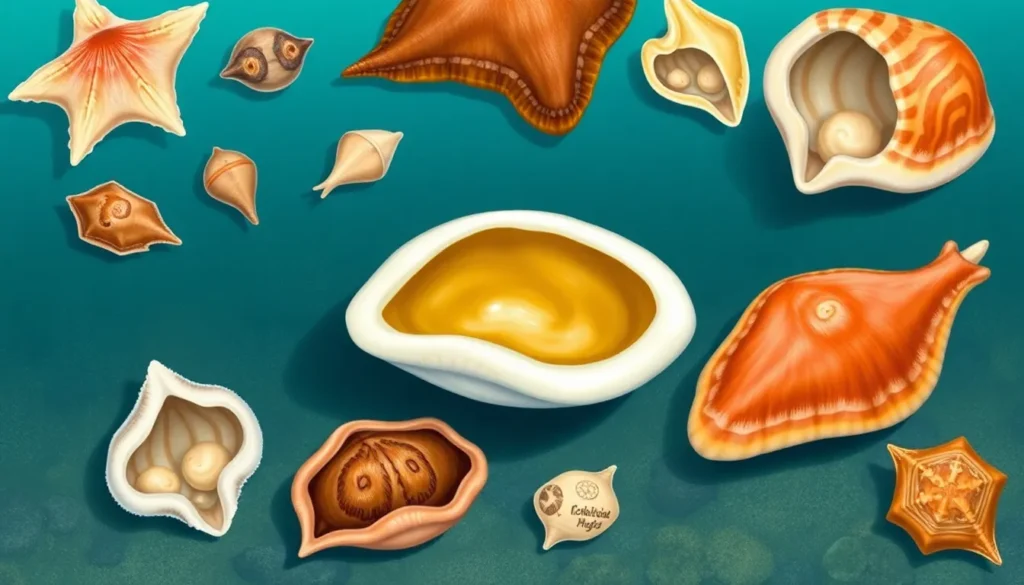
- Structure: Skate egg cases are typically flat, rectangular, and leathery, resembling a purse, which leads to their nickname ‘mermaid’s purses.’
- Material: The egg cases are primarily composed of collagen, which provides flexibility and resilience.
- Species Variation: Different species of skates produce egg cases of varying sizes, shapes, and colors.
- Incubation Period: The incubation period for skate eggs can range from several weeks to several months, depending on the species and environmental conditions.
- Habitat: Skate egg cases are typically found attached to the seabed, often in shallow waters.
- Predation: Egg cases are vulnerable to predation, especially from fish and other marine animals.
- Embryo Development: Inside the egg case, embryos are nourished by a yolk sac until they are ready to hatch.
- Size at Hatching: Newly hatched skates are typically around 10-15 cm in length.
- Distribution: Skate egg cases can be found in various oceanic regions around the world, particularly in temperate waters.
- Seasonal Breeding: Many skate species breed seasonally, with egg cases appearing more frequently in certain months.
- Environmental Indicators: The presence of skate egg cases can indicate the health of marine ecosystems.
- Conservation Status: Many skate species are under threat due to overfishing and habitat loss, impacting their reproductive success.
- Cultural Significance: Mermaid’s purses have been a source of fascination in various cultures, often featured in folklore and art.
- Size Variation: Some skate species produce larger egg cases, while others are much smaller, reflecting their size and ecological niche.
- Oxygen Supply: The egg case structure allows for the diffusion of oxygen, which is crucial for the developing embryos.
- Egg Case Lifespan: Skate egg cases can remain on the seabed for extended periods, sometimes even years, before hatching.
- Human Interaction: Skate egg cases are often collected by beachgoers and can be found in marine education centers.
- Research Importance: Scientists study skate egg cases to better understand reproductive strategies and the impact of environmental changes.
- Invasive Species: Some regions have reported the presence of non-native skate species, which could threaten local ecosystems.
- Ecological Role: Skates play a vital role in marine ecosystems as both predators and prey.
- Educational Value: Skate egg cases are often used in educational programs to engage students in marine biology.
This unique structure helps protect the developing embryos from predators and environmental conditions.
This collagen composition allows the case to withstand various marine conditions while still being permeable to water, facilitating gas exchange.
For instance, the egg cases of the common skate are often larger and darker than those of the thorny skate.
This long incubation allows the embryos to develop fully before hatching.
They prefer sandy or rocky substrates where they can securely anchor their cases.
Some species have developed camouflage strategies to minimize the chances of being eaten.
This sac provides essential nutrients during the early stages of development.
This size allows them to be fairly independent from birth, capable of swimming and finding food.
They are prevalent in both the Atlantic and Pacific Oceans.
The timing often coincides with optimal environmental conditions for embryo development.
They serve as a valuable indicator for scientists monitoring biodiversity and habitat quality.
Efforts are being made to protect critical habitats and manage skate populations sustainably.
Their unique shape and appearance have inspired myths and stories about mermaids and the ocean.
This variation helps researchers identify species by examining the cases.
This adaptation is essential for their survival in the often low-oxygen environments of the ocean floor.
This extended duration allows for the synchronization of hatching with favorable conditions.
They are sometimes used in educational contexts to teach about marine life and ecosystems.
Research on these structures can provide insights into broader marine conservation efforts.
Monitoring skate egg cases can help track these changes and their ecological impacts.
They help maintain the balance of marine life by controlling the populations of smaller fish and invertebrates.
They provide a tangible way to learn about reproduction and the diversity of marine life.
Habitat and Behavior
Skate egg cases are typically found in shallow coastal waters, where they attach to the seabed. These habitats often consist of sandy or rocky substrates, which provide a secure environment for the developing embryos. Skates are generally bottom-dwelling creatures that exhibit a range of behaviors, including foraging for small fish and invertebrates. They are known to use their flattened bodies to blend into the ocean floor, aiding in both hunting and avoiding predators.
Why This Animal Matters
Skates, and their egg cases, play a crucial role in marine ecosystems. They are important indicators of environmental health and contribute to the biodiversity of ocean habitats. Culturally, they have inspired folklore and educational initiatives, highlighting the interconnectedness of marine life. Furthermore, understanding their reproductive strategies aids in conservation efforts, particularly as many skate species face threats from overfishing and habitat destruction.
Common Misconceptions
Misconception: Skate egg cases are the eggs themselves.
Correction: Skate egg cases are protective structures that encase the developing embryos, not the eggs.
Misconception: All skate egg cases look the same.
Correction: There is significant variation in the size, shape, and color of skate egg cases among different species.
FAQ
What are skate egg cases?
Skate egg cases are protective structures that encase the developing embryos of skates, often referred to as mermaid's purses.
How long do skate eggs take to hatch?
The incubation period for skate eggs can vary but generally ranges from several weeks to several months.
Why are skate egg cases important for marine ecosystems?
They serve as indicators of environmental health and contribute to marine biodiversity.



Leave a Reply