
Short Answer
21 Facts About Animal Byproducts (Gelatin, Leather)
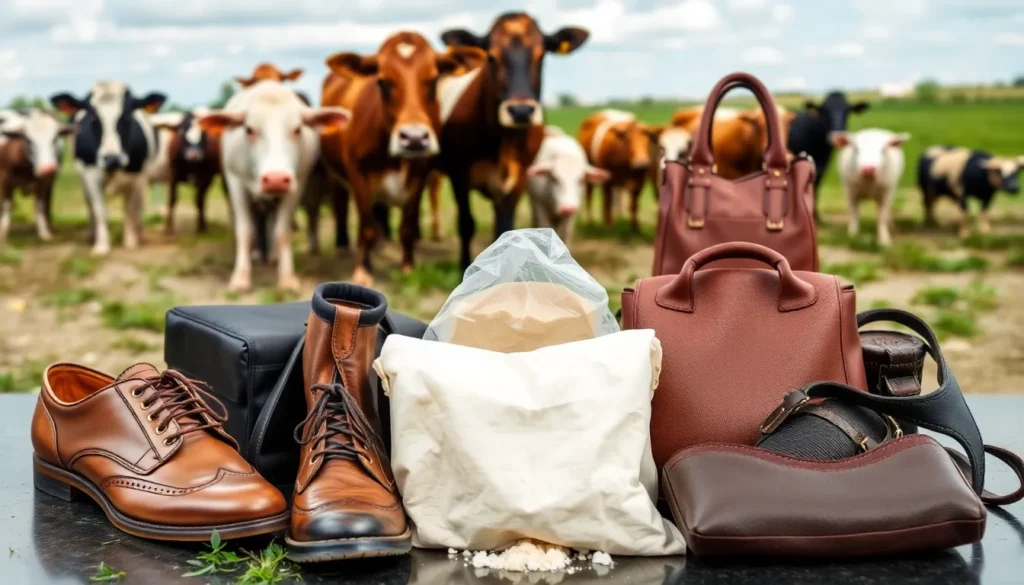
- Gelatin is primarily derived from collagen found in animal bones and skin. Collagen is a structural protein abundant in connective tissues, which is hydrolyzed to produce gelatin used in food and pharmaceuticals.
- Leather is made from the tanned hide of animals, commonly cattle. The tanning process stabilizes the collagen fibers to make leather durable and resistant to decomposition.
- Gelatin is widely used as a gelling agent in food products such as jelly, marshmallows, and gummy candies. Its unique ability to form a gel upon cooling makes it valuable in culinary applications.
- Leather production dates back thousands of years and was one of the earliest forms of animal material utilization by humans. Ancient civilizations used leather for clothing, shelter, and tools.
- Gelatin is also used in pharmaceuticals, particularly in capsule casings and vaccine stabilizers. It serves as a safe and digestible component for oral medications.
- There are different types of leather, including full-grain, top-grain, and split leather, each varying in quality and use. Full-grain leather is considered the highest quality due to its durability and natural surface.
- Gelatin can be sourced from various animals, including cows, pigs, and fish. Fish gelatin is an alternative for those avoiding mammalian sources for dietary or cultural reasons.
- Leather tanning involves chemical or vegetable methods. Vegetable tanning uses tannins from tree bark and is more environmentally friendly but slower than chrome tanning.
- Gelatin is sensitive to heat and dissolves in hot water, which is why it melts in the mouth easily. This property contributes to its popularity in desserts.
- Leather production generates significant environmental concerns, including water pollution from tanning chemicals. Efforts are ongoing to develop more sustainable tanning techniques.
- Gelatin is not suitable for vegetarian or vegan diets because it is an animal-derived product. Plant-based alternatives like agar-agar or pectin are often used instead.
- Leather is used in a wide range of products, from fashion items like shoes and bags to furniture and automotive upholstery. Its durability and aesthetic appeal make it a preferred material in many industries.
- Gelatin’s gelling strength is measured by a scale called Bloom, which indicates its firmness. Different applications require gelatin with specific Bloom values.
- Byproducts like gelatin and leather contribute to the full utilization of slaughtered animals, reducing waste. They are part of the broader category of animal byproducts used in various industries.
- Leather can be treated to be water-resistant or colored in various ways, expanding its uses. Techniques include dyeing, embossing, and coating.
- Gelatin has been used historically in photographic films and cosmetics, showcasing its versatility. Its properties help bind ingredients and create flexible films.
- Some religious dietary laws regulate the permissibility of gelatin depending on its animal source. For example, some Jewish and Muslim dietary laws require gelatin to be derived from kosher or halal animals.
- Leather production is a significant economic activity in many countries, often linked to livestock farming. Countries like India, Brazil, and Italy are notable leather producers.
- Gelatin is biodegradable and generally considered safe for human consumption when properly processed. However, allergies to gelatin are rare but documented.
- Both gelatin and leather have inspired synthetic alternatives aimed at reducing reliance on animal products. These include plant-based gels and synthetic leather materials.
- Innovations in biotechnology are exploring lab-grown leather and gelatin as sustainable future alternatives. These technologies seek to replicate animal byproducts without animal slaughter.
Habitat and Behavior
Animal byproducts such as gelatin and leather come from various animals, primarily those raised in agricultural settings, including cattle, pigs, and fish. These animals are typically domesticated and farmed in controlled environments worldwide. Their natural habitats vary widely; for example, cattle originally evolved in grasslands and plains, while fish gelatin is sourced from species inhabiting oceans and freshwater bodies. The behavior of these animals varies by species, but in agricultural contexts, they are managed for optimal production of meat and byproducts. The survival of these animals depends on human care in farming systems, including feeding, shelter, and disease management.
Why This Animal Matters
Animals that provide gelatin and leather are integral to many human industries and cultures. Their byproducts allow for efficient use of animal tissues beyond meat consumption, contributing to economic value and sustainability. Leather, in particular, holds cultural significance in fashion, craftsmanship, and historical artifacts. Gelatin is essential in food technology and medicine, illustrating the diverse roles animal-derived materials play. Moreover, these animals support livelihoods globally and are part of agricultural ecosystems. Conservation efforts focus more on wild counterparts, but sustainable farming practices ensure the continued availability of these byproducts.
Common Misconceptions
Misconception: Gelatin is a vegetarian or vegan product.
Correction: Gelatin is derived from animal collagen and is not suitable for vegetarians or vegans. Plant-based alternatives such as agar-agar exist for those dietary needs.

Misconception: All leather is cruelty-free and environmentally friendly.
Correction: Leather production involves animal slaughter and tanning processes that can be environmentally harmful. However, some producers employ sustainable and ethical practices to mitigate these impacts.
Misconception: Gelatin and leather come from a single animal source.
Correction: These byproducts are sourced from various animals, including cattle, pigs, fish, and other species, depending on regional availability and industry requirements.
FAQ
What is gelatin made from?
Gelatin is made by hydrolyzing collagen, a protein found in animal skin, bones, and connective tissues, primarily from cows, pigs, or fish.
Is leather environmentally friendly?
Leather production can have environmental impacts due to chemical tanning processes and resource use. However, sustainable and vegetable tanning methods aim to reduce these effects.
Are there vegan alternatives to gelatin and leather?
Yes, plant-based substitutes such as agar-agar for gelatin and synthetic or plant-based leathers are increasingly available to meet vegan and sustainable demands.
Leave a Reply