
Short Answer
21 Facts About Ocean Acidification Effects on Marine Animals
- Ocean acidification is caused by increased CO2 levels. When atmospheric carbon dioxide dissolves in seawater, it forms carbonic acid, lowering the pH of the ocean and making it more acidic.
- Lower pH decreases carbonate ion availability. Carbonate ions are essential for marine animals like corals and shellfish to build calcium carbonate shells and skeletons.
- Calcifying organisms struggle to maintain shells. Species such as oysters, clams, sea urchins, and corals experience difficulties forming and maintaining their shells in acidic conditions.
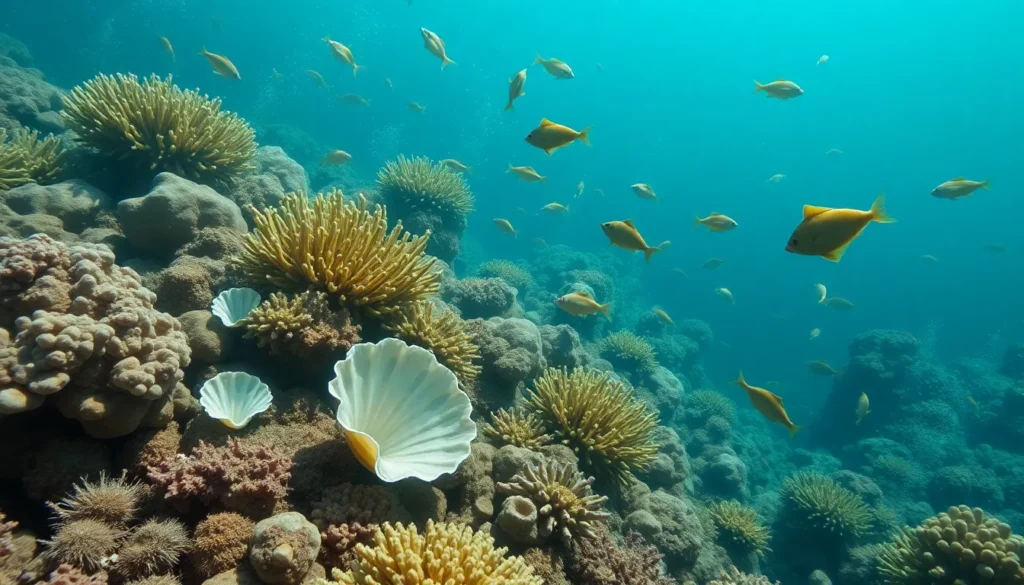
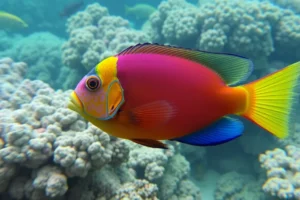
- Coral reefs are highly vulnerable. Acidification slows coral growth and weakens reef structures, threatening the biodiversity that depends on reefs.
- Acidification can impair larval development. Many marine species’ larvae show higher mortality rates and developmental abnormalities in acidic waters.
- Behavioral changes are observed in some fish. Elevated CO2 levels can alter fish sensory functions, affecting predator avoidance and habitat selection.
- Some species show physiological stress responses. Acidic conditions can affect respiration, metabolism, and immune function in marine animals.
- Marine snails are particularly at risk. Their thin shells dissolve more rapidly under acidified conditions, reducing survival rates.
- Ocean acidification impacts food webs. Changes in populations of key species like plankton and shellfish ripple through marine ecosystems.
- Some algae may benefit from acidification. Certain types of algae can thrive in higher CO2, potentially altering habitat structures and nutrient cycles.
- Crustaceans like crabs and lobsters may show mixed responses. While some studies indicate shell formation is impaired, others suggest potential acclimation over time.
- Acidification affects sensory perception in marine animals. For example, fish may lose their ability to detect predator cues effectively.
- Seagrass beds could act as refuges. Seagrasses can locally increase pH by photosynthesis, potentially mitigating acidification effects.
- Deep-sea species may also be vulnerable. Organisms in deep, cold waters are adapted to stable pH and may be sensitive to changes.
- Ocean acidification interacts with other stressors. Warming temperatures, pollution, and overfishing compound the effects on marine life.
- Genetic adaptation potential is uncertain. Some species may adapt over generations, but the rapid pace of acidification poses risks.
- Economic impacts are significant. Fisheries and aquaculture industries dependent on shellfish face threats from declining stocks.
- Ocean acidification reduces biodiversity. Loss of sensitive species can lead to less resilient ecosystems.
- Some plankton species show reduced calcification. This is critical since plankton form the base of many marine food chains.
- Marine animal migration patterns may shift. Changes in water chemistry could influence distribution and habitat suitability.
- Monitoring and research are ongoing. Scientists continue to study the long-term effects and potential mitigation strategies.
Habitat and Behavior
Marine animals affected by ocean acidification inhabit diverse environments ranging from shallow coral reefs and seagrass beds to deep ocean floors. Their behaviors include feeding, reproduction, and migration, which can be altered by changes in water chemistry. Calcifying species rely on stable carbonate ion concentrations to build shells and skeletons, while fish and invertebrates use sensory cues for survival that may be impaired by acidification. These animals have evolved to thrive within certain pH ranges, and shifts caused by increased acidity can disrupt physiological processes and ecological interactions.
Why This Animal Matters
Marine animals impacted by ocean acidification play critical roles in maintaining ecosystem balance, supporting biodiversity, and sustaining human economies. Coral reefs provide habitat and breeding grounds for numerous species, while shellfish contribute to water filtration and nutrient cycling. The decline of these animals threatens food security, coastal protection, and livelihoods globally. Understanding their responses to acidification is essential for conservation efforts and managing marine resources sustainably.
Common Misconceptions
Misconception: Ocean acidification will turn the ocean into a corrosive environment that immediately dissolves all shells and skeletons.
Correction: While acidification reduces carbonate ion availability and slows shell formation, it does not instantly dissolve all marine shells. The process is gradual, and many species have some capacity to regulate shell growth under changing conditions.
Misconception: Only coral reefs are affected by ocean acidification.
Correction: Ocean acidification impacts a wide range of marine species including shellfish, plankton, fish, and deep-sea organisms, not just corals.
FAQ
What is ocean acidification?
Ocean acidification refers to the decrease in seawater pH caused by the uptake of carbon dioxide from the atmosphere, leading to increased acidity and altered chemical conditions.
How does ocean acidification affect marine animals?
It primarily affects marine animals by reducing the availability of carbonate ions needed for shell and skeleton formation, causing physiological stress, behavioral changes, and increased mortality in some species.
Can marine animals adapt to ocean acidification?
Some species may adapt over multiple generations, but the rapid pace of acidification and its combined effects with other environmental stressors make adaptation challenging and uncertain.

Leave a Reply