
Short Answer
21 Facts About Coral Bleaching and Symbionts
1. Coral Reefs Are Biodiversity Hotspots
Coral reefs support approximately 25% of all marine species, despite covering only about 0.1% of the ocean’s surface. This high level of biodiversity is largely due to the intricate relationships between corals and their symbiotic algae, known as zooxanthellae.
2. Zooxanthellae Provide Nutrients
The symbiotic relationship between corals and zooxanthellae is crucial for coral health. The algae perform photosynthesis, converting sunlight into energy, which they share with the coral, providing it with up to 90% of its energy needs.
3. Bleaching Occurs When Stress Happens
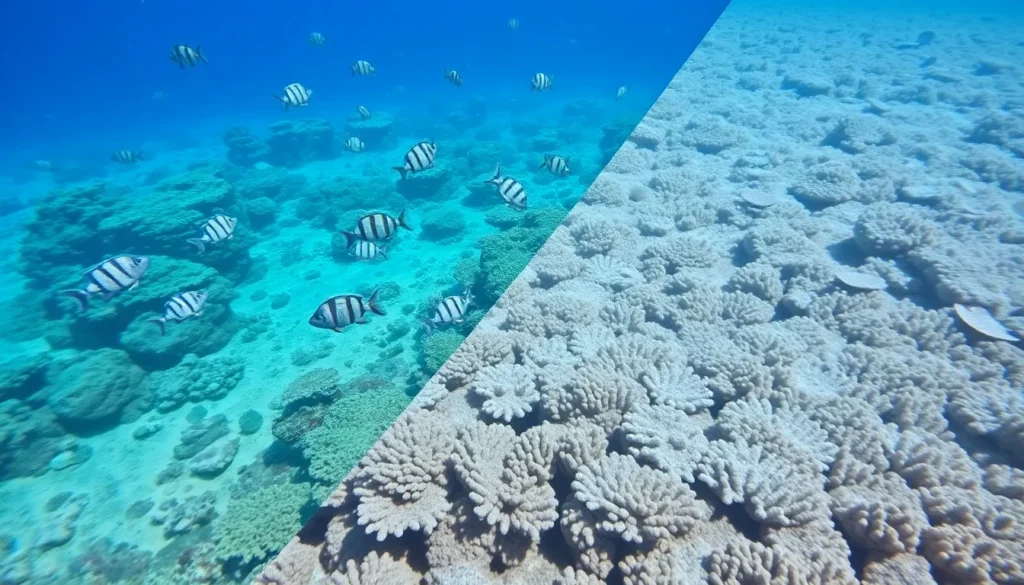
Coral bleaching occurs when corals are stressed, often due to elevated water temperatures, pollution, or changes in pH. When stressed, corals expel their symbiotic zooxanthellae, leading to a loss of color and vital nutrients.
4. Temperature Thresholds Are Critical
Corals are highly sensitive to temperature changes. A rise of just 1-2°C above normal summer temperatures can trigger bleaching, indicating their narrow thermal tolerance ranges.
5. Climate Change Is a Major Factor
One of the leading causes of coral bleaching is climate change, which is causing global ocean temperatures to rise. This has resulted in more frequent and severe bleaching events worldwide.
6. Ocean Acidification Impacts Corals
In addition to warming waters, increased CO2 levels lead to ocean acidification, which can weaken coral skeletons and hinder their growth, making them more susceptible to bleaching.
7. Recovery Is Possible but Challenging
While corals can recover from bleaching events if conditions improve, repeated stress can lead to mortality. The recovery process can take years, depending on the severity of the bleaching and environmental conditions.
8. Coral Species Vary in Resilience
Different coral species exhibit varying degrees of resilience to bleaching. Some species, such as Acropora, are more susceptible, while others, like Porites, show greater resistance under adverse conditions.
9. Human Activity Exacerbates Stress
Human activities, such as overfishing, coastal development, and pollution, contribute to the stress experienced by corals, making them more vulnerable to bleaching events.
10. Coral Reefs Protect Coastlines
Coral reefs serve as natural barriers, protecting coastlines from erosion and storm surges. Their health is vital for the protection of coastal communities, particularly in tropical regions.
11. Indigenous Knowledge Is Valuable
Many indigenous communities possess traditional ecological knowledge about coral reefs, which can contribute to modern conservation efforts. Their understanding of local ecosystems can guide sustainable practices.
12. Coral Bleaching Has Economic Implications
The bleaching of coral reefs can have significant economic impacts, particularly for tourism and fishing industries that rely on healthy coral ecosystems. The loss of biodiversity can lead to decreased fish stocks and reduced tourism revenue.
13. Coral Gardening Aids Recovery
Efforts such as coral gardening, where coral fragments are cultivated and replanted, aim to restore degraded reefs. These initiatives can enhance the resilience of coral populations against future bleaching events.
14. Technological Innovations Support Research
Advancements in technology, including satellite monitoring and underwater drones, aid researchers in tracking coral health and bleaching events, enhancing conservation efforts.
15. Bleached Corals Can Still Survive
Interestingly, bleached corals can survive for extended periods without zooxanthellae if they receive sufficient nutrients from the surrounding water, highlighting their remarkable adaptability.
16. Coral Reefs Store Carbon
Coral reefs play a role in carbon storage, contributing to carbon sequestration. Healthy reefs can help mitigate climate change by absorbing CO2 from the atmosphere.
17. Coral Symbionts Are Diverse
While zooxanthellae are the most well-known symbionts, various other algae and microorganisms also inhabit corals, contributing to their health and resilience.
18. Restoration Efforts Are Multidisciplinary
Successful coral restoration involves collaboration among scientists, policymakers, and local communities, emphasizing the need for integrated approaches to coral conservation.
19. Education and Awareness Are Key
Raising awareness about the importance of coral reefs and the threats they face is essential for conservation efforts. Education can empower individuals and communities to engage in protective actions.
20. Marine Protected Areas Help
Establishing marine protected areas (MPAs) can provide a refuge for corals, allowing ecosystems to recover from stressors and enhancing overall biodiversity.
21. Future Research Is Crucial
Ongoing research into coral biology, ecology, and responses to environmental changes is vital for developing effective conservation strategies and understanding how to protect these ecosystems in the future.
Habitat and Behavior
Corals primarily inhabit tropical and subtropical oceans, forming reefs in warm, shallow waters. They thrive in clear waters with adequate sunlight, as this is crucial for their symbiotic relationship with zooxanthellae. Corals exhibit a range of behaviors, including feeding through the capture of plankton and organic matter, and they can also reproduce both sexually and asexually, ensuring the continuation of their populations.
Why This Animal Matters
Corals play an essential role in marine ecosystems, providing habitat and shelter for numerous marine organisms. They contribute to biodiversity, support fisheries, and protect coastal areas from erosion. Additionally, coral reefs hold cultural significance for many communities worldwide and are important for tourism. Their decline poses serious ecological and economic threats, making conservation efforts crucial for maintaining healthy ocean environments.
Common Misconceptions
Misconception: Coral Reefs Are Plants
Correction: Coral reefs are made up of animal organisms (coral polyps) that form symbiotic relationships with algae, which perform photosynthesis.
Misconception: All Coral Bleaching Is Permanent
Correction: While severe bleaching can lead to coral death, many corals can recover if environmental conditions improve, though this recovery can be slow and is not guaranteed.
Coral bleaching is primarily caused by stress factors such as elevated water temperatures, pollution, and changes in pH. Yes, corals can recover from bleaching if environmental conditions improve, although the recovery process can be slow. Coral reefs provide habitat for marine life, protect coastlines, support fisheries, and have cultural significance.FAQ
What causes coral bleaching?
Can bleached corals recover?
Why are coral reefs important?




Leave a Reply