
Short Answer
21 Facts About Chinchilla Fur Density
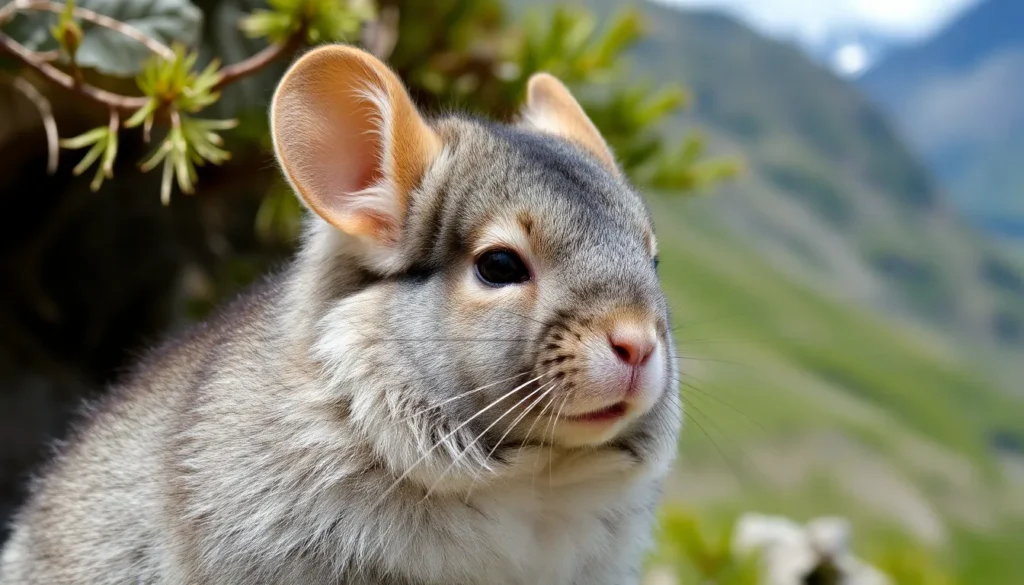
- Chinchilla fur is exceptionally dense. Chinchillas have one of the densest furs of any animal, with up to 60 hairs growing from a single follicle, providing superior insulation against cold.
- The fur is soft and silky. The texture of chinchilla fur is often compared to cashmere, making it highly sought after in the fashion industry.
- Fur density aids in temperature regulation. The dense fur allows chinchillas to maintain their body temperature in their native cold mountainous habitats.
- Chinchillas have a unique grooming behavior. They use dust baths to keep their fur clean and free of oils, as water can damage it.
- Fur density plays a role in camouflage. The color and texture of their fur help chinchillas blend into rocky environments, evading predators.
- Fur density varies by breed. Different breeds of chinchillas, such as the Standard Grey and the Black Velvet, exhibit variations in fur density and coloration.
- Chinchilla fur is water-repellent. The structure of the fur helps repel water, enabling the animals to stay dry in their natural habitat.
- Fur density influences their social behavior. Chinchillas often groom each other, reinforcing social bonds and maintaining fur health.
- Chinchillas were once hunted for their fur. Wild chinchillas faced significant population declines due to overhunting for their fur, leading to conservation efforts.
- Fur density aids in sensory perception. The fine hairs in their fur are highly sensitive, helping chinchillas detect changes in their environment.
- Chinchillas can lose fur due to stress. High-stress situations can lead to fur loss, known as fur slip, which can impact their health.
- Fur care is essential for pet chinchillas. Owners must ensure proper grooming practices to maintain the health and density of their pet’s fur.
- Chinchilla fur is hypoallergenic. The structure of the fur makes it less likely to trigger allergies in sensitive individuals.
- Fur density contributes to their lightweight structure. The overall weight of chinchillas is minimized despite their thick fur, aiding mobility.
- Fur density affects breeding. Breeders often select for desirable fur characteristics, including density, when mating chinchillas.
- Chinchilla fur is highly valued. Due to its rarity and quality, chinchilla fur can be extremely expensive in the fashion market.
- Fur density impacts their health. Healthy fur density is an indicator of overall well-being in chinchillas.
- Chinchillas are nocturnal. Their fur density helps them remain insulated at night when temperatures drop.
- Fur is a source of natural oils. Chinchilla fur contains oils that help maintain moisture and protect against environmental elements.
- Chinchilla fur can change color with age. The density and color of their fur may change as they mature, reflecting their health and genetics.
- Fur density is genetically influenced. The genes inherited from their parents play a crucial role in determining fur density and quality.
Habitat and Behavior
Chinchillas are native to the Andes Mountains in South America, particularly in regions of Bolivia, Peru, and Chile. They inhabit rocky, high-altitude areas where cool temperatures prevail. These small mammals are primarily nocturnal and spend most of their time foraging for food, which consists mainly of grasses, seeds, and other plant materials. Their dense fur provides insulation against the cold, allowing them to thrive in harsh conditions. Chinchillas are social animals, often living in colonies that help them stay safe from predators. They communicate through a series of vocalizations and enjoy engaging in playful behaviors with one another.
Why This Animal Matters
Chinchillas play an important role in their ecosystem as herbivores, helping to maintain plant diversity and contributing to the health of their habitat. Culturally, they have been significant to indigenous peoples in the Andes, who have recognized their value for centuries. Due to their dense fur and the historical demand for it, chinchillas have faced severe population declines, making conservation efforts crucial for their survival. Protecting chinchillas not only helps preserve biodiversity but also ensures that future generations can appreciate these unique animals.
Common Misconceptions
FAQ
What makes chinchilla fur so special?
Chinchilla fur is incredibly dense and soft, providing exceptional insulation and protection.
How do chinchillas groom their fur?
Chinchillas require dust baths to keep their fur clean, as water can damage it.
Are chinchillas endangered?
Yes, wild chinchilla populations are threatened due to overhunting and habitat destruction.




Leave a Reply