
Short Answer
21 Facts About Mating Dances of Birds of Paradise
- Diversity of Species: There are over 40 species of birds of paradise, each with distinct courtship dances that showcase unique behaviors and plumage.
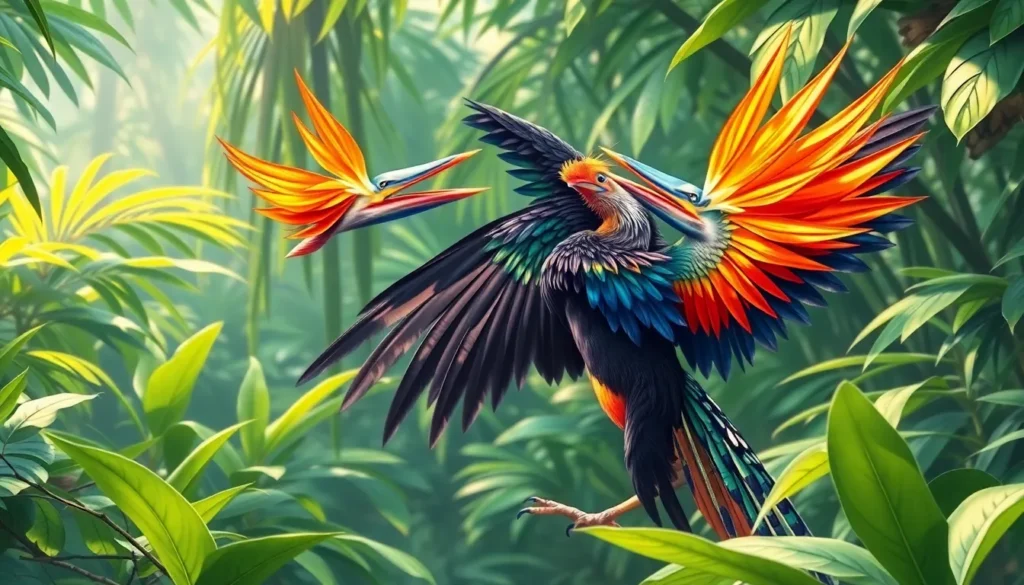
- Elaborate Plumage Displays: Male birds of paradise often display specialized feathers that can be erected or fanned out during mating dances to impress females.
- Complex Movements: Their courtship dances involve intricate steps, including hops, spins, and wing displays that require precise coordination.
- Use of Environment: Some species clear a display area on the forest floor or choose specific branches to perform their dances, enhancing visibility.
- Role of Vocalizations: Many species incorporate unique calls or songs that accompany their dances to attract and communicate with potential mates.
- Sexual Selection: Females often choose mates based on the quality and intensity of the dance and plumage, driving the evolution of these displays.
- Lekking Behavior: Certain birds of paradise perform in leks, where multiple males display in proximity to compete for female attention.
- Species-Specific Rituals: Each species has evolved distinctive courtship behaviors that reduce hybridization by ensuring females recognize conspecific males.
- Duration of Displays: Mating dances can last from a few seconds to several minutes depending on the species and context.
- Highly Energetic: The dances require significant energy expenditure, indicating the male’s fitness to females.
- Visual Illusions: Some species use optical illusions created by their movements and feather patterns to appear larger or more vibrant.
- Role of Coloration: Bright iridescent colors and contrasting patterns are common and are crucial in attracting mates during the dance.
- Learning and Practice: Young males may practice their dances over several years before successfully attracting mates.
- Individual Variation: Even within species, males exhibit variation in dance style and quality, influencing mating success.
- Female Choice Drives Evolution: The preferences of females have led to some of the most extravagant morphological and behavioral traits among birds.
- Non-Mating Displays: Some dances also serve social functions such as establishing dominance or territory among males.
- Multi-Sensory Displays: Besides visual and auditory signals, some species include subtle tactile or olfactory cues during courtship.
- Seasonal Timing: Mating dances often coincide with specific seasons when resources are abundant and breeding is optimal.
- Impact of Habitat: The dense rainforests where many species live influence the form and location of their dances for optimal visibility.
- Conservation Concerns: Habitat loss threatens some species, potentially disrupting their mating rituals and population viability.
- Scientific Study: Mating dances of birds of paradise continue to be a focus of behavioral ecology research due to their complexity and evolutionary significance.
Habitat and Behavior
Birds of paradise are primarily found in the rainforests of New Guinea and nearby islands, with some species extending into parts of eastern Australia. They inhabit dense tropical and subtropical forests where the abundance of foliage provides both protection and display sites. These birds are generally arboreal, spending much of their time in the forest canopy, although some species perform their mating dances on the forest floor or low branches.
Behaviorally, males are known for their elaborate courtship displays, which are critical for reproductive success. They invest considerable time and energy in clearing display courts and perfecting their dances. Outside the breeding season, many birds of paradise exhibit more subdued colors and behaviors. They feed mainly on fruits, insects, and small animals, which provide the energy necessary for their demanding mating rituals.
Why This Animal Matters
Birds of paradise play an important ecological role as seed dispersers due to their frugivorous diets, helping maintain forest diversity and health. Their complex mating dances have made them iconic examples of sexual selection and evolutionary biology, contributing significantly to scientific understanding of animal behavior. Culturally, birds of paradise have been admired and revered by indigenous peoples for centuries and are symbols of biodiversity and natural beauty.
Conservation efforts for birds of paradise are critical as habitat destruction threatens many species. Protecting their forest habitats not only preserves these unique birds but also supports broader ecosystem services vital to environmental stability.
Common Misconceptions
Misconception: All birds of paradise have the same mating dance.
Correction: Each species has evolved distinct and species-specific courtship dances and displays to ensure successful mating and species recognition.
Misconception: Only the male birds of paradise perform mating dances.
Correction: While males perform elaborate dances to attract females, females are generally more cryptically colored and do not engage in such elaborate displays.
Misconception: Mating dances are purely visual.
Correction: Although visual cues are dominant, birds of paradise also use vocalizations and sometimes other sensory cues during their courtship rituals.
FAQ
Why do birds of paradise have such elaborate mating dances?
Their elaborate dances evolved through sexual selection, where females prefer males with the most impressive displays, signaling health and genetic quality.
Do all male birds of paradise perform the same dance?
No, each species has its unique courtship dance and display behaviors to attract mates and ensure species recognition.
Are female birds of paradise involved in the mating dances?
Females typically do not perform the dances but are the selective observers who choose mates based on the males' displays.




Leave a Reply