
Short Answer
21 Facts About Insects as Food (Entomophagy)
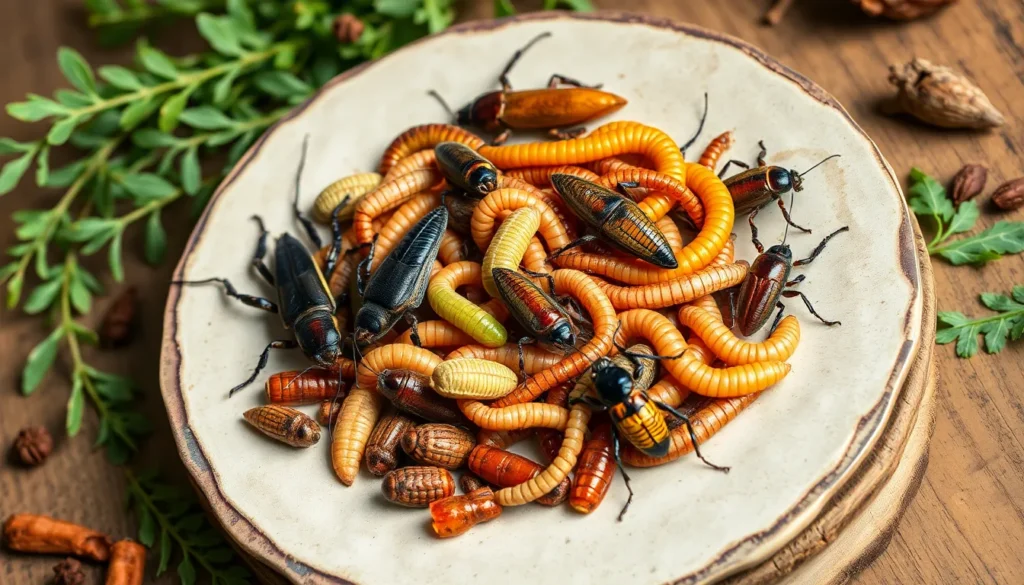
- Ancient Practice: Entomophagy dates back thousands of years and has been documented in many traditional cultures globally, particularly in Africa, Asia, and Latin America.
- Species Diversity: Over 2,000 insect species are known to be consumed by humans worldwide, including beetles, caterpillars, ants, grasshoppers, and crickets.
- High Nutritional Value: Insects are rich in protein, vitamins, minerals, and healthy fats, often comparable or superior to conventional livestock.
- Efficient Feed Conversion: Insects require less feed, water, and land to produce the same amount of protein as traditional livestock.
- Low Greenhouse Gas Emissions: Farming insects produces significantly fewer greenhouse gases than cattle or pigs.
- Rapid Reproduction: Many edible insects have short life cycles and reproduce quickly, making them a potentially sustainable food source.
- Cultural Acceptance Varies: While entomophagy is common in many regions, it remains less accepted or taboo in Western countries.
- Food Security Potential: Insects could help address global food insecurity by providing an alternative protein source.
- Forms of Consumption: Insects are eaten whole, roasted, ground into flours, or incorporated into processed foods such as protein bars and snacks.
- Flavor Profiles: Different insects have distinct tastes, ranging from nutty and earthy to mushroom-like flavors.
- Regulatory Frameworks: Some countries have begun establishing laws and safety standards for insect farming and food production.
- Environmental Benefits: Insect farming can reduce reliance on overfished seafood and lessen pressure on land ecosystems.
- Allergy Considerations: Some people allergic to shellfish may also react to insect proteins due to similar allergens.
- Economic Opportunities: Insect farming can provide income and employment in rural and developing areas.
- Historical Records: Insects are referenced as food in ancient texts, including the Bible and writings from Aristotle.
- Cooking Techniques: Common methods include frying, boiling, roasting, and seasoning with spices.
- Popular Edible Insects: Crickets, mealworms, locusts, and palm weevil larvae are among the most widely consumed species.
- Insect Farming Scale: Commercial insect farms are expanding in regions such as Europe, North America, and Southeast Asia.
- Consumer Products: Edible insects are increasingly found in protein powders, energy bars, snacks, and gourmet dishes.
- Scientific Research: Studies focus on optimizing insect farming, nutrition, safety, and consumer acceptance.
- Potential Risks: Although generally safe, improper harvesting or processing of insects can pose contamination risks.
Habitat and Behavior
Edible insects originate from diverse habitats including forests, grasslands, and agricultural areas. Species such as crickets and grasshoppers are often found in fields and meadows, while beetle larvae may inhabit decaying wood or soil. Many edible insects are omnivorous or herbivorous, feeding on plants, detritus, or organic matter. Their behavior varies by species; for example, locusts can form swarms, whereas some beetles are solitary. Insect farming replicates natural conditions suitable for breeding and growth, often involving controlled temperature, humidity, and diet to maximize yield and quality.
Why This Animal Matters
Insects play a critical ecological role as decomposers, pollinators, and a food source for wildlife. Their use as food for humans, entomophagy, offers a sustainable alternative to traditional livestock, potentially reducing environmental pressures such as deforestation, greenhouse gas emissions, and water use. Culturally, insects have been part of human diets for millennia, reflecting diverse culinary traditions and knowledge systems. Conservation of insect biodiversity is essential not only for ecosystem health but also to preserve these food resources. As global populations grow and demand for protein increases, insects may become increasingly important in ensuring food security and sustainable agricultural practices.
Common Misconceptions
Misconception: Eating insects is a new or fad trend.
Correction: Entomophagy has been practiced for thousands of years across many cultures and is not a recent phenomenon.
Misconception: All insects are unsafe or carry diseases.
Correction: Properly farmed and processed insects are safe to eat and subject to food safety standards similar to other animal proteins.
Misconception: Insects are not nutritious.
Correction: Many edible insects provide high-quality protein, essential amino acids, vitamins, and minerals, making them nutritionally valuable.
Misconception: Insects taste bad or are unpleasant.
Correction: Taste varies by species and preparation; many insects have mild, nutty, or even gourmet flavors appreciated in various cuisines.
Misconception: Insect farming is harmful to the environment.
Correction: Insect farming typically has a lower environmental footprint compared to traditional livestock farming, using fewer resources and generating fewer emissions.
FAQ
What is entomophagy?
Entomophagy is the practice of eating insects as food by humans, an ancient tradition found in many cultures worldwide.
Are insects safe to eat?
Yes, when properly farmed, processed, and cooked, edible insects are safe for human consumption and subject to food safety regulations.
Why are insects considered a sustainable food source?
Insects require less land, water, and feed compared to traditional livestock and produce fewer greenhouse gases, making them environmentally sustainable.



Leave a Reply