
Short Answer
21 Facts About Tardigrades
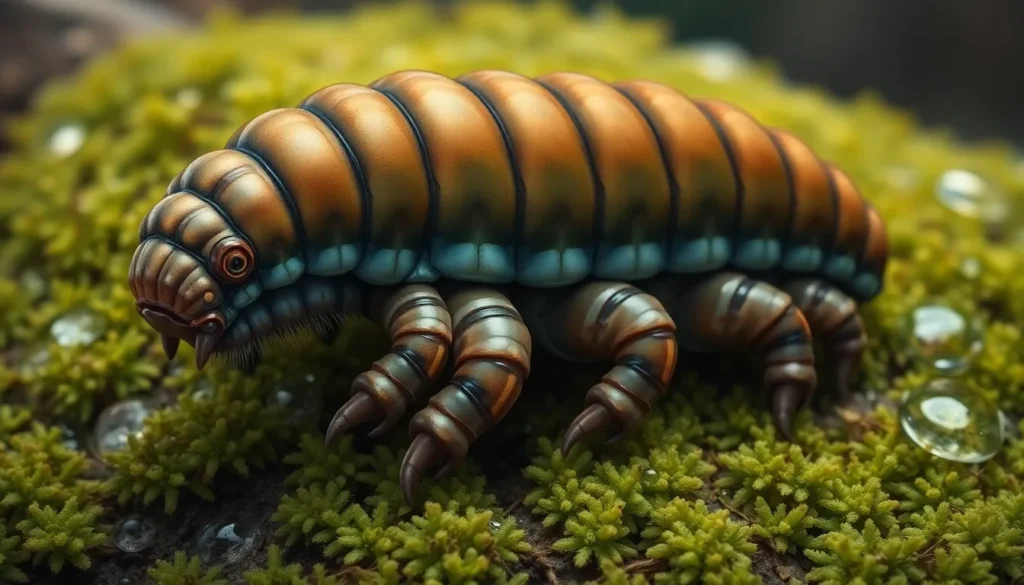
- Microscopic Size: Tardigrades typically measure between 0.3 and 0.5 millimeters in length, making them visible only under a microscope.
- Ancient Lineage: Fossil evidence suggests tardigrades have existed for over 500 million years, predating even the dinosaurs.
- Eight Legs: Each tardigrade has eight legs, each ending in claws or suction pads used for gripping surfaces.
- Water Dependence: They require a thin film of water to be active but can survive extreme dehydration by entering a dormant state.
- Cryptobiosis: Tardigrades can enter a state called cryptobiosis, where metabolic processes nearly stop, allowing survival in extreme conditions.
- Survival of Extreme Temperatures: They can endure temperatures as low as -272°C and as high as 150°C during cryptobiosis.
- Resistance to Radiation: Tardigrades exhibit remarkable resistance to high doses of ionizing radiation that would be lethal to most other life forms.
- Survival in Space: They are among the few animals known to survive exposure to outer space vacuum and cosmic radiation.
- Diet: Most tardigrades feed on plant cells, algae, and small invertebrates by piercing cell walls with their stylets.
- Reproduction: Tardigrades reproduce sexually and asexually, depending on species, often laying eggs in their molted cuticle.
- Global Distribution: They are found in diverse environments worldwide, from mountaintops to ocean floors.
- Habitat Diversity: While commonly found in mosses and lichens, tardigrades also inhabit freshwater, marine environments, and soil.
- Body Structure: Their bodies are segmented, with a tough cuticle that they molt periodically.
- Slow Movement: They move slowly by coordinating their legs in a lumbering gait, earning them the nickname “water bears.”
- Lack of Respiratory System: Tardigrades do not have specialized respiratory organs and rely on diffusion for gas exchange.
- Genome Complexity: Some species have genomes with unique adaptations, possibly contributing to their resilience.
- Symbiotic Relationships: Certain tardigrades host symbiotic bacteria, although the nature of these relationships is still under study.
- Molting Process: They periodically shed their outer cuticle to grow, often laying eggs during this time.
- Use as Bioindicators: Due to their sensitivity to environmental changes, tardigrades can serve as indicators of ecosystem health.
- Scientific Interest: Their durability makes them subjects of research in astrobiology, genetics, and stress tolerance studies.
- Not Insects or Crustaceans: Although related to arthropods, tardigrades form their own distinct phylum, Tardigrada.
Habitat and Behavior
Tardigrades inhabit a wide range of environments across the globe. They are commonly found in moist habitats such as moss, lichens, leaf litter, and freshwater bodies, but some species also dwell in marine sediments. Their ability to tolerate desiccation allows them to survive in temporarily dry environments by entering cryptobiosis, a state of suspended animation. In this state, tardigrades retract their legs and lose almost all body water, becoming a tun, which can endure extreme external conditions for extended periods. When water becomes available again, they rehydrate and resume normal activity. During active phases, tardigrades move slowly using their eight legs and feed by piercing plant cells or small invertebrates with their stylets.
Why This Animal Matters
Tardigrades contribute to ecosystem functioning by participating in nutrient cycling and serving as part of the microfaunal food web. Their resilience to extreme environmental stressors has made them valuable models in scientific research, helping to advance understanding of cellular protection, DNA repair, and potential life survival in space. Additionally, tardigrades’ ability to survive in harsh conditions has implications for astrobiology and the study of life’s limits on Earth and beyond. Although not currently endangered, their sensitivity to environmental changes also positions them as useful bioindicators for monitoring ecosystem health.
Common Misconceptions
Misconception: Tardigrades are indestructible.
Correction: While tardigrades can survive extreme conditions by entering cryptobiosis, they are vulnerable to damage during their active, hydrated state and can be killed by certain environmental factors.
Misconception: Tardigrades are insects.
Correction: Tardigrades belong to their own distinct phylum, Tardigrada, and are not classified as insects or crustaceans despite some superficial similarities.
Misconception: Tardigrades can survive space indefinitely.
Correction: Studies show tardigrades can survive short-term exposure to space, but long-term survival in space without protection is not established.
FAQ
What are tardigrades?
Tardigrades, also known as water bears, are microscopic, eight-legged animals known for their resilience and ability to survive extreme environments.
How do tardigrades survive extreme conditions?
They enter a state called cryptobiosis where their metabolism nearly stops, allowing them to endure dehydration, temperature extremes, radiation, and even the vacuum of space.
Where can tardigrades be found?
Tardigrades are found worldwide in diverse habitats including moss, lichens, freshwater, marine environments, and soil.



Leave a Reply