
Short Answer
21 Facts About Factory Farming Conditions
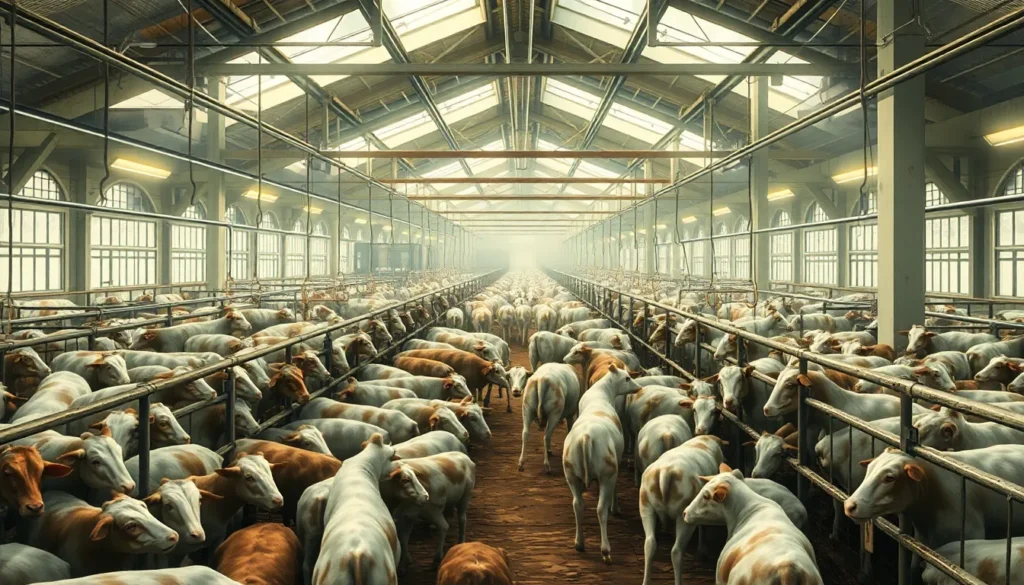
- High Animal Density: Factory farms typically house large numbers of animals in confined spaces, resulting in limited movement and overcrowding.
- Use of Gestation Crates and Battery Cages: Many factory farms use restrictive enclosures such as gestation crates for pigs and battery cages for laying hens, which limit natural behaviors.
- Rapid Growth Practices: Animals are often bred and fed to grow faster than naturally possible, sometimes leading to health problems like lameness or organ failure.
- Limited Access to the Outdoors: Most animals in factory farms have little to no outdoor access, reducing opportunities for natural behaviors and exposure to natural environments.
- Routine Use of Antibiotics: Antibiotics are frequently administered to prevent disease outbreaks in densely populated conditions, contributing to concerns over antibiotic resistance.
- Environmental Pollution: Waste from factory farms can contaminate soil, water, and air, often due to large volumes of manure and inadequate waste management.
- Stress and Behavioral Issues: Animals may exhibit stereotypic behaviors such as pacing or bar biting, often attributed to confinement stress.
- Mechanical Feeding Systems: Automated or mechanical feeders and waterers are common, reducing human-animal interaction but ensuring consistent supply of feed and water.
- Selective Breeding: Animals are selectively bred for traits like rapid weight gain or high egg production, sometimes at the expense of overall health.
- Lighting Control: Artificial lighting is used to manipulate growth cycles and productivity, often disrupting natural circadian rhythms.
- Limited Veterinary Care Access: Veterinary attention is often focused on herd health rather than individual animals, given the scale of operations.
- Use of Hormones: In some regions, growth hormones are used to enhance production, though this practice is regulated or banned in others.
- Transportation Stress: Animals are frequently transported under stressful conditions for slaughter or relocation, sometimes over long distances.
- Slaughtering Practices: Methods vary but are often designed for efficiency, sometimes raising concerns about animal welfare during the process.
- Noise Levels: Factory farms can be noisy environments due to machinery and large numbers of animals, which may contribute to stress.
- Temperature Control: Climate control systems are used to maintain optimal temperatures, but failures can lead to heat stress or cold exposure.
- Feed Composition: Diets are formulated for maximum growth and productivity, often including grains, supplements, and additives.
- Regulatory Oversight: Conditions are subject to varying degrees of regulation depending on the country, with some enforcing animal welfare standards and others less so.
- Worker Health and Safety: Farm workers face occupational hazards related to exposure to dust, chemicals, and repetitive tasks.
- Technological Advances: Innovations such as precision livestock farming aim to monitor animal health and welfare more closely.
- Public Awareness and Criticism: Factory farming conditions have been a subject of public debate, with calls for improved animal welfare and environmental sustainability.
Habitat and Behavior
Factory-farmed animals typically live in highly controlled indoor environments designed to maximize production efficiency. These environments often restrict natural behaviors such as foraging, nesting, and social interaction. The animals are usually kept in confined spaces such as cages, crates, or densely packed pens, which can hinder movement and natural behavior patterns. Their diet is tightly regulated to promote rapid growth or high productivity, and environmental factors such as lighting and temperature are artificially controlled. These conditions contrast sharply with the animals’ natural habitats, where they would roam freely, engage in social behaviors, and adapt to seasonal changes.
Why This Animal Matters
Animals raised in factory farms play a significant role in global food production, providing a major source of meat, dairy, and eggs. Their production supports a large portion of human protein consumption worldwide. However, the conditions under which they are raised have ecological, ethical, and public health implications. Factory farming can contribute to environmental degradation through pollution and resource consumption. The welfare of these animals raises ethical concerns and influences consumer behavior. Additionally, practices such as routine antibiotic use have implications for human health due to antibiotic resistance. Understanding factory farming conditions is crucial for informed discussions on sustainable agriculture, animal welfare, and food security.
Common Misconceptions
- Misconception: Factory farming always provides poor animal welfare.
- Correction: While factory farming often involves restrictive conditions, some operations implement welfare improvements and adhere to regulations designed to enhance animal well-being.
- Misconception: Animals in factory farms are always unhealthy.
- Correction: Although some animals experience health problems related to intensive rearing, many receive veterinary care and management practices aimed at maintaining overall health.
- Misconception: Factory farms have no environmental impact.
- Correction: Factory farms can contribute significantly to environmental pollution and resource use, though efforts exist to mitigate these impacts through better waste management and sustainable practices.
FAQ
What is factory farming?
Factory farming is an intensive animal agriculture system that focuses on high-volume production by confining large numbers of animals in limited spaces.
How do factory farming conditions affect animal welfare?
Conditions such as overcrowding, confinement, and limited natural behaviors can cause stress and health issues for animals, though welfare levels vary by operation.
Are there regulations governing factory farming conditions?
Yes, many countries have regulations aimed at ensuring certain welfare standards, though enforcement and requirements differ widely.






Leave a Reply