
Short Answer
21 Facts About Rattlesnakes
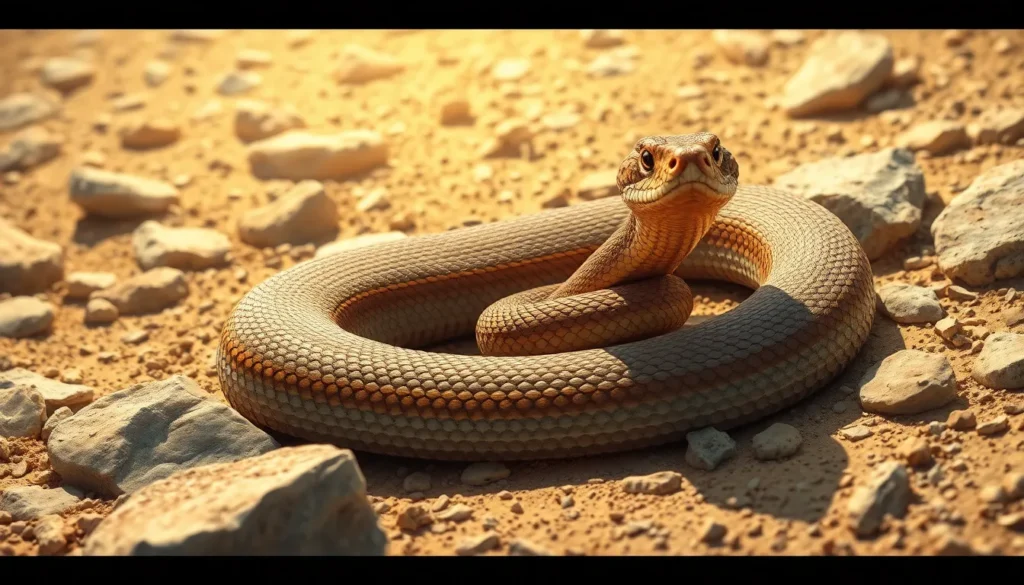
- Rattlesnakes belong to the genus Crotalus. They are part of the pit viper family and are characterized by the presence of a rattle at the end of their tails.
- The rattle is made of keratin. Each segment of the rattle is composed of keratin, the same material found in human hair and nails.
- Rattlesnake rattles develop after birth. New segments are added to the rattle each time the snake sheds its skin.
- Rattling serves as a warning signal. The sound warns potential predators or threats to stay away, reducing the chance of conflict.
- There are about 36 recognized species of rattlesnakes. They vary in size, color, and habitat preferences.
- Rattlesnakes have heat-sensing pits. Located between the eyes and nostrils, these pits detect infrared radiation from warm-blooded prey.
- They are primarily carnivorous. Their diet mainly consists of small mammals, birds, and reptiles.
- Rattlesnakes use venom to immobilize prey. Their venom is a complex mixture of enzymes and toxins that aid in digestion and subduing prey.
- Venom potency varies among species. Some species have venom that is more toxic to humans than others.
- Rattlesnake bites can be medically significant. While potentially dangerous, fatalities are rare with prompt medical treatment.
- They are ovoviviparous. Rattlesnakes give birth to live young rather than laying eggs.
- Newborn rattlesnakes have a small button rather than a full rattle. The initial rattle segment is called a button and is added to as the snake matures.
- Rattlesnakes have a distinctive triangular head. This shape is due to venom glands located on each side of the head.
- They are found primarily in the Americas. Their range extends from southern Canada to central Argentina.
- Rattlesnakes are most active during warmer months. They often brumate, a hibernation-like state, during cold weather.
- They rely heavily on camouflage. Their coloration helps them blend into their surroundings to avoid predators and ambush prey.
- Some species can live more than 20 years in the wild. Longevity varies depending on species and environmental conditions.
- Rattlesnakes use both venom and constriction. While primarily venomous, some species may also constrict prey to assist in subduing it.
- They play an important role in controlling rodent populations. By preying on rodents, rattlesnakes help maintain ecological balance.
- Human encroachment threatens some rattlesnake populations. Habitat destruction and persecution have led to declines in certain areas.
- Rattlesnakes are culturally significant in many indigenous and local traditions. They often appear in folklore, symbolism, and art throughout their range.
Habitat and Behavior
Rattlesnakes inhabit a variety of environments including deserts, grasslands, forests, and rocky hillsides across North and South America. They prefer areas that provide adequate cover for hunting and protection, such as brush, rock crevices, or burrows. Rattlesnakes are generally solitary animals except during mating season or when brumating in communal dens during colder months. Their behavior is primarily ambush predation, relying on camouflage and stealth to catch prey. They use their heat-sensing pits to detect warm-blooded animals even in low light conditions. When threatened, rattlesnakes typically warn with their characteristic rattle before resorting to biting as a defensive mechanism.
Why This Animal Matters
Rattlesnakes play a crucial ecological role by controlling populations of rodents and other small mammals, which can otherwise become pests or disease vectors. Their presence contributes to ecosystem health by maintaining balanced food webs. Additionally, rattlesnake venom has been the subject of medical research, leading to advances in drug development and treatments for conditions such as blood clots and heart disease. Culturally, rattlesnakes hold significance in many indigenous societies, symbolizing power, protection, and renewal. Conservation efforts are important for rattlesnakes, as habitat loss and human persecution threaten some species, impacting biodiversity and ecosystem stability.
Common Misconceptions
Misconception: All rattlesnake bites are deadly.
Correction: While rattlesnake venom is dangerous, fatalities are rare with timely medical treatment and antivenom. Most bites result in non-lethal injuries.
Misconception: Rattlesnakes always rattle before striking.
Correction: Rattlesnakes may strike without warning if startled or threatened suddenly. Rattling is a defensive behavior but not guaranteed before a bite.
Misconception: Rattlesnakes are aggressive and seek out humans.
Correction: Rattlesnakes generally avoid humans and bite only in self-defense. They prefer to escape rather than confront.
FAQ
Are rattlesnakes aggressive toward humans?
Rattlesnakes generally avoid humans and only bite in self-defense when threatened or provoked.
How can you tell if a rattlesnake is nearby?
Most rattlesnakes produce a distinctive rattling sound as a warning when they feel threatened, but they can also remain silent and well-camouflaged.
What should you do if bitten by a rattlesnake?
Seek immediate medical attention, keep the affected limb immobilized and at or slightly below heart level, and avoid cutting or sucking the wound.


Leave a Reply