
Short Answer
21 Facts About Animals in Chinese Zodiac
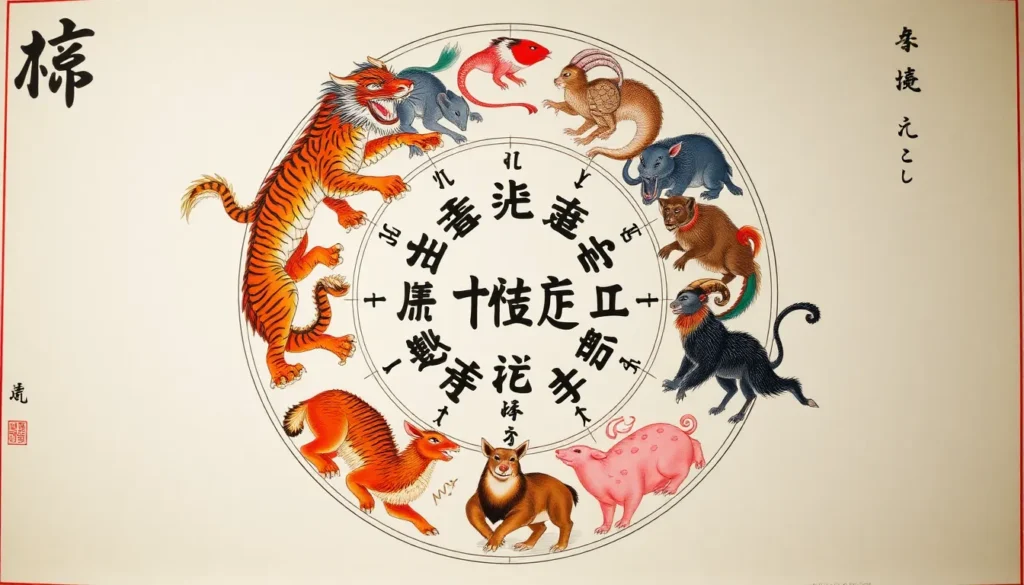
- The Chinese Zodiac consists of twelve animals: Rat, Ox, Tiger, Rabbit, Dragon, Snake, Horse, Goat, Monkey, Rooster, Dog, and Pig. Each animal represents a year in a 12-year cycle.
- The order of the animals is linked to a traditional legend: The Great Race, where animals competed to cross a river to determine their order in the zodiac.
- The Rat is the first animal in the zodiac cycle: It is said to have used cleverness to arrive first by riding on the Ox’s back and jumping off at the last moment.
- The Dragon is the only mythical animal in the zodiac: Unlike the other animals, it represents power, strength, and good fortune in Chinese culture.
- Each zodiac animal is associated with specific personality traits: For example, Tigers are seen as brave and competitive, while Rabbits are gentle and compassionate.
- The zodiac animals correspond to the twelve Earthly Branches: This traditional Chinese system is used to designate years, months, and hours.
- Animals in the Chinese zodiac also align with the five elements: Wood, Fire, Earth, Metal, and Water, influencing the characteristics of that year’s animal sign.
- The Chinese zodiac is used for fortune-telling and personality analysis: People often consult their zodiac animal to understand compatibility and predict future events.
- The zodiac animals appear in various art forms: Including sculpture, paintings, and festivals, reflecting their cultural importance.
- The Ox symbolizes diligence and dependability: It is respected for its hard work and perseverance in traditional Chinese society.
- The Rooster is associated with punctuality and fidelity: Roosters crow at dawn, symbolizing reliability and honesty.
- Some animals in the zodiac have different symbolic meanings across Asia: For example, the Rabbit is replaced by the Cat in the Vietnamese zodiac.
- The Dog represents loyalty and honesty: It is regarded as a protective and faithful companion in Chinese culture.
- The Pig symbolizes wealth and honesty: It is considered a sign of prosperity and diligence.
- The Horse is admired for its energy and speed: It represents freedom and passion in Chinese symbolism.
- Goat (or Sheep) is linked to gentleness and creativity: It symbolizes peace and harmony in Chinese tradition.
- Monkeys are seen as intelligent and playful: They are often portrayed as clever problem solvers in Chinese stories.
- The Snake is associated with wisdom and mystery: It symbolizes intuition and introspection.
- Each zodiac animal governs a specific year: For example, 2024 is the Year of the Dragon, which is often considered auspicious.
- The zodiac system influences festivals: Such as the Lunar New Year, when the zodiac animal of the year is celebrated.
- The Chinese zodiac has influenced astrology worldwide: It has been integrated into cultural practices beyond China, including in Korea, Japan, and Southeast Asia.
Habitat and Behavior
The animals represented in the Chinese zodiac are both real and mythical, each occupying diverse natural habitats and exhibiting distinct behaviors. For instance, the Rat is a highly adaptable rodent found globally in urban and rural environments, known for its resourcefulness and nocturnal activity. The Ox, a domesticated bovine, thrives in agricultural settings and is known for its strength and endurance. Tigers inhabit forests and grasslands in Asia, recognized for their solitary and territorial nature, while Rabbits prefer grasslands and wooded areas, often living in burrows for protection.
Dragons, though mythical, are symbolic creatures embodying power and auspiciousness rather than real-world habitat. Snakes typically dwell in forests, deserts, and wetlands, exhibiting both camouflage and predatory behaviors. Horses are social and fast-moving animals, historically significant in transportation and agriculture. Goats (or Sheep) are domesticated and wild species adapted to mountainous and rugged terrains, known for their surefootedness. Monkeys inhabit tropical forests, displaying high intelligence and social complexity.
Roosters, domesticated birds, are integral to farm life and are known for their territorial crowing at dawn. Dogs, domesticated from wolves, exhibit diverse breeds and behaviors but generally serve as companions and protectors. Pigs are omnivorous mammals adapted to various environments and are valued for their adaptability and social behavior.

Why This Animal Matters
Each animal in the Chinese zodiac holds significant ecological, cultural, and symbolic importance. Ecologically, many represent species crucial to their ecosystems, such as the tiger, which is a keystone predator maintaining balance in its habitat. Culturally, these animals are deeply embedded in Chinese folklore, art, and spirituality, influencing personality traits, fortune-telling, and social customs.
For example, the Dragon, while mythical, is a central symbol of imperial authority and power in Chinese history. The Rat’s cleverness and resourcefulness symbolize adaptability and survival, valued traits in Chinese philosophy. The Ox’s association with hard work reflects the agrarian roots of Chinese civilization. Additionally, the zodiac animals foster social cohesion during celebrations like Lunar New Year, where their symbolism promotes unity and cultural identity.
Conservation-wise, some zodiac animals such as the tiger face threats from habitat loss and poaching, making their preservation a concern for biodiversity. The prominence of these animals in popular culture also raises awareness about wildlife conservation in Asia and beyond.
Common Misconceptions
Misconception: The Chinese zodiac animals are random selections.
Correction: The twelve animals were carefully chosen based on ancient legends and cultural symbolism, reflecting traits valued in Chinese society and natural cycles.
Misconception: The zodiac animals dictate a person’s fate unequivocally.
Correction: While the Chinese zodiac influences personality and fortune-telling, it is one of many cultural tools for reflection and should not be seen as deterministic.
Misconception: All animals in the Chinese zodiac are real animals.
Correction: The Dragon is a mythical creature symbolizing power and good fortune, unlike the other real animals in the zodiac.
Misconception: The Chinese zodiac is the same across all Asian cultures.
Correction: Variations exist, such as the Vietnamese zodiac replacing the Rabbit with the Cat, reflecting regional adaptations.
FAQ
What is the origin of the Chinese Zodiac animals?
The Chinese Zodiac animals originate from ancient Chinese folklore, particularly the legend of the Great Race, which explains the order of the twelve animals based on a mythical race across a river.
Are all animals in the Chinese Zodiac real?
No, eleven of the animals are real, such as the Rat, Tiger, and Dog, but the Dragon is a mythical creature symbolizing power and good fortune.
How is the Chinese Zodiac used in daily life?
The Chinese Zodiac is used for personality assessments, compatibility analysis, and fortune-telling, especially during celebrations like the Lunar New Year.





Leave a Reply