
Short Answer
21 Facts About Cleaner Fish and Clients
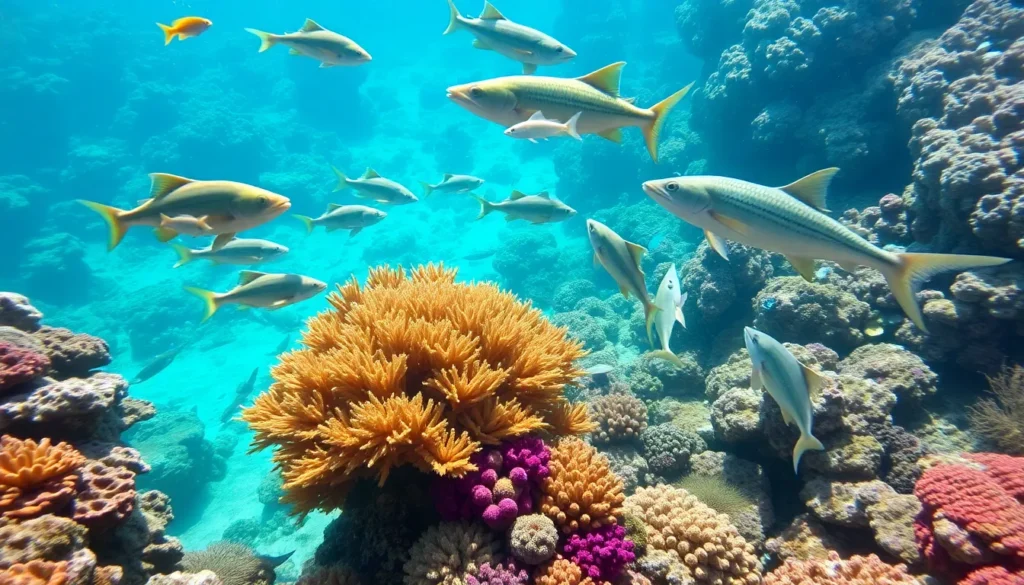
- Mutualistic Relationship: Cleaner fish and their clients engage in a mutualistic symbiosis where the cleaner fish remove parasites, dead skin, and mucus from the client fish, benefiting both parties.
- Multiple Species: Several species act as cleaner fish, including cleaner wrasses (Labroides spp.), cleaner gobies, and some species of lumpfish.
- Cleaning Stations: Cleaner fish often establish specific locations called cleaning stations where clients come to be serviced.
- Client Diversity: Clients include a wide range of species such as groupers, moray eels, sharks, and rays, demonstrating the broad ecological impact of cleaner fish.
- Communication Signals: Clients signal their willingness to be cleaned by adopting specific postures or colors, facilitating the interaction.
- Cheating Behavior: Some client fish may exploit cleaners by biting them instead of being cleaned, while some cleaners cheat by feeding on healthy tissue instead of parasites.
- Juvenile Behavior: Juvenile cleaner fish sometimes mimic cleaner species to exploit clients, a behavior known as aggressive mimicry.
- Cleaning Benefits: Cleaning reduces parasite loads, improves client health, and may increase client survival and reproductive success.
- Cleaner Fish Diet: While primarily feeding on ectoparasites and dead tissue, cleaner fish also consume mucus and occasionally small invertebrates.
- Mutual Respect: Many clients allow the cleaner fish to approach vulnerable areas such as the mouth and gills, demonstrating trust in the interaction.
- Social Learning: Cleaner fish can learn from each other and adjust their cleaning strategies based on client preferences and behaviors.
- Predators as Clients: Even predatory fish like sharks have been observed seeking cleaning services, indicating the importance of these interactions across trophic levels.
- Impact on Reef Health: Cleaning mutualisms contribute to coral reef resilience by reducing parasite loads and disease spread among reef fish.
- Seasonal Variations: Cleaner fish activity and client visits can fluctuate seasonally, influenced by environmental factors and parasite prevalence.
- Cleaning in Captivity: Cleaner fish behavior has been observed in aquariums, but the dynamics differ due to confined spaces and altered community interactions.
- Role in Fish Behavior Studies: Cleaner-client interactions serve as model systems for studying cooperation, communication, and conflict in animals.
- Physical Adaptations: Cleaner fish often have specialized mouthparts or body shapes to facilitate parasite removal.
- Life Cycle: Some cleaner fish undergo ontogenetic shifts, changing their cleaning behavior or habitats as they mature.
- Impact of Overfishing: Overfishing of cleaner species or their clients can disrupt these mutualisms and negatively affect reef ecosystems.
- Parasite Specificity: Cleaner fish can distinguish between harmful parasites and beneficial organisms on clients, selectively removing only the former.
- Evolutionary Significance: The evolution of cleaning mutualisms illustrates complex interspecies cooperation and has been a subject of extensive evolutionary biology research.
Habitat and Behavior
Cleaner fish inhabit primarily tropical and subtropical marine environments, especially coral reefs where biodiversity is high. They establish cleaning stations, often marked by specific physical landmarks such as coral outcrops or sponges, where they perform cleaning services. These fish exhibit complex behaviors including client recognition, signaling readiness to clean, and avoiding predation during interactions. Clients visit cleaning stations regularly, sometimes traveling considerable distances to receive cleaning. Cleaner fish survive largely by consuming ectoparasites and dead skin from clients, while clients benefit from parasite removal and improved health. This mutualistic behavior promotes biodiversity and ecosystem stability on coral reefs and associated habitats.
Why This Animal Matters
Cleaner fish play a crucial ecological role by maintaining the health of other fish species through parasite removal. This interaction reduces the spread of diseases, enhances the longevity and fitness of client fish, and supports the overall balance of marine ecosystems. Culturally, cleaner fish have been subjects of scientific research and public interest due to their unique cooperative behavior. Conservation of cleaner fish species and their habitats is important as disruptions can lead to increased parasite loads, impacting fish populations and coral reef health. Understanding cleaner fish mutualisms also provides insights into cooperative behavior, communication, and evolutionary biology.
Common Misconceptions
Misconception: Cleaner fish only clean small, harmless fish.
Correction: Cleaner fish serve a wide range of clients, including large predatory species such as sharks and groupers, which rely on their services for parasite removal.

Misconception: The relationship between cleaner fish and clients is always harmonious.
Correction: While generally mutualistic, some interactions involve cheating by either party—cleaners may bite healthy tissue, and clients may sometimes attack cleaners.
FAQ
What do cleaner fish eat?
Cleaner fish primarily feed on ectoparasites, dead skin, and mucus removed from the bodies of client fish, which provides them with nutrition while benefiting the clients.
How do client fish signal they want to be cleaned?
Client fish often display specific postures such as opening their mouths or gill covers and remaining still near cleaning stations to signal their readiness for cleaning.
Are cleaner fish immune to predation by their clients?
Cleaner fish are generally not preyed upon by their clients during cleaning interactions due to evolved signals and mutual trust, although occasional cheating or predation events can occur.


Leave a Reply