
Short Answer
21 Facts About Sea Turtles
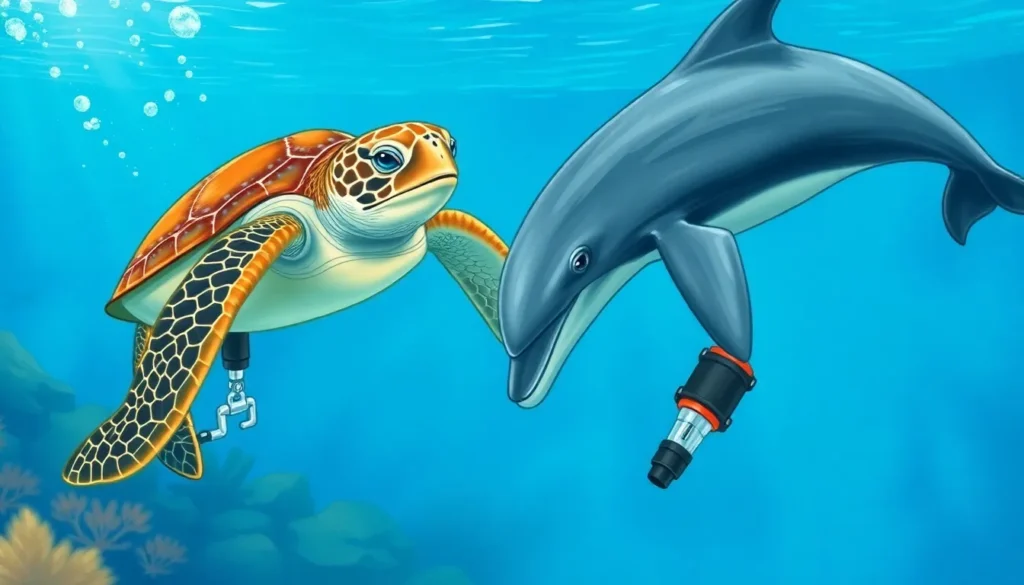
- Prosthetic Flippers: Many sea turtles have received prosthetic flippers to aid in their rehabilitation after injuries, allowing them to swim more efficiently.
- Innovative Materials: The materials used in sea turtle prosthetics often include lightweight and durable substances, such as plastics and silicone.
- Successful Rehabilitation: Cases like that of a turtle named ‘Gigi’ demonstrate the effectiveness of prosthetic limbs in helping injured turtles reintegrate into the wild.
- Veterinary Expertise: Specialized veterinarians and marine biologists collaborate to create and fit prosthetics for sea turtles.
- Global Efforts: Various marine rescue organizations around the world are engaged in developing and providing prosthetic solutions for injured sea turtles.
- 3D Printing Technology: Advancements in 3D printing technology have revolutionized the creation of prosthetic limbs for sea turtles.
- Age and Size Considerations: The age and size of a turtle influence the design and fitting of the prosthetic.
- Behavioral Changes: Studies suggest that turtles fitted with prosthetics can exhibit improved behavior and mobility.
- Public Awareness: The success stories of prosthetic sea turtles often attract media attention, raising awareness about marine conservation.
- Ethical Considerations: The use of prosthetics in animals raises ethical questions about intervention in nature.
Prosthetics can be custom-designed to accommodate the unique anatomy of different sea turtle species, enhancing their ability to navigate their aquatic environment.
These materials ensure that the prosthetic limbs are functional while minimizing any additional burden on the turtle.
Gigi was fitted with a prosthetic flipper that allowed her to swim naturally again, showcasing the potential of this intervention.
This collaboration ensures that the prosthetics are not only functional but also safe for the turtles.
This global effort highlights the widespread commitment to marine conservation and animal welfare.
3D printing allows for rapid prototyping and customization, making it easier to fit devices to individual turtles.
Younger turtles may require more frequent adjustments as they grow, necessitating ongoing care.
These improvements can lead to a higher survival rate upon release back into their natural habitats.
Such stories can inspire public interest and support for marine protection efforts.
Conservationists must weigh the benefits of rehabilitation against the potential impacts on natural selection.
21 Facts About Dolphins
- Dolphin Prosthetics: Dolphins have also benefited from prosthetics, particularly after sustaining injuries from fishing gear or boat strikes.
- Unique Design: Prosthetic devices for dolphins are often custom-designed to mimic the natural shape and functionality of their fins.
- Marine Rescue Centers: Facilities dedicated to marine mammal rehabilitation often have specialized teams that focus on creating prosthetics for dolphins.
- Notable Cases: One famous case includes a dolphin named ‘Winter,’ who had a prosthetic tail that allowed her to swim and interact with other dolphins.
- Prosthetic Innovation: The design of dolphin prosthetics has evolved significantly, incorporating materials that allow flexibility and buoyancy.
- Behavioral Adaptation: Dolphins fitted with prosthetics often adapt remarkably well, resuming normal behaviors such as foraging and socializing.
- Training and Rehabilitation: Dolphins may undergo training to help them adjust to their prosthetics, ensuring that they can use them effectively.
- Global Impact: The work done on dolphin prosthetics has implications for marine conservation and animal welfare worldwide.
- Awareness Campaigns: The stories of dolphins with prosthetics often lead to increased public interest in ocean conservation.
- Future Research: Ongoing research aims to improve the design and functionality of prosthetics for marine animals.
These interventions can significantly enhance their mobility and quality of life.
Attention to detail is crucial to ensure that the prosthetics do not impede natural behaviors.
These teams include veterinarians, engineers, and marine biologists working together.
Winter’s story has raised substantial awareness about marine animal injuries and rehabilitation.
This innovation enhances the comfort and functionality of the devices in aquatic environments.
This ability showcases the intelligence and resilience of these marine mammals.
Such training includes exercises that promote natural swimming and diving behaviors.
It inspires similar efforts for other injured marine species.
Awareness campaigns highlight the need to reduce human impacts on marine life.
This research is vital for enhancing the rehabilitation outcomes for injured dolphins and other marine species.
Habitat and Behavior
Sea turtles inhabit various marine environments, ranging from coastal waters to open ocean. They are known for their migratory behavior, often traveling long distances to reach nesting sites. Dolphins are typically found in shallow coastal waters and are known for their social structures, forming pods and displaying complex communication skills. Both species rely on their respective habitats for food, safety, and breeding.
Why This Animal Matters
Sea turtles play a crucial role in marine ecosystems by maintaining healthy seagrass beds and coral reefs. They contribute to nutrient cycling and are indicators of ocean health. Dolphins, as apex predators, help regulate fish populations and contribute to the balance of marine ecosystems. Both species are culturally significant, featuring prominently in folklore and conservation efforts.
Common Misconceptions
Misconception: Prosthetics are not effective for marine animals.
Correction: Prosthetics have proven to significantly enhance the mobility and quality of life for injured marine animals like sea turtles and dolphins.
Misconception: Animals with prosthetics cannot survive in the wild.
Correction: Many animals fitted with prosthetics have successfully adapted and been released back into their natural habitats.
FAQ
How are prosthetics created for marine animals?
Prosthetics are created using 3D printing and custom designs tailored to the animal's anatomy.
What types of injuries lead to the need for prosthetics?
Common injuries include those from fishing gear entanglement, boat strikes, and infections.
Can animals with prosthetics be released back into the wild?
Yes, many animals have successfully adapted and been released into their natural habitats.

Leave a Reply