
Short Answer
Our planet is a marvelous tapestry of life, woven together by the intricate threads of the animal kingdom. Each species plays a vital role in sustaining ecosystems, illustrating the delicate interconnectedness of nature. In this exploration of wildlife, we shall delve into eight fascinating facts that promise to shift your perspective on the animal kingdom and pique your curiosity about the remarkable creatures that inhabit our world.
1. The Intelligence of Cephalopods
Among the most enigmatic residents of the ocean depths are cephalopods, particularly octopuses, squids, and cuttlefish. These remarkable creatures exhibit a level of intelligence that continuously astounds researchers. Equipped with sophisticated problem-solving skills, octopuses have been observed using tools, such as coconut shells for shelter or even as makeshift weapons. They are adept at camouflaging themselves, altering their skin color and texture to blend into their environments, showcasing a mastery of visual communication. This extraordinary adaptability, paired with their intricate nervous systems, invites us to reconsider the complexities of consciousness outside of traditional mammalian frameworks.
2. The Secrets of Animal Migration
Migration is one of nature’s grand spectacles, encompassing vast distances and myriad species. The annual journey of the monarch butterfly, for instance, involves an astonishing voyage of up to 3,000 miles from North America to central Mexico, often navigating without the guidance of a map. Similarly, the Arctic Tern takes the crown for the longest migratory route of any animal, traveling approximately 44,000 miles each year between its breeding and wintering grounds. Such epic journeys not only reveal the extraordinary navigational abilities of these creatures but also highlight the shifting climatic and geographic challenges they face in their quests for survival.
3. The Communication Skills of Elephants
Elephants are not just the largest land mammals; they are also proficient communicators with an impressive array of vocalizations and non-verbal cues. Their ability to communicate over long distances through infrasound—the low-frequency sound waves inaudible to humans—allows them to convey messages about food sources, threats, and social dynamics to fellow herd members. Additionally, elephants display remarkable empathy and social bonding, often supporting one another in times of distress, which urges us to reevaluate our understanding of intelligence and social structures among animals.
4. The Enigmatic World of Bioluminescence
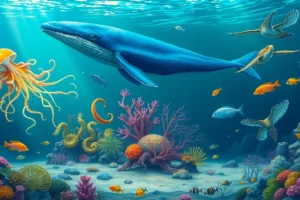
The phenomenon of bioluminescence illuminates the depths of the ocean, with creatures employing this dazzling ability for various purposes, such as predation, warding off threats, and communication. Organisms, ranging from the ethereal jellyfish to the elusive anglerfish, harness this scientific marvel, producing light through biochemical reactions within their bodies. On land, fireflies employ their own form of bioluminescence to attract mates. The mesmerizing glow of these organisms invites us to contemplate the novel adaptations that have evolved under the cloak of darkness.
5. Symbiosis: A Culinary Dialogue
Symbiotic relationships are a testament to the co-evolution of species, driven by mutual benefits that are sometimes astonishing in their complexity. The relationship between clownfish and sea anemones exemplifies this beautifully; clownfish receive protection from predators by nesting within the stinging tentacles of the anemone, while the anemones benefit from the nutrients provided by the clownfish’s waste. This culinary dialogue not only highlights the interconnectedness of life but also reveals how species have evolved collaboratively, adapting to and depending on one another for sustenance and survival.
6. The Magnificence of the Animal Kingdom’s Architects
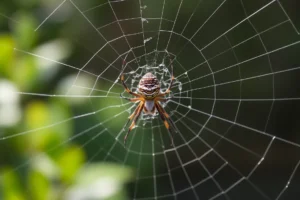
Many species within the animal kingdom are master architects, demonstrating engineering prowess that rivals human innovation. Termites construct towering mounds that serve as complex climate-controlled habitats, while beavers create dams that shape entire ecosystems, affecting waterways and the creatures inhabiting them. The intricate webs spun by spiders not only serve as traps but also exhibit stunning designs that reflect the functionality of their purpose. These architects of the animal world remind us of the innate ability of species to manipulate their environments in ways that showcase ingenuity and resilience.
7. The Role of Play in Animal Behavior
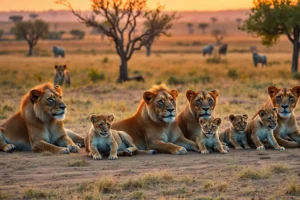
Play is often perceived as a frivolous activity within the animal kingdom, yet it serves as a crucial learning tool for many species. Young mammals, including puppies, kittens, and even young elephants, engage in play to develop essential skills for adulthood, such as hunting, socializing, and navigating their environments. This playful behavior fosters bonds, teaching them about cooperation and competition. Studies indicate that play not only boosts physical fitness but also enhances cognitive development, challenging conventional views on the significance of play outside of human contexts.
8. The Threat of Extinction: A Call to Action
As we explore the wonders of the animal kingdom, it is vital to address the grim reality many species face amid environmental degradation and habitat loss. The extinction rate has accelerated alarmingly in recent years, with human activities playing a pivotal role in this crisis. Every lost species represents a chapter erased from the intricate book of biodiversity, impacting ecosystems and humanity alike. Understanding our role in protecting these species encourages a shared responsibility toward conservation, compelling us to engage with the natural world not just as observers but as stewards of life.
As we reflect on these eight captivating facets of the animal kingdom, we are brought face-to-face with the intricate layers of life that exist on Earth. These facts challenge us to expand our perspectives, inviting curiosity and admiration for the diverse inhabitants of our shared planet. The animal kingdom is more than just a collection of species; it is a testament to the resilience, complexity, and beauty of life itself, beckoning us to explore, learn, and protect. In fostering this newfound appreciation, we ultimately enrich our moral obligation to safeguard the wonders that grace our world.
FAQ
What makes cephalopods intelligent?
Cephalopods such as octopuses and squids demonstrate advanced problem-solving skills, tool use, and camouflage abilities, supported by their complex nervous systems.
Why do animals migrate long distances?
Animals migrate to access favorable breeding, feeding, or climatic conditions, often traveling thousands of miles to survive and reproduce.
How do elephants communicate over long distances?
Elephants use infrasound, low-frequency sound waves inaudible to humans, to communicate messages about food, threats, and social dynamics across large distances.
What is bioluminescence and which animals use it?
Bioluminescence is the production of light through biochemical reactions; animals like jellyfish, anglerfish, and fireflies use it for communication, predation, and mating.
What role does play have in animal behavior?
Play helps young animals develop essential skills such as hunting and social interaction, fostering cognitive development and physical fitness.
Why is extinction a critical issue in the animal kingdom?
Extinction leads to loss of biodiversity and disrupts ecosystems, often driven by human activities such as habitat destruction and environmental degradation.
Leave a Reply