
Short Answer
21 Facts About Lion Prides
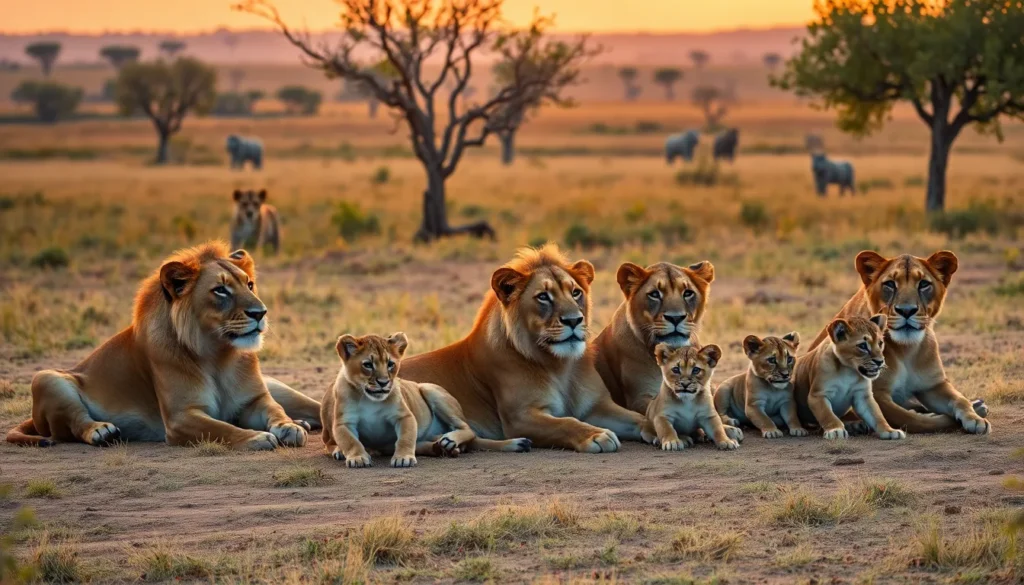
- Prides are social groups of lions. Unlike most big cats, lions live in groups called prides, which usually consist of related females, their offspring, and a coalition of males.
- Average pride size varies. Prides typically contain between 3 to 30 lions, but the size depends on habitat and prey availability.
- Female lions form the core of the pride. Related females usually stay together for life, cooperating in hunting and cub-rearing.
- Male lions often form coalitions. Male lions may band together in coalitions of 2 to 4 to take control of prides and defend territory.
- Prides have defined territories. Territories can range from 20 to 400 square kilometers and are actively defended against intruders.
- Male tenure in prides is limited. Males typically control a pride for 2 to 4 years before being ousted by challengers.
- Cubs are raised communally. Lionesses synchronize births and help each other protect and feed the cubs.
- Females do most of the hunting. Lionesses usually hunt cooperatively, increasing success rates, especially when targeting large prey.
- Males defend the pride. Male lions primarily protect the pride’s territory from rival males and other threats.
- Prides communicate vocally and visually. Roars can be heard up to 8 kilometers away, serving to communicate territory boundaries and social status.
- Social bonds are maintained by grooming. Lions groom each other to reinforce social ties within the pride.
- Coalition males may be related or unrelated. Some male coalitions are composed of brothers, others of unrelated males cooperating for mutual benefit.
- Infanticide occurs when new males take over. Incoming males may kill existing cubs to bring females into estrus sooner.
- Prides usually have multiple adult females. The presence of several females allows for cooperative care and hunting.
- Dominance hierarchies exist within prides. Both males and females have social rankings that influence access to food and mating opportunities.
- Prides adapt to environment and prey availability. Pride size and behavior can change according to local conditions and competition.
- Communication includes scent marking. Lions use scent glands to mark territory boundaries and convey information about pride members.
- Prides can be transient or stable. Some prides are stable over years, while others may undergo frequent changes in membership.
- Shared parenting increases cub survival. Cooperative care by lionesses enhances protection and feeding of young lions.
- Male coalitions help maintain genetic diversity. By displacing resident males, coalitions reduce inbreeding within prides.
- Prides contribute to ecological balance. As apex predators, prides regulate herbivore populations, affecting ecosystem dynamics.
Habitat and Behavior
Lion prides primarily inhabit savannas, grasslands, and open woodlands across sub-Saharan Africa, with a small population in India’s Gir Forest. Their social structure allows them to effectively hunt large prey such as wildebeests, zebras, and buffaloes. The cooperative nature of the pride enhances hunting success and cub survival. Lions are territorial animals; prides defend their ranges from rival groups through vocalizations, scent marking, and physical confrontations. Social behaviors such as grooming and cooperative cub rearing strengthen group cohesion. Male lions, often in coalitions, assume the role of pride defenders, protecting females and cubs from threats including other males and predators.
Why This Animal Matters
Lion prides play a crucial role in maintaining the balance of their ecosystems by controlling herbivore populations, which in turn influences vegetation and biodiversity. Their presence is an indicator of ecosystem health. Culturally, lions have been symbols of strength and majesty across numerous societies for millennia. Conservation-wise, lion prides face threats from habitat loss, human-wildlife conflict, and poaching, making their study and protection important for biodiversity preservation. Understanding pride dynamics aids conservationists in managing populations and mitigating conflicts with humans.
Common Misconceptions
Misconception: Lions are solitary animals like other big cats.
Correction: Lions are uniquely social among big cats, living in prides that facilitate cooperative hunting and cub rearing.
Misconception: Male lions do most of the hunting.
Correction: Female lions are the primary hunters within the pride, while males mostly defend territory.
Misconception: Lion prides are always stable and peaceful.
Correction: While prides maintain social bonds, there can be intense competition and conflict, especially during male takeovers and over dominance hierarchies.
FAQ
Why do lions live in prides while other big cats are solitary?
Lions evolved social structures to improve hunting success and cub survival. Living in prides allows cooperative hunting of large prey and communal care of offspring, which is rare among big cats.
What roles do male lions play in the pride?
Male lions primarily defend the pride’s territory and protect females and cubs from rival males and other threats. They also sire offspring but typically do not participate extensively in hunting.
How do lionesses cooperate within a pride?
Lionesses often hunt together, synchronize their reproductive cycles to collectively raise cubs, and share responsibilities such as guarding and feeding the young to increase their survival chances.





Leave a Reply