
Short Answer
21 Facts About Marlin Bill Use
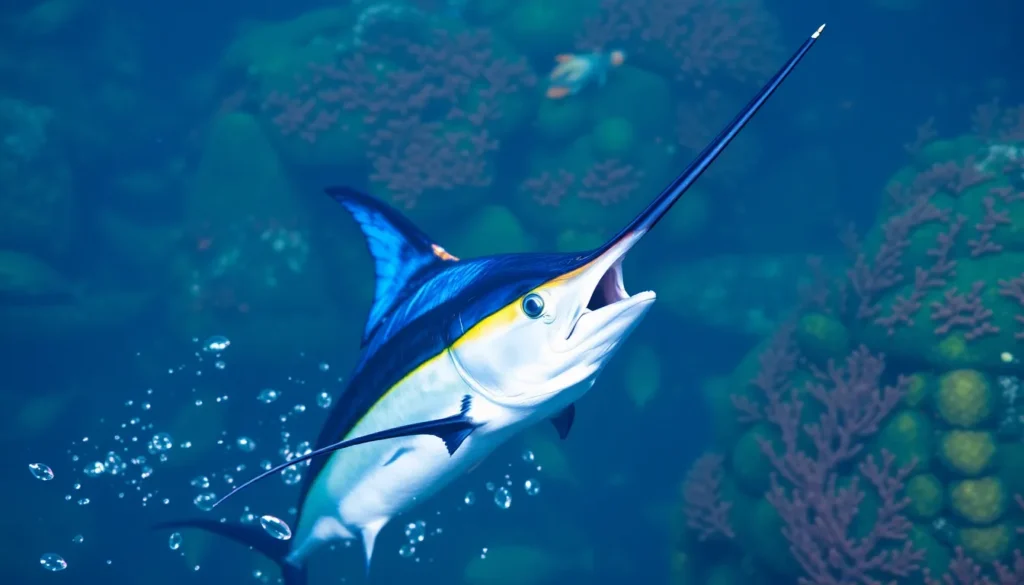
- Marlin bills are elongated, spear-like structures. They serve as the billfish’s primary tool for hunting, allowing them to slash through schools of fish.
- The marlin bill is made of a material called rostrum. This hard, bony structure is primarily composed of a protein called collagen.
- Marlin bills can reach lengths of up to 4 feet. The size varies by species, with the black marlin having the longest bills.
- Marlin bills are often used in traditional crafts. Various cultures, especially in coastal regions, carve marlin bills into decorative items and tools.
- Marlin fishing is a popular sport. Anglers often target marlin for their size and fighting ability, making them prized catches in sport fishing.
- Marlin bills are sometimes used in jewelry. Artisans create unique pieces, such as pendants and earrings, from polished marlin bills.
- Marlin billfish are ecologically important. They occupy a key role in marine ecosystems as apex predators, helping to maintain fish population balance.
- Marlin populations are threatened by overfishing. Conservation efforts are underway worldwide to protect these species and their habitats.
- Marlin bills are featured in cultural symbols. In some cultures, they symbolize strength and resilience, often appearing in local art.
- Some fishermen use marlin bills as bait. The bill’s unique structure can attract other fish species, making it a useful tool in fishing.
- Marlin bills are lightweight despite their size. This allows marlin to maneuver quickly in the water, aiding in their hunting strategies.
- Marlin can swim at speeds up to 68 miles per hour. This high speed is beneficial for escaping predators and catching prey.
- Marlin bills have inspired technological innovations. Their aerodynamic shape has influenced the design of certain marine equipment.
- Marlin fishing tournaments are held worldwide. These events often promote conservation and sustainable fishing practices.
- Marlin bills are often displayed in trophy fishing. Many anglers mount marlin bills as trophies to showcase their catches.
- Marlin are migratory fish. They can travel long distances, often following warmer waters and food sources.
- Marlin can live for several years. Their lifespan can reach up to 20 years, depending on species and environmental conditions.
- Marlin bills are not used as weapons. Despite their spear-like appearance, they are not designed for offense and are primarily for hunting.
- Marlin fishing is regulated in many regions. Regulations help ensure sustainable practices and the long-term health of marlin populations.
- Marlin bills are sometimes used in traditional medicine. Some cultures believe that marlin parts possess healing properties.
- Marlin bills can indicate fish health. A damaged or malformed bill may signify environmental stress or disease within the fish.
Habitat and Behavior
Marlin are typically found in warm ocean waters, often inhabiting the Atlantic and Pacific Oceans. They prefer deeper waters and are known to inhabit areas where the ocean currents are strong, which helps them catch prey. Marlin are highly migratory, moving seasonally in search of food, primarily smaller fish and cephalopods. Their hunting strategy involves quick bursts of speed to chase and stun their prey using their bills.
Why This Animal Matters
Marlin play a crucial role in marine ecosystems as apex predators. They help regulate fish populations, contributing to the balance of marine life. Culturally, marlin are significant in many coastal communities, symbolizing strength and adventure. Conservation efforts are vital to maintain their populations and the health of the ocean ecosystems they inhabit.
Common Misconceptions
Misconception: Marlin bills are used primarily as weapons for fighting other fish.
Correction: Marlin bills are primarily hunting tools, used to slash at prey rather than as weapons in combat.
Misconception: All marlin species are the same in terms of size and habitat.
Correction: There are several species of marlin, each with distinct characteristics, sizes, and preferred habitats.
FAQ
What do marlin primarily eat?
Marlin primarily feed on smaller fish and cephalopods, utilizing their speed and agility to catch prey.
Are marlin endangered?
Some species of marlin are considered vulnerable or near threatened due to overfishing and habitat loss.
How do marlin reproduce?
Marlin reproduce through external fertilization, where females release eggs into the water to be fertilized by males.



Leave a Reply