
Short Answer
21 Facts About Zanzibar Red Colobus
- Endemic to Zanzibar: The Zanzibar red colobus (Piliocolobus kirkii) is found only on Unguja Island, part of the Zanzibar Archipelago in Tanzania.
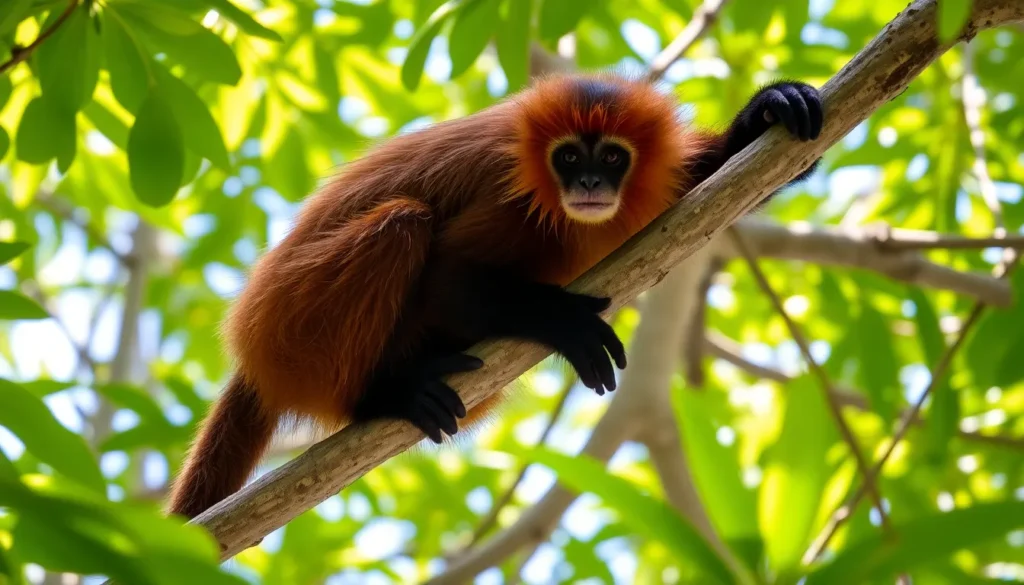
- Distinctive coloration: It has a striking coat with reddish-brown fur on its back and black limbs and belly.
- Size and weight: Adult males typically weigh around 7-9 kilograms, with females slightly smaller.
- Diet specialization: It primarily feeds on young leaves, flowers, and unripe fruit, often consuming toxic plant species that other primates avoid.
- Social structure: Zanzibar red colobus monkeys live in groups ranging from 10 to 30 individuals, often with multiple males and females.
- Vocal communication: They use a variety of vocalizations to communicate, including alarm calls and social signals.
- Arboreal lifestyle: These monkeys spend most of their time in the forest canopy, rarely descending to the ground.
- Locomotion: They exhibit agile movement through trees, primarily using quadrupedal walking and occasional leaping.
- Breeding habits: Females typically give birth to a single infant after a gestation period of about 5 months.
- Conservation status: Classified as endangered by the IUCN, largely due to habitat loss and fragmentation.
- Habitat preference: They inhabit coastal forest fragments, mangroves, and riverine forests on Unguja Island.
- Predators: Natural predators include large birds of prey and occasionally domestic dogs.
- Role in ecosystem: As folivores, they help in seed dispersal and maintaining forest health.
- Adaptations to toxins: They have evolved a digestive system capable of detoxifying certain poisonous plants.
- Cultural significance: Local communities recognize the Zanzibar red colobus as a symbol of their natural heritage.
- Population estimates: Current wild populations are estimated to be fewer than 2,000 individuals.
- Human impact: Deforestation, agriculture, and tourism development threaten their habitats.
- Conservation efforts: Protected areas like Jozani Forest Reserve play a crucial role in their survival.
- Research interest: Scientists study them to understand primate ecology, evolution, and conservation biology.
- Unique taxonomy: It belongs to the genus Piliocolobus, which includes several red colobus species across Africa.
- Lifespan: In the wild, they may live up to 20 years, though data are limited.
Habitat and Behavior
The Zanzibar red colobus inhabits the coastal forests and mangrove swamps of Unguja Island, preferring areas with dense tree cover for feeding and shelter. They are highly arboreal, rarely coming to the ground, which helps them evade predators and access their preferred diet of leaves and flowers high in the canopy. Their social groups are complex, consisting of multiple males and females, and they rely heavily on vocal communication to maintain group cohesion. Their ability to digest toxic plants allows them to exploit food sources unavailable to other primates, giving them an ecological niche that reduces competition.
Why This Animal Matters
The Zanzibar red colobus is an important species for both ecological balance and cultural identity. Ecologically, as a folivore, it contributes to seed dispersal and forest regeneration, which are essential for maintaining the health of Zanzibar’s unique ecosystems. Culturally, it is recognized by local communities as a symbol of their natural heritage and biodiversity. From a conservation perspective, the species is a flagship for preserving the remaining coastal forests of Zanzibar, highlighting the need for habitat protection and sustainable land use practices on the island.
Common Misconceptions
Misconception: The Zanzibar red colobus is a type of monkey commonly found across Africa.
Correction: It is endemic to Zanzibar’s Unguja Island and does not naturally occur elsewhere.
Misconception: Zanzibar red colobus monkeys are aggressive towards humans.
Correction: They are generally shy and avoid human contact, showing no aggressive behavior unless provoked.
Misconception: These monkeys only eat leaves.
Correction: While primarily folivorous, Zanzibar red colobus monkeys also consume flowers, fruits, and occasionally seeds.
FAQ
Where is the Zanzibar red colobus found?
The Zanzibar red colobus is endemic to Unguja Island, part of the Zanzibar Archipelago in Tanzania.
What does the Zanzibar red colobus eat?
Their diet mainly consists of young leaves, flowers, and unripe fruits, including some toxic plants that they can digest.
Why is the Zanzibar red colobus endangered?
The species is endangered primarily because of habitat loss due to deforestation, agricultural expansion, and development on Unguja Island.



Leave a Reply