
Short Answer
21 Facts About Visayan Warty Pigs
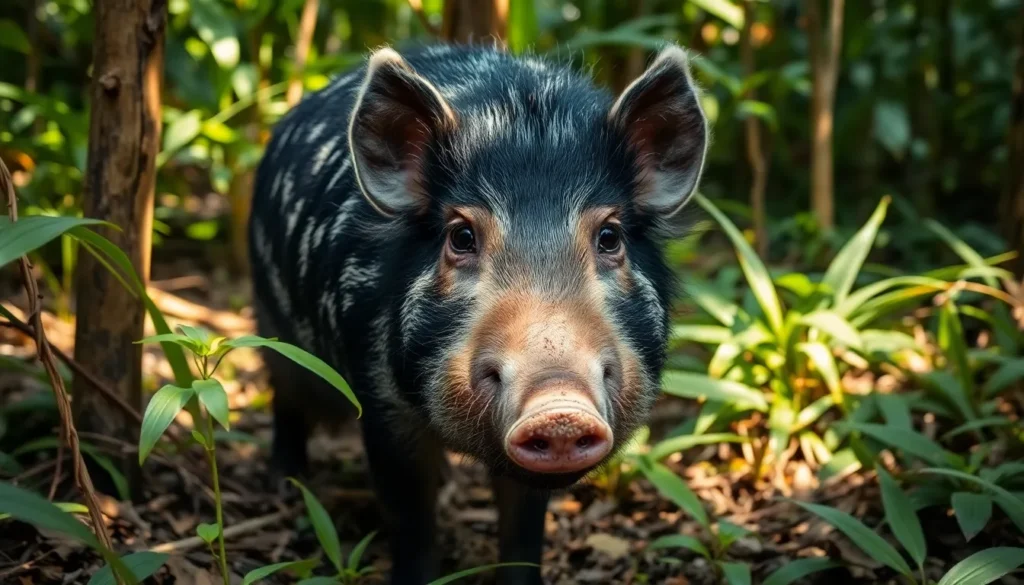
- Distinctive Warts: The Visayan warty pig is named for the large facial warts found on males, which serve as protection during fights.
- Scientific Classification: It belongs to the genus Sus and its scientific name is Sus cebifrons.
- Endemic Species: This pig is native exclusively to the Visayan Islands in the Philippines, including Panay, Negros, Cebu, and Masbate.
- Physical Appearance: It has coarse dark hair with lighter stripes or spots, and males are larger than females.
- Size: Adult males can weigh up to 60 kilograms (132 pounds), while females are generally smaller.
- Diet: They are omnivores, feeding on roots, fruits, insects, and small animals.
- Social Structure: Visayan warty pigs live in small groups called sounders, usually consisting of females and their young.
- Reproduction: Females usually give birth to litters of two to five piglets after a gestation period of about four months.
- Conservation Status: It is classified as Critically Endangered by the International Union for Conservation of Nature (IUCN).
- Habitat Loss: Deforestation and agricultural expansion have drastically reduced their natural habitat.
- Hunting Pressure: Illegal hunting for meat and trophies has contributed to population decline.
- Genetic Diversity: The remaining populations are fragmented and genetically isolated, increasing extinction risk.
- Role in Ecosystem: They help in seed dispersal and soil turnover through their rooting behavior.
- Behavioral Traits: They are mostly nocturnal and shy, avoiding human contact when possible.
- Distinct Subspecies: There are recognized subspecies, including the Panay and Negros warty pigs, each with slight variations.
- Conservation Efforts: Captive breeding programs and habitat restoration initiatives are underway to protect the species.
- Cultural Significance: Locally, the Visayan warty pig holds importance in folklore and traditional hunting practices.
- Threat from Hybridization: Crossbreeding with domestic pigs threatens the genetic purity of wild populations.
- Population Estimates: Wild populations are estimated to number fewer than 200 individuals in some areas.
- Reintroduction Attempts: Some conservation groups have attempted to reintroduce captive-bred individuals into protected forests.
- Scientific Interest: The species is studied to understand island biogeography, evolution, and conservation biology.
Habitat and Behavior
The Visayan warty pig inhabits primary and secondary forests on the Visayan Islands, favoring dense vegetation and areas with abundant food sources. They are primarily nocturnal, foraging at night for roots, fruits, and small animals, while resting in sheltered areas during the day. Their social groups usually consist of females and offspring, with males being more solitary except during mating seasons. These pigs use their snouts to root in the soil, aiding in nutrient cycling within their ecosystem. However, habitat destruction from logging and farming has severely fragmented their populations, forcing them into smaller, isolated forest patches.
Why This Animal Matters
Ecologically, the Visayan warty pig contributes to forest health through seed dispersal and soil aeration, making it an important species for maintaining forest dynamics. Culturally, it is part of indigenous folklore and local traditions, symbolizing the rich biodiversity of the Visayan Islands. Conservation-wise, protecting this species highlights broader efforts to preserve the unique biodiversity of the Philippines, a global biodiversity hotspot. Its critically endangered status draws attention to the challenges of habitat loss, hunting, and genetic erosion faced by many island species, emphasizing the need for sustainable conservation strategies.
Common Misconceptions
Misconception: Visayan warty pigs are just feral domestic pigs.
Correction: While related to domestic pigs, Visayan warty pigs are a distinct wild species with unique genetic, behavioral, and ecological characteristics.
Misconception: They are aggressive and dangerous to humans.
Correction: Visayan warty pigs are generally shy and avoid human contact, posing little threat unless provoked or cornered.
FAQ
Why is the Visayan warty pig critically endangered?
The Visayan warty pig is critically endangered primarily due to habitat loss from deforestation and agricultural development, illegal hunting, and genetic threats from hybridization with domestic pigs.
What distinguishes the Visayan warty pig from domestic pigs?
Visayan warty pigs have distinctive facial warts, a unique coat pattern with stripes or spots, and specific behavioral traits that differ from domestic pigs, which are selectively bred and lack these wild characteristics.
Are there conservation efforts to save the Visayan warty pig?
Yes, conservation efforts include captive breeding programs, habitat restoration, legal protection, and community education initiatives aimed at preserving the species and its natural environment.




Leave a Reply