
Short Answer
21 Facts About Hellbenders
- Largest Aquatic Salamander in North America
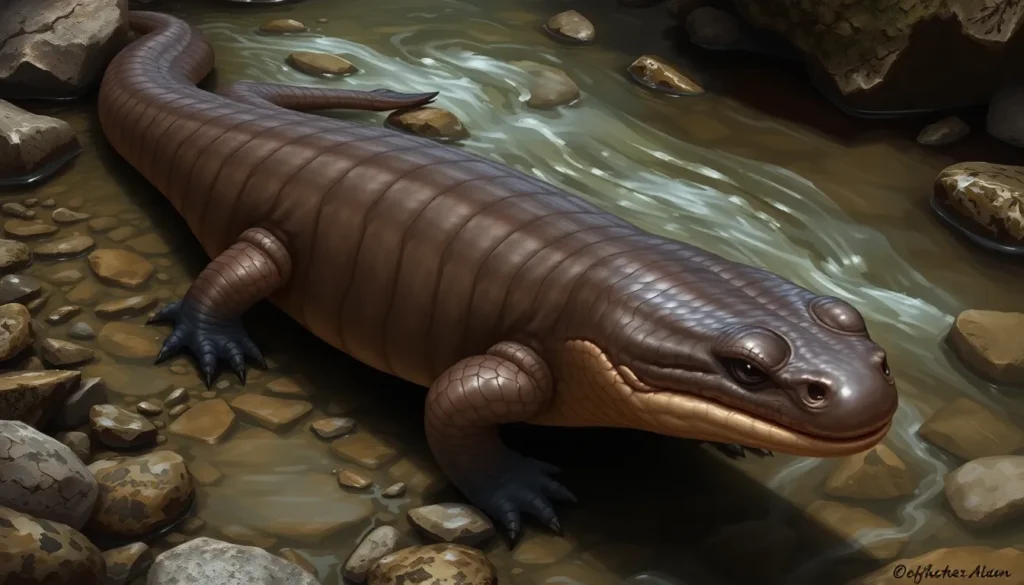
Hellbenders (Cryptobranchus alleganiensis) can grow up to 29 inches (74 cm) in length, making them the largest salamanders in the United States. - Ancient Species
Hellbenders are considered living fossils, with ancestors dating back over 65 million years. - Distinctive Wrinkled Skin
Their loose, wrinkled skin increases surface area for cutaneous respiration, which is crucial because they primarily breathe through their skin. - Fully Aquatic Lifestyle
Unlike many salamanders, hellbenders live exclusively in water, typically in cool, fast-flowing streams and rivers. - Nocturnal Hunters
They are primarily active at night, feeding on crayfish, small fish, insects, and other aquatic invertebrates. - Respiration through Skin and Lungs
While they have lungs, hellbenders rely heavily on their skin for gas exchange, requiring clean, oxygen-rich water. - Secretive and Solitary
Hellbenders tend to be solitary animals, hiding under large rocks during the day. - Long Lifespan
They can live up to 30 years or more in the wild, though precise lifespan data is still being studied. - Breeding Behavior
Males guard nests under rocks, where females deposit eggs; males protect the eggs until they hatch. - Slow to Mature
Hellbenders reach sexual maturity at about 5 to 8 years of age. - Indicator Species
Their presence indicates good water quality because they require clean, well-oxygenated streams. - Range and Distribution
They inhabit parts of the eastern United States, from southern New York to northern Georgia and west to Missouri and Oklahoma. - Two Main Subspecies
The eastern hellbender (Cryptobranchus alleganiensis alleganiensis) and the Ozark hellbender (Cryptobranchus alleganiensis bishopi) differ slightly in range and appearance. - Declining Populations
Populations have declined due to habitat loss, pollution, and disease, leading to conservation concern. - Large, Flattened Body
Their body shape helps them navigate fast-moving streams and hide under rocks. - Unique Defense Mechanism
They can excrete a milky substance when threatened, which may deter predators. - Low Reproductive Rates
Because of their slow maturity and low reproductive output, hellbender populations recover slowly from declines. - Importance in Food Web
As both predator and prey, hellbenders play a key role in stream ecosystems. - Adaptations to Cold Water
They thrive in cool, well-oxygenated waters, generally below 20°C (68°F). - Not Harmful to Humans
Despite their intimidating appearance, hellbenders are harmless and avoid human contact. - Conservation Efforts
Various initiatives focus on habitat protection, captive breeding, and disease management to preserve hellbender populations.
Habitat and Behavior
Hellbenders inhabit clean, fast-flowing streams and rivers with abundant rocky substrates, primarily in the eastern and central United States. They require cool, well-oxygenated water to support their cutaneous respiration. Their flattened bodies and loose skin are adaptations for this aquatic environment, allowing them to hide beneath large rocks and crevices during the day. Hellbenders are mostly nocturnal, emerging at night to hunt for prey such as crayfish, small fish, and aquatic insects. They are solitary and territorial, with males guarding nests during breeding season. Their slow growth and late sexual maturity contribute to their vulnerability, especially as habitat degradation and water pollution increase.
Why This Animal Matters
Hellbenders serve as important indicators of freshwater ecosystem health due to their sensitivity to water quality and pollution. Their role as mid-level predators helps regulate populations of crayfish and other aquatic species, maintaining balance in stream food webs. Culturally, hellbenders have intrigued naturalists and are sometimes called “snot otters” or “devil dogs” due to their unusual appearance. Conservation of hellbenders highlights the broader need to protect freshwater habitats, benefiting many other aquatic organisms. Their decline signals environmental issues that may also impact human water resources, making their preservation ecologically and societally significant.
Common Misconceptions
Misconception: Hellbenders are dangerous and attack humans.
Correction: Hellbenders are shy and non-aggressive. They avoid humans and pose no threat, lacking venom or biting behavior harmful to people.
Misconception: Hellbenders are related to mythical creatures like dragons or demons.
Correction: While their appearance is unusual, hellbenders are simply large aquatic salamanders with no connection to mythological beings.
Misconception: Hellbenders can survive in polluted or stagnant water.
Correction: Hellbenders require clean, oxygen-rich streams; pollution and sedimentation severely harm their survival.
FAQ
What do hellbenders eat?
Hellbenders primarily feed on crayfish, but they also consume small fish, aquatic insects, and other invertebrates found in their stream habitats.
Are hellbenders endangered?
While not federally listed as endangered, hellbender populations are declining in many areas due to habitat loss, pollution, and disease, leading to conservation concern and protective measures.
How do hellbenders breathe underwater?
Hellbenders primarily breathe through their skin, which must remain moist and well-oxygenated. They also have lungs but rely mostly on cutaneous respiration in cold, oxygen-rich streams.





Leave a Reply