
Short Answer
21 Facts About Flying Fish
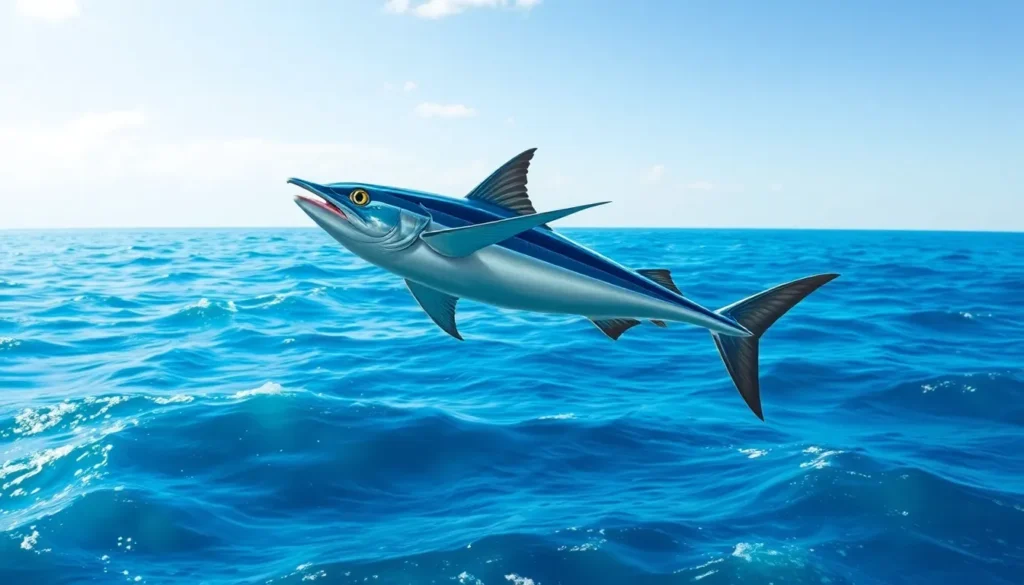
- Gliding Ability: Flying fish are capable of gliding above the water surface for distances up to 200 meters using their enlarged pectoral fins that act like wings.
- Not True Flight: Despite their name, flying fish do not truly fly but glide through the air after propelling themselves out of the water.
- Species Diversity: There are over 40 species of flying fish belonging to the family Exocoetidae.
- Size Range: Most flying fish range from 20 to 30 centimeters in length, though some species can grow larger.
- Habitat Preference: They primarily inhabit warm, tropical, and subtropical ocean waters around the world.
- Predator Evasion: Their gliding ability evolved mainly as an escape mechanism to avoid underwater predators such as tuna and dolphins.
- Takeoff Speed: Flying fish can reach speeds of up to 60 km/h underwater before launching themselves into the air.
- Dual Pectoral Fins: Many species have both enlarged pectoral fins and pelvic fins that help stabilize and extend their glide.
- Gliding Mechanism: They leap out of the water at a steep angle and spread their fins wide to catch air currents and extend their glide.
- Multiple Glides: Flying fish can perform sequential glides, dipping their tails back into the water to generate thrust and extend flight distance.
- Diet: They feed mainly on plankton, small crustaceans, and smaller fish near the ocean surface.
- Reproduction: Flying fish lay eggs that attach to floating debris or marine vegetation for protection and dispersal.
- Schooling Behavior: They often swim in schools which can number in the hundreds for increased protection.
- Commercial Value: In some regions, flying fish are harvested for food and bait, though they are not a major commercial species globally.
- Cultural Significance: Flying fish appear in folklore and cuisine in various cultures, notably in the Caribbean and Japan.
- Natural Predators: Besides fish, seabirds like frigatebirds prey on flying fish during their glides.
- Energy Efficiency: Gliding allows flying fish to conserve energy compared to continuous swimming at high speed.
- Evolutionary Adaptations: Their streamlined bodies and fin structures are specialized for both aquatic swimming and aerial gliding.
- Temperature Sensitivity: Flying fish prefer warm waters and are less common in colder ocean regions.
- Role in the Food Web: They serve as a key prey species for many mid-level ocean predators.
- Scientific Interest: Flying fish are studied for insights into biomechanics, evolution of flight, and marine ecology.
Habitat and Behavior
Flying fish inhabit warm oceanic waters around the globe, typically in tropical and subtropical zones. They are surface dwellers, often found near the ocean’s upper layers where plankton and small fish are abundant. Their schooling behavior offers safety in numbers, reducing the risk from predators. When threatened, flying fish use their powerful tail strokes to launch themselves out of the water and glide for considerable distances to evade capture. Their gliding behavior is not only an escape mechanism but also an energy-efficient way to travel quickly across the water surface. Reproduction involves laying eggs that adhere to floating objects, facilitating dispersal. Their presence is most prominent in open ocean environments but they can occasionally be found near coastal areas where conditions are suitable.
Why This Animal Matters
Flying fish play a significant ecological role as both predators and prey. By feeding on plankton and small fish, they help regulate these populations and maintain marine food web balance. As prey, they support a variety of larger predators including fish, seabirds, and marine mammals, making them an essential link in ocean ecosystems. Culturally, flying fish have importance in certain coastal communities where they are featured in traditional diets and folklore. Their unique gliding ability also provides valuable insights into evolutionary biology and biomechanics, contributing to scientific understanding of locomotion across different environments. Although not currently endangered, their reliance on warm waters means they could be affected by changing ocean temperatures and habitat conditions under climate change.
Common Misconceptions
Misconception: Flying fish can truly fly like birds.
Correction: Flying fish do not have powered flight; they glide through the air after leaping out of the water using their enlarged fins.
Misconception: Flying fish can stay airborne for long periods.
Correction: Their glides typically last only a few seconds and cover distances up to about 200 meters before they return to the water.
Misconception: All flying fish have the same appearance and size.
Correction: There are over 40 species of flying fish with variations in size, fin shape, and coloration adapted to their specific habitats.
Misconception: Flying fish live only in the Pacific Ocean.
Correction: Flying fish are found in warm waters worldwide, including the Atlantic, Indian, and Pacific Oceans.
Misconception: Flying fish are a major commercial fish species.
Correction: While they are fished regionally, flying fish are generally not a major target in global commercial fisheries.
FAQ
Can flying fish truly fly like birds?
No, flying fish do not have powered flight. They glide over the water surface by leaping out and spreading their fins, allowing them to stay airborne briefly.
What is the main reason flying fish glide above water?
The primary reason for gliding is to evade predators in the ocean, allowing flying fish to escape quickly by leaving the water momentarily.
Where are flying fish commonly found?
Flying fish inhabit warm tropical and subtropical ocean waters worldwide, including the Atlantic, Indian, and Pacific Oceans.



Leave a Reply