
Short Answer
21 Facts About Deer Flies
- Deer flies belong to the family Tabanidae. They are part of a larger group of flies commonly known as horse flies and deer flies.
- They are known for their painful bites. Female deer flies bite to obtain blood needed for egg development.
- Only females bite. Male deer flies feed on nectar and do not bite humans or animals.
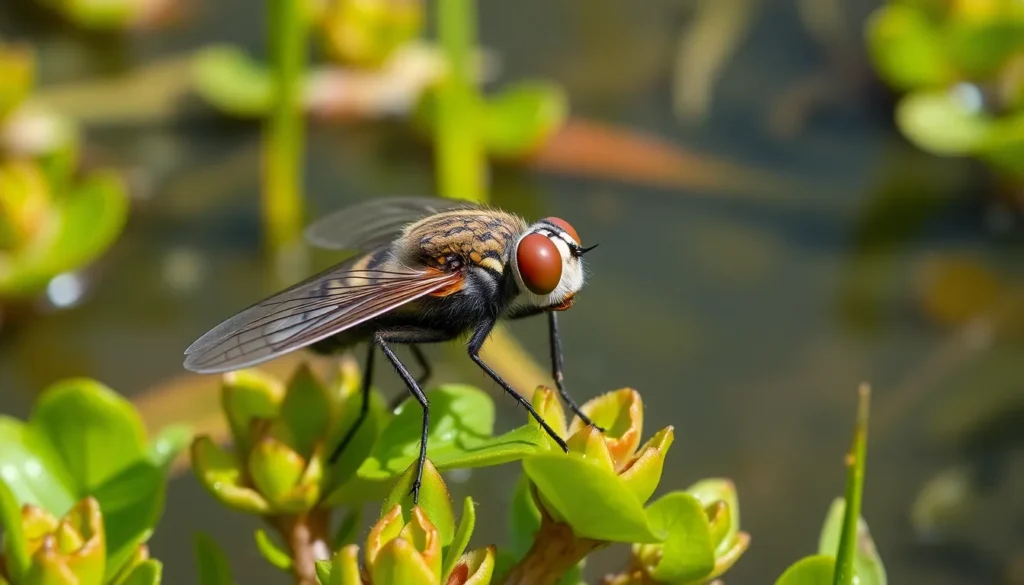
- Deer flies have distinctive colorful eyes. Their compound eyes often display iridescent patterns that vary among species.
- They are strong fliers. Deer flies can fly quickly and are capable of sustained flight to seek out hosts.
- Deer flies are attracted to movement and dark colors. These visual cues help them locate potential hosts.
- Their larvae develop in wet environments. Larvae are typically found in moist soil or aquatic habitats where they prey on small invertebrates.
- Adult deer flies are most active during warm, sunny days. They tend to be less active during overcast or windy conditions.
- They are prevalent in temperate regions worldwide. Deer flies are common in North America, Europe, and parts of Asia.
- Deer flies can transmit some animal diseases. While they are not major vectors for human disease, they can spread pathogens among livestock.
- Their bites can cause allergic reactions. Some individuals experience swelling, itching, or pain after being bitten.
- Deer flies use cutting mouthparts. Their mandibles and maxillae slice the skin to feed on blood.
- They have a short lifespan as adults. Adult deer flies generally live for several weeks to a couple of months.
- Deer flies are attracted to carbon dioxide. They use CO2 exhaled by animals to locate hosts.
- They often feed near water bodies. Since their larvae require moist habitats, adults are frequently found near lakes, streams, or wetlands.
- Deer flies can be a nuisance to humans and animals. Their biting behavior often disrupts outdoor activities and can stress livestock.
- They have a distinctive wing pattern. Many species have dark bands or spots on their wings that aid in identification.
- Deer flies exhibit seasonal population peaks. Their numbers typically rise in late spring and summer months.
- They play a role in the ecosystem as both predators and prey. Larvae prey on small invertebrates, while adults serve as food for birds and other insects.
- Deer flies contribute to pollination. Males and non-biting females feed on nectar, assisting in the pollination of some plants.
- Control methods include repellents and physical barriers. Using insect repellents and protective clothing can help reduce bites during peak activity periods.
Habitat and Behavior
Deer flies are found predominantly in temperate climates across North America, Europe, and parts of Asia. They favor habitats near wetlands, lakes, rivers, and moist wooded areas, which provide suitable environments for their larval stages. Larvae develop in wet soil or aquatic settings, where they are predatory on small invertebrates, contributing to controlling other insect populations. Adult deer flies are diurnal and most active during warm, sunny days, relying on visual cues such as movement and dark colors to locate hosts. Females require blood meals to mature their eggs, biting mammals including humans, deer, and livestock. Males, on the other hand, subsist on nectar and do not bite. Deer flies are known for their persistent and painful biting behavior, which they use to obtain blood through cutting mouthparts. Their populations peak in late spring and summer, with adults living for several weeks. Despite their nuisance, deer flies play an ecological role in food webs as prey for birds and other predators.
Why This Animal Matters
Deer flies have ecological significance both in their larval and adult stages. As larvae, they contribute to regulating populations of small invertebrates in wet environments, aiding in natural pest control. Adults assist in pollination when feeding on nectar, benefiting various plant species. Although deer flies can be pests due to their biting behavior, they are part of the food chain, providing sustenance for birds, amphibians, and other insectivorous animals. In agricultural contexts, deer flies can impact livestock health by causing stress and transmitting certain diseases, underscoring the need to understand their biology for effective management. Culturally, deer flies have been recognized in folklore and outdoor traditions primarily as nuisances, but their presence also indicates healthy wetland ecosystems.
Common Misconceptions
Misconception: Deer flies transmit dangerous diseases to humans.
Correction: While deer flies can transmit diseases among animals, they are not significant vectors of serious human illnesses.
Misconception: Both male and female deer flies bite.
Correction: Only female deer flies bite to obtain blood for egg development; males feed exclusively on nectar.
Misconception: Deer flies only bite deer.
Correction: Deer flies bite a variety of mammals, including humans, livestock, and wildlife, not just deer.
Misconception: Deer flies are a type of mosquito.
Correction: Deer flies are true flies in the family Tabanidae and are distinct from mosquitoes, which belong to the family Culicidae.
FAQ
Do deer flies transmit diseases to humans?
Deer flies are not considered significant vectors of human diseases. However, they can transmit certain pathogens to animals, especially livestock.
Why do only female deer flies bite?
Female deer flies require blood meals to obtain the protein necessary for egg development, whereas males feed on nectar and do not bite.
How can I protect myself from deer fly bites?
Protection methods include wearing long-sleeved clothing, using insect repellents effective against biting flies, and avoiding areas with high deer fly activity during peak times.


Leave a Reply