
Short Answer
21 Facts About Rhinos and Elephants Anti-Poaching Efforts
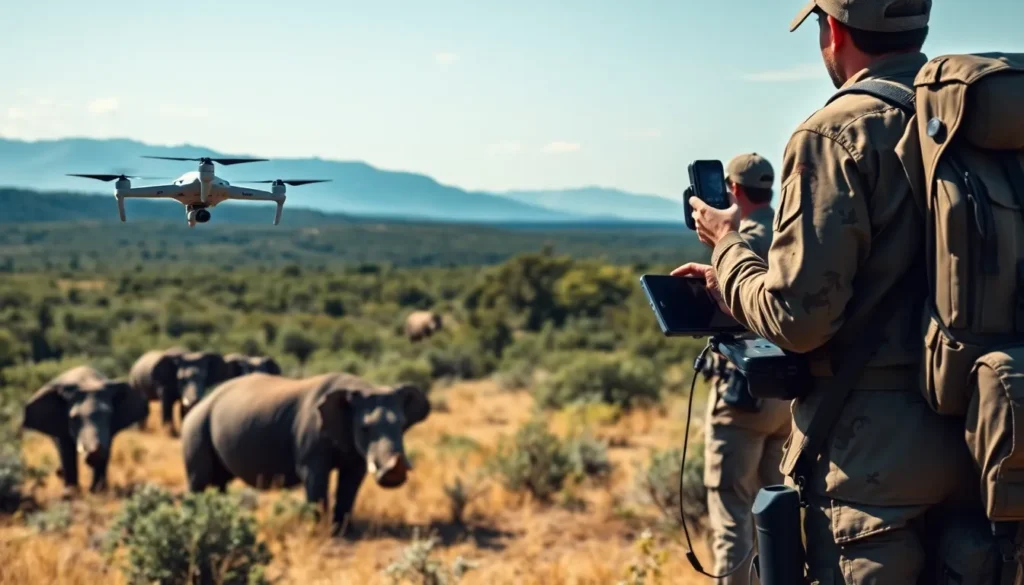
- Use of Technology: Anti-poaching units increasingly rely on technologies such as drones, GPS tracking, and thermal imaging to monitor wildlife and detect poachers.
- Community Involvement: Engaging local communities in conservation efforts helps reduce poaching by providing alternative livelihoods and fostering stewardship.
- International Cooperation: Global partnerships between governments and organizations facilitate intelligence sharing and coordinated action against transnational poaching networks.
- Rhino Horn Devaluation: Some programs involve injecting harmless dyes or toxins into rhino horns to reduce their value on black markets.
- Elephant Collar Tracking: Many elephants are fitted with GPS collars to monitor their movements and improve protection efforts.
- Legal Enforcement Challenges: Poachers often operate in remote areas with limited law enforcement presence, complicating anti-poaching measures.
- Training of Rangers: Specialized training in combat, tracking, and wildlife management is essential for rangers to effectively combat poaching.
- Sniffer Dogs: Trained dogs are used to detect poachers, weapons, and animal products such as ivory and rhino horn.
- Dehorning Rhinos: In some high-risk areas, rhinos are dehorned to deter poachers, though this method remains controversial.
- Impact of Demand Reduction Campaigns: Awareness campaigns aim to reduce consumer demand for ivory and rhino horn, particularly in Asia.
- Use of Artificial Intelligence: AI systems analyze data patterns to predict poaching incidents and optimize patrol routes.
- Funding Limitations: Many anti-poaching programs face financial constraints, affecting their reach and sustainability.
- Role of Conservation NGOs: Non-governmental organizations play a critical role in funding, research, and on-the-ground anti-poaching operations.
- Poaching’s Impact on Population Genetics: Selective poaching can reduce genetic diversity, threatening long-term species survival.
- Legal Ivory and Rhino Horn Trade Debates: Some advocates argue regulated trade could reduce poaching, but this remains highly contested.
- Community-Based Natural Resource Management: Empowering local communities to manage wildlife resources has shown positive results in some regions.
- Military-Style Anti-Poaching Units: Some countries have formed elite paramilitary groups to confront heavily armed poachers.
- Impact of COVID-19 Pandemic: Pandemic-related restrictions temporarily reduced some poaching activities but also limited conservation funding and patrols.
- Use of Satellite Imagery: Satellite data assists in monitoring habitat changes and illegal activities over large, inaccessible areas.
- Wildlife Crime Legislation: Stricter national and international laws aim to impose harsher penalties on wildlife traffickers.
- Success Stories: Certain reserves have reported significant reductions in poaching due to integrated anti-poaching strategies.
Habitat and Behavior
Rhinos and elephants inhabit a variety of ecosystems primarily in Africa and Asia. African elephants are typically found in savannas, forests, and deserts across sub-Saharan Africa, while Asian elephants live in forested regions of South and Southeast Asia. Rhinos occupy grasslands and tropical forests, depending on the species. Both animals are large herbivores playing crucial roles in shaping their environments. Elephants are known for their complex social structures and migratory behavior, often traveling long distances for food and water. Rhinos, generally solitary or found in small groups, use their horns for defense and territorial disputes. Their habitats are increasingly fragmented due to human activities and poaching pressure.
Why This Animal Matters
Both rhinos and elephants are keystone species that significantly influence their ecosystems. Elephants contribute to habitat modification through tree felling and seed dispersal, supporting biodiversity. Rhinos help maintain grassland health by grazing, which benefits other species. Culturally, elephants and rhinos hold symbolic importance in many societies and are emblematic of wildlife conservation worldwide. Their populations are indicators of ecosystem health. Conservation of these species is critical to preserving biodiversity and sustaining ecotourism economies. Additionally, combating poaching supports broader efforts against illegal wildlife trafficking, which is linked to organized crime and regional instability.
Common Misconceptions
Misconception: Poaching is only driven by local poverty.
Correction: While poverty can be a factor, poaching is often driven by international demand for ivory and rhino horn, involving sophisticated criminal networks.
Misconception: Dehorning rhinos completely prevents poaching.
Correction: Dehorning reduces poaching risk but does not eliminate it, as poachers may still kill rhinos for the smaller horn or for meat.
FAQ
What technologies are most effective in anti-poaching?
Technologies such as drones, GPS tracking collars, thermal imaging cameras, and AI-based data analysis have proven effective in monitoring wildlife and detecting poaching activities in real time.
How do community programs help reduce poaching?
Community programs provide education, economic alternatives to poaching, and involve locals in conservation, fostering a sense of ownership and reducing reliance on illegal activities.
Are all anti-poaching efforts universally successful?
Success varies by region and depends on factors like funding, political will, local engagement, and the adaptability of poachers. Integrated approaches combining technology, law enforcement, and community involvement tend to be most effective.


Leave a Reply