21 Interesting Facts About Lancelet Filter Feeding (Gill Slits)
Explore the unique filter feeding mechanism of lancelets through their gill slits, revealing fascinating facts about this primitive chordate’s biology and ecology.

Explore the unique filter feeding mechanism of lancelets through their gill slits, revealing fascinating facts about this primitive chordate’s biology and ecology.
Noise pollution in marine environments significantly affects marine mammals, altering their behavior, communication, and survival. This article explores 21 key facts about the impact of underwater noise pollution on marine mammals.
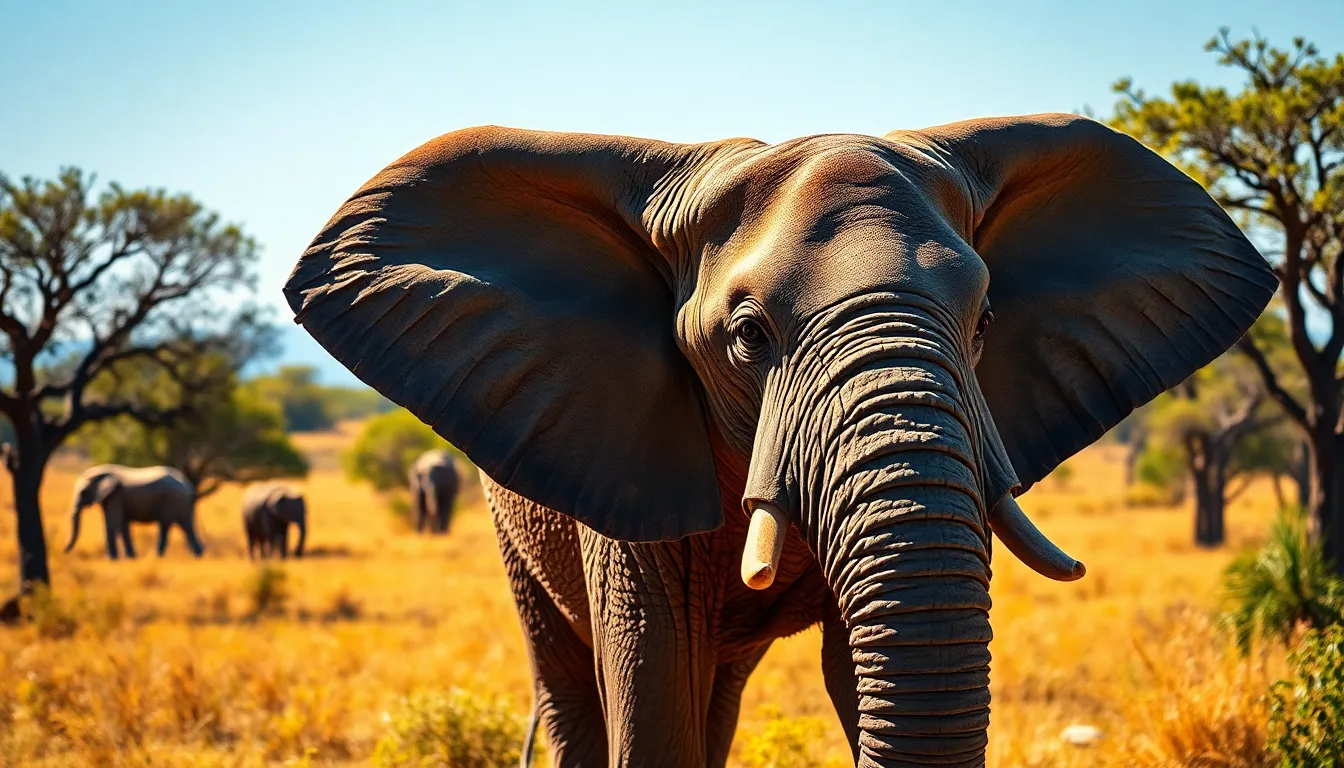
African elephants are the largest land mammals on Earth, known for their distinctive tusks and complex social behaviors. This article highlights 21 fascinating facts about their biology, habitat, behavior, and conservation.
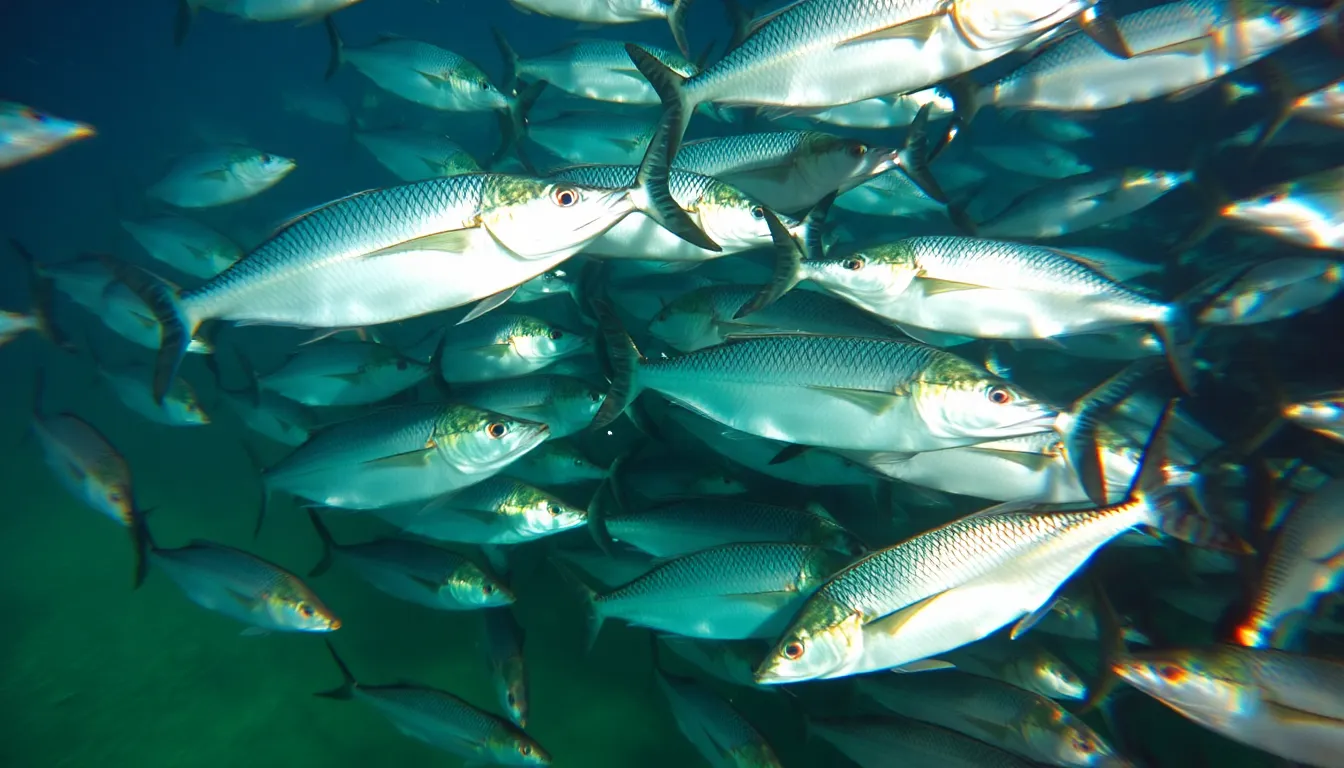
Explore 21 fascinating facts about the schooling behavior of mackerel, including their social dynamics, ecological importance, and common misconceptions.
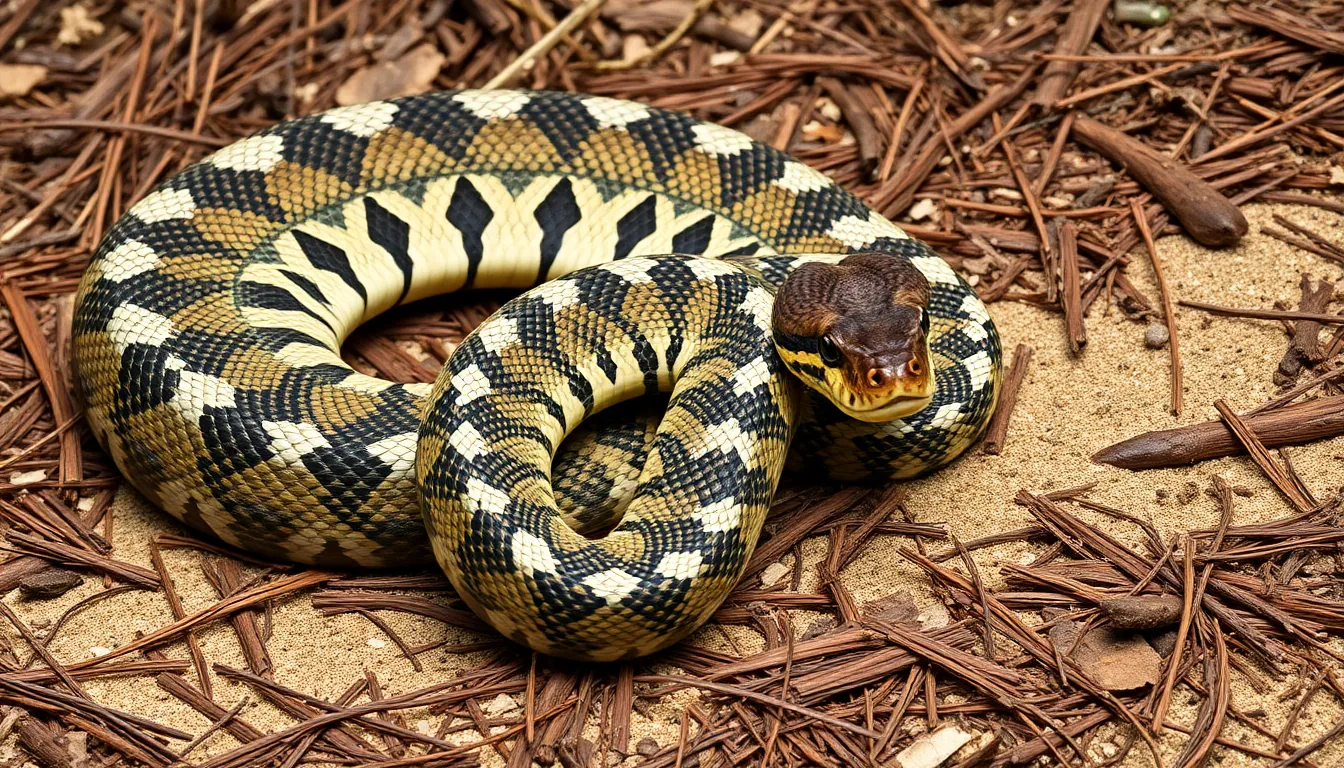
The Eastern Diamondback Rattlesnake is the largest venomous snake native to the United States, known for its distinctive diamond-shaped pattern and potent venom. Found primarily in the southeastern U.S., it plays an important role in its ecosystem and holds cultural significance.
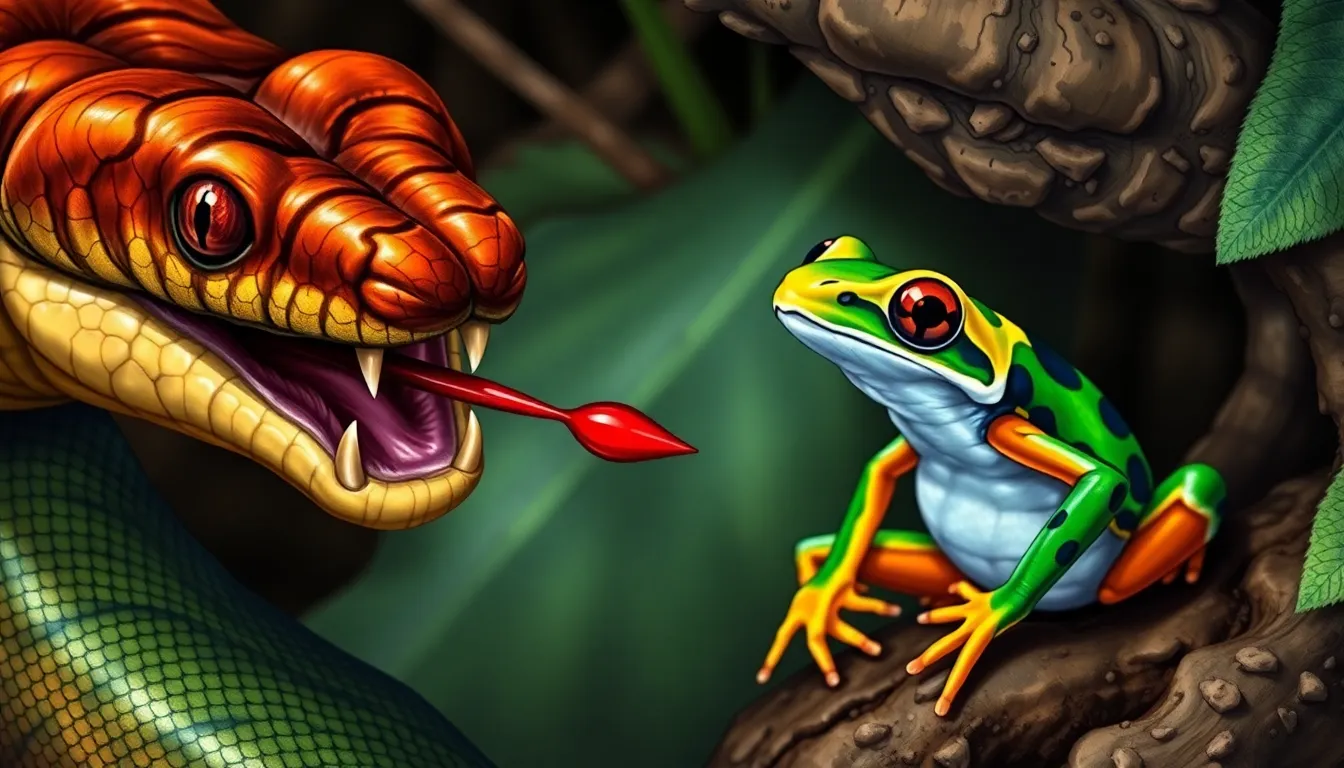
Venom and poison are two distinct biological mechanisms used by animals for defense or predation. This article explores 21 interesting facts about the differences, functions, and examples of venomous and poisonous animals.