
Short Answer
21 Facts About Oceanic Whitetip Shark
- Wide Distribution: The oceanic whitetip shark is found in tropical and subtropical waters worldwide, often far from land.
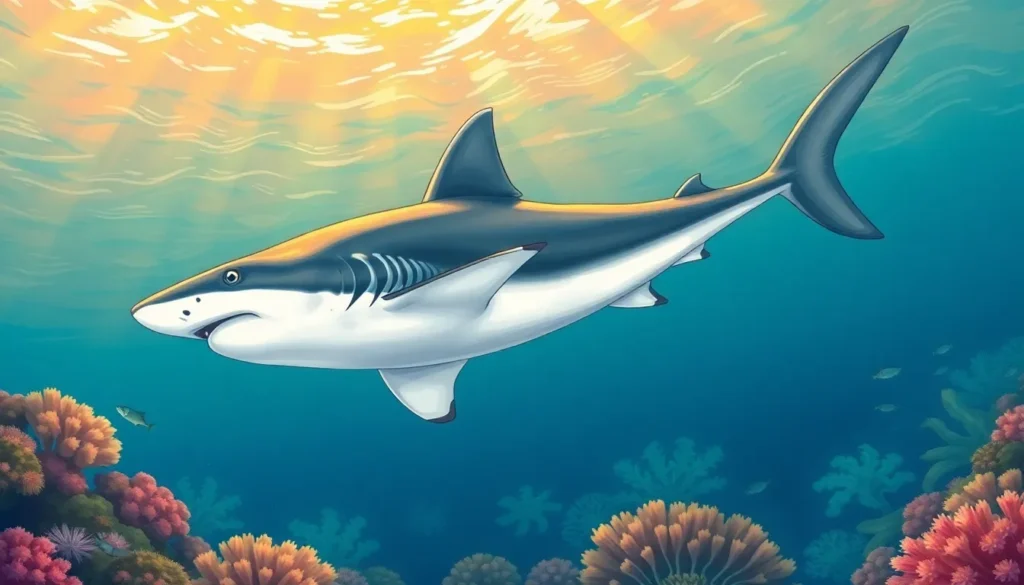
- Distinctive Appearance: This species is easily recognized by its long, slender body and distinctive white-tipped fins.
- Active Hunter: Oceanic whitetip sharks are known for their active hunting strategies, often approaching and investigating potential prey.
- Dietary Habits: Their diet primarily consists of fish, squid, and crustaceans, but they are opportunistic feeders.
- Potentially Dangerous: While not typically aggressive, oceanic whitetip sharks can pose a danger to humans, especially in situations where they feel threatened.
- Historical Attacks: The species has been involved in a number of unprovoked attacks on humans, particularly during World War II.
- Social Behavior: Oceanic whitetips are known to be social, often found swimming in groups or with other shark species.
- Reproduction: They are viviparous, meaning they give birth to live young after a gestation period of about a year.
- Growth Rate: They can grow up to 4 meters (13 feet) in length, though average sizes are typically smaller.
- Longevity: The lifespan of oceanic whitetip sharks can exceed 20 years in the wild.
- Threats to Survival: Overfishing and habitat loss pose significant threats to their populations, leading to declines in their numbers.
- Conservation Status: The IUCN lists the oceanic whitetip shark as vulnerable, highlighting the need for conservation efforts.
- Behavioral Adaptations: They have adapted to surface dwellings, often seen swimming near the ocean’s surface.
- Impact of Climate Change: Changes in ocean temperature and acidification can affect their habitat and prey availability.
- Ecological Role: As predators, they play a crucial role in maintaining the balance of marine ecosystems.
- Cultural Significance: In some cultures, sharks, including the oceanic whitetip, are revered as symbols of strength and resilience.
- Myth and Reality: Folklore often exaggerates the dangers of sharks, leading to unwarranted fear among humans.
- Research Importance: Studying oceanic whitetips provides insights into marine biology and shark behavior.
- Regulatory Measures: International regulations are being established to protect this species and ensure sustainable fishing practices.
- Public Awareness: Educational programs aim to raise awareness about the importance of sharks to ocean health.
- Future Research: Ongoing research is needed to understand better their migration patterns and population dynamics.
Habitat and Behavior
The oceanic whitetip shark inhabits the open ocean, often found in warm tropical and subtropical waters. Preferring the surface layer of the ocean, they can often be seen gliding gracefully through the water. These sharks are known to be highly curious and will investigate boats and divers. They exhibit social behavior, sometimes swimming in groups, which may aid in hunting and protection. Their adaptability allows them to thrive in various environments, although they are primarily pelagic and distant from coastal areas.
Why This Animal Matters
The oceanic whitetip shark plays a significant ecological role as a top predator, helping to maintain the balance of marine ecosystems by controlling fish populations. Its presence indicates a healthy ocean environment. Moreover, the species has cultural importance in various communities, symbolizing strength and resilience. Conservation efforts are crucial for sustaining their populations, particularly in light of threats such as overfishing and habitat degradation.
Common Misconceptions
Misconception: Oceanic whitetip sharks are aggressive and frequently attack humans.
Correction: While there have been attacks attributed to this species, they are not inherently aggressive towards humans and usually avoid contact.
Misconception: All sharks are dangerous and should be feared.
Correction: Most shark species, including the oceanic whitetip, are not a threat to humans and play vital roles in marine ecosystems.
FAQ
Are oceanic whitetip sharks dangerous to humans?
They can pose a danger in certain situations, but they are not inherently aggressive.
What is their diet?
They primarily feed on fish, squid, and crustaceans.
Why are they considered vulnerable?
Due to overfishing and habitat loss, their populations are declining.






Leave a Reply