
Short Answer
21 Facts About Zoonotic Diseases
1. Zoonotic Diseases Are Transmissible Between Animals and Humans
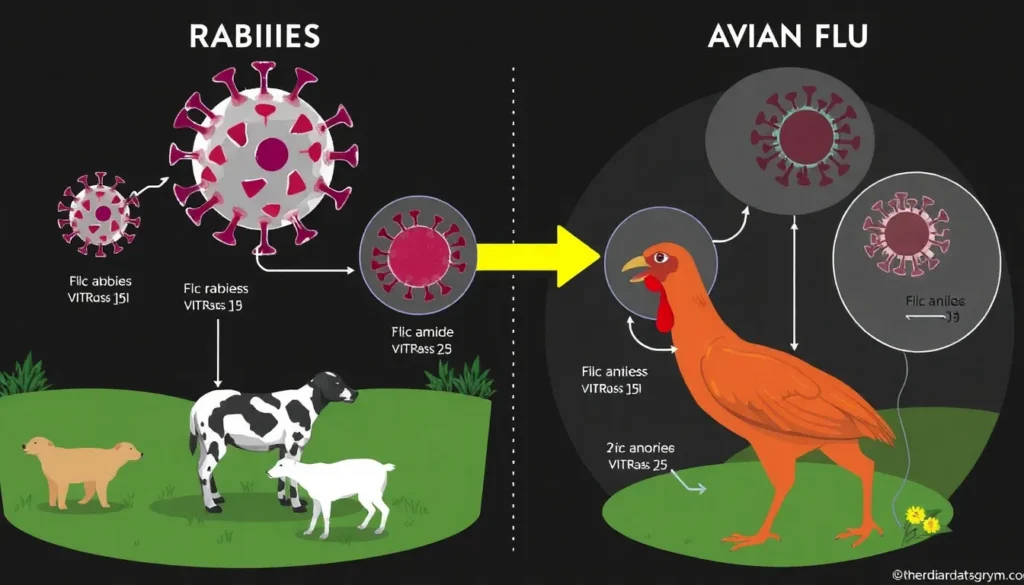
Zoonotic diseases are infections that can be transmitted from animals to humans. This includes various pathogens such as bacteria, viruses, and parasites. Rabies and avian flu are prominent examples.
2. Rabies Is Primarily Transmitted Through Animal Bites
Rabies is caused by the rabies virus and is most commonly spread through the bite of an infected animal, primarily wild animals like bats, raccoons, and skunks. The virus travels through the nervous system and can be fatal without timely treatment.
3. Avian Flu Primarily Affects Birds
Avian influenza, or bird flu, is predominantly found in birds, particularly domestic poultry. Certain strains can infect humans, leading to serious illness, though human cases are rare compared to the animal population.
4. Vaccination Reduces Rabies Incidence
Vaccination of pets and wildlife has significantly reduced the number of rabies cases in many regions. Public health initiatives focus on vaccinating domestic animals to prevent the disease’s spread to humans.
5. Avian Flu Can Cause Severe Economic Losses
Outbreaks of avian flu can lead to significant economic impacts on poultry industries due to culling of infected birds and trade restrictions. This can affect food supply and farmers’ livelihoods.
6. Rabies Has a Long Incubation Period
The incubation period for rabies can vary from a few weeks to several months, depending on the site of the bite and the amount of virus introduced. Early symptoms may be vague, making diagnosis challenging.
7. Avian Flu Strains Can Evolve
Avian flu viruses can mutate, which may increase their ability to infect humans. Monitoring these changes is crucial for public health preparedness and response to potential outbreaks.
8. Rabies Is Almost Always Fatal Once Symptoms Appear
Once clinical symptoms of rabies manifest, the disease is nearly always fatal. Early intervention with post-exposure prophylaxis is critical for prevention.
9. Avian Flu Can Spread Through Contaminated Environments
Humans can contract avian flu by handling infected birds or contaminated surfaces. Proper hygiene and biosecurity measures are essential in preventing transmission.
10. Global Surveillance Is Important
Global surveillance systems monitor zoonotic diseases to detect outbreaks early. This is especially important for diseases like avian flu, which can cross species barriers.
11. Dogs Are Major Carriers of Rabies
Globally, unvaccinated dogs are the primary source of rabies transmission to humans. Efforts to control rabies often focus on dog vaccination and population management.
12. Avian Flu Can Be Zoonotic
While avian flu primarily affects birds, certain strains can infect humans, leading to severe respiratory illness. Awareness and monitoring are crucial during outbreaks.
13. Rabies Prevention Strategies Include Public Education
Public health campaigns educate communities about rabies prevention, including avoiding contact with wild animals and ensuring pet vaccinations are up-to-date.
14. Symptoms of Avian Flu in Humans
Symptoms of avian flu in humans can range from mild flu-like symptoms to severe respiratory distress. Early diagnosis and treatment are vital for improving outcomes.
15. Rabies Is Found on Every Continent Except Antarctica
Rabies is a global health concern, with cases reported in various countries, excluding Antarctica, where the cold climate does not support the virus’s transmission.
16. Not All Birds Carry Avian Flu
While many bird species can carry avian flu, not all are infected. Wild birds can act as reservoirs without showing symptoms, complicating outbreak management.
17. Vaccines Exist for Both Diseases
Vaccines are available for both rabies and certain strains of avian flu, offering effective preventive measures for at-risk populations, including people in contact with animals.
18. Wildlife Management Helps Control Rabies
Effective wildlife management strategies, including vaccination campaigns and habitat management, help reduce rabies transmission in animal populations.
19. Avian Flu Surveillance Systems Are in Place
Many countries have established surveillance systems to monitor avian flu in bird populations, which helps in early detection and response to potential outbreaks.
20. Human Rabies Cases Are Declining in Some Regions
Ongoing vaccination efforts and increased awareness have led to a decline in human rabies cases in certain regions, though challenges remain in others.
21. Public Health Collaboration Is Essential
Collaboration among public health organizations, veterinarians, and wildlife experts is crucial in managing zoonotic diseases, ensuring a comprehensive approach to prevention and control.
Habitat and Behavior
Zoonotic diseases like rabies and avian flu are associated with specific habitats. Rabies is prevalent in areas with high populations of unvaccinated dogs, while avian flu often originates in areas with dense poultry farming. Understanding the behavior of both wildlife and domestic animals is essential for managing these diseases.
Why This Matters
Zoonotic diseases pose significant risks to public health and agriculture. Their ecological role can impact wildlife populations and biodiversity. Furthermore, increasing urbanization and human-animal interactions raise the likelihood of disease transmission, making awareness and prevention critical.
Common Misconceptions
Misconception: Rabies is only a concern in rural areas.
Correction: Rabies can occur in urban settings as well, particularly where stray dog populations are present.
Misconception: Avian flu is always deadly to humans.
Correction: While avian flu can be severe, not all strains are highly pathogenic, and many human cases are mild or asymptomatic.
FAQ
What are zoonotic diseases?
Zoonotic diseases are infections that can be transmitted from animals to humans.
How is rabies transmitted?
Rabies is primarily transmitted through bites from infected animals.
Can avian flu affect humans?
Yes, certain strains of avian flu can infect humans, leading to respiratory illness.



Leave a Reply