
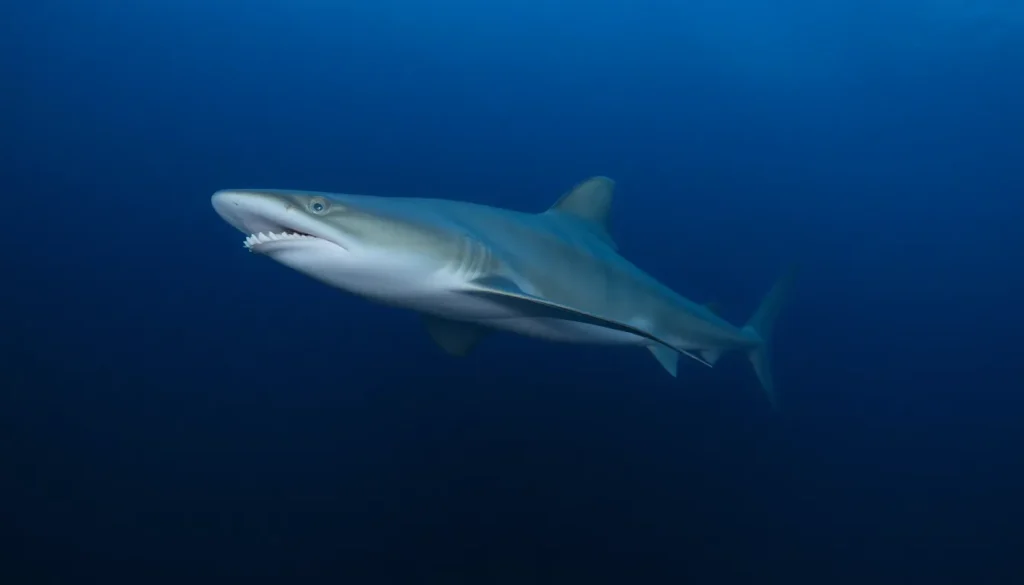
Short Answer
21 Facts About Frilled Shark
- Ancient Lineage: The frilled shark (Chlamydoselachus anguineus) is often referred to as a “living fossil” because it has existed for approximately 80 million years, showcasing features similar to early sharks.
- Distinctive Appearance: The frilled shark has a long, eel-like body and frilled gills, which give it a unique and somewhat prehistoric appearance.
- Habitat Depth: Frilled sharks typically inhabit deep waters between 200 to 1,500 meters (656 to 4,921 feet) deep.
- Diet: They primarily feed on squid, fish, and other small marine animals, utilizing their sharp teeth to capture prey.
- Reproductive Method: Frilled sharks exhibit ovoviviparity, where eggs hatch inside the female’s body and she gives birth to live young.
- Size: Adult frilled sharks can grow up to 2 meters (6.6 feet) in length.
- Coloration: They have a dark brown or grayish coloration, which helps them blend into the deep-sea environment.
- Slow Growth Rate: Frilled sharks grow slowly and can take several years to reach maturity.
- Limited Distribution: They are found in various locations around the world, including the North Atlantic and Pacific Oceans.
- Behavior: Frilled sharks are believed to be solitary creatures, often swimming alone rather than in groups.
- Predators: Their primary predators include larger shark species and potentially some marine mammals.
- Sensory Adaptations: Frilled sharks possess highly developed sensory organs, including electroreceptors, which help them detect prey in dark waters.
- Conservation Status: The frilled shark is currently listed as “Near Threatened” by the IUCN due to vulnerability to fishing practices.
- Fossil Record: Fossils of frilled sharks have been found, providing evidence of their long evolutionary history.
- Unique Feeding Mechanism: They are known to exhibit a unique feeding strategy, where they can consume prey larger than themselves.
- Slow Reproduction Rate: Females produce a small number of offspring, usually around 2 to 6, which can impact population recovery.
- Historical Significance: They are often studied to better understand the evolutionary biology of sharks.
- Live Observation Challenges: Due to their deep-sea habitat, live observations of frilled sharks are rare.
- Role in Ecosystem: As predators, frilled sharks play an important role in the marine ecosystem by regulating the populations of their prey.
- Unique Locomotion: They swim in a distinctive manner, using a serpentine motion to navigate through the water.
- Cultural References: The frilled shark has appeared in various cultural contexts, often associated with myths and legends about sea monsters.
This species provides valuable insights into the evolutionary history of sharks and their adaptations over millions of years.
These frilled gills are not only a visual characteristic but also serve an important function in respiration.
This deep-sea habitat helps protect them from many surface predators and human activities.

Their diet is adapted to their deep-sea environment, where such prey is abundant.
This reproductive strategy allows for greater survival of the young in the challenging deep-sea environment.
While not the largest shark species, their elongated shape allows them to maneuver effectively in deep waters.
This coloration is an adaptation for camouflage against predators and prey alike.
This slow growth rate makes them more vulnerable to overfishing and environmental changes.
This limited distribution can affect their population size and conservation status.
This solitary behavior may reduce competition for food and enhance their survival in deep waters.
Being deeper in the ocean can provide some protection from these predators.
These adaptations are crucial for survival in their deep-sea habitat where light is scarce.
Conservation efforts are necessary to protect their populations and habitats.
These fossils help scientists understand the development of sharks over millions of years.
This ability is facilitated by their flexible jaws and numerous sharp teeth.
This low reproductive rate is a concern for their conservation as it limits population growth.
Research on frilled sharks helps scientists trace the lineage and adaptations of modern sharks.
This makes it difficult to study their behavior and ecology in natural conditions.
This ecological role is crucial for maintaining the balance of marine life.
This unique movement is adapted for their deep-sea environment, allowing them to conserve energy.
Such cultural references highlight the intrigue surrounding this ancient creature.
Habitat and Behavior
The frilled shark inhabits deep ocean waters, typically found in regions with a depth ranging from 200 to 1,500 meters (656 to 4,921 feet). They prefer environments where they can easily hunt for prey, such as squid and small fish. Their solitary behavior often leads them to be seen alone, which may help them avoid competition for resources.
Why This Animal Matters
The frilled shark plays a vital role in marine ecosystems as a predator, helping to maintain the balance of marine populations. Its unique evolutionary history provides important insights into the development of sharks and their adaptations over time. Additionally, understanding this species can aid conservation efforts, as it is currently vulnerable to fishing and environmental changes.
Common Misconceptions
Misconception: Frilled sharks are often considered dangerous to humans.
Correction: While they possess sharp teeth, frilled sharks are not known to pose a threat to humans due to their deep-sea habitat and solitary nature.
Misconception: Frilled sharks are abundant in the oceans.
Correction: They are classified as “Near Threatened,” indicating that their populations are vulnerable and may be declining due to fishing practices.
FAQ
Where can frilled sharks be found?
Frilled sharks are found in deep ocean waters around the world, particularly in the North Atlantic and Pacific Oceans.
What do frilled sharks eat?
They primarily feed on squid, fish, and other small marine animals.
Are frilled sharks dangerous to humans?
Frilled sharks are not considered dangerous to humans due to their deep-sea habitat and solitary nature.

Leave a Reply