
Short Answer
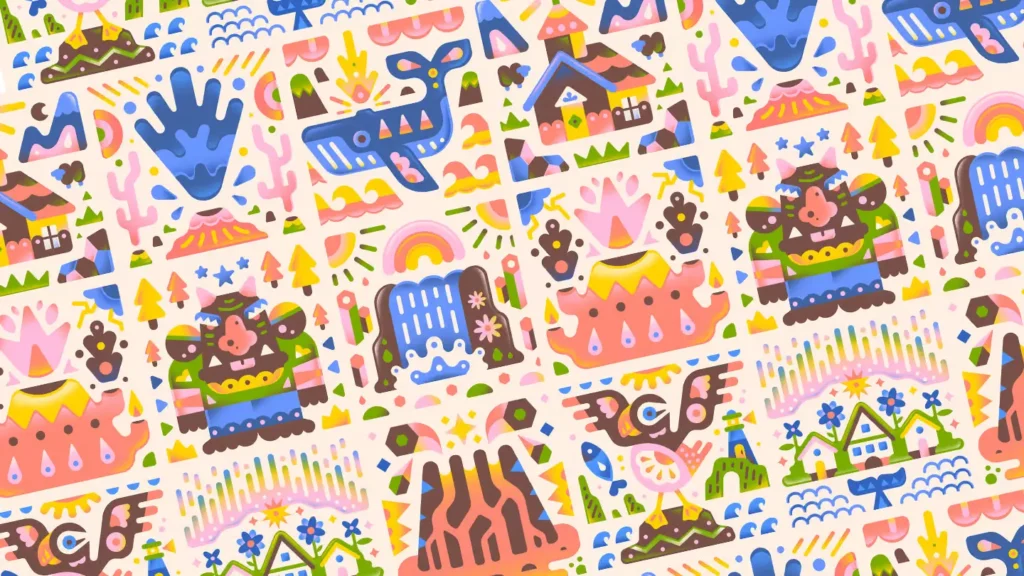
When one thinks of Iceland, it is often the juxtaposition of fire and ice that springs to mind. This magnificent island nation is replete with captivating landscapes, rich cultural heritage, and fascinating geological phenomena. Herein lies an assortment of intriguing facts about Iceland, highlighting its unique characteristics and the stunning beauty that captivates visitors and locals alike.
1. Dramatic Geological Features
Iceland is a geological marvel, sitting atop the Mid-Atlantic Ridge, where the North American and Eurasian tectonic plates converge. This location contributes to its distinctive volcanic landscape. The island boasts more than 30 active volcanic systems, including the renowned Eyjafjallajökull, known for its explosive 2010 eruption that brought European air traffic to a standstill.
2. Glaciers and Ice Caps
Home to some of Europe’s largest glaciers, including Vatnajökull, which spans approximately 8% of the island’s surface, Iceland is often dubbed the “land of ice.” These massive ice caps are not only breathtaking spectacles but also crucial to the island’s hydrology, influencing river systems and ecosystems. Glacier tours, including ice climbing and snowmobiling, offer adventure enthusiasts a front-row seat to nature’s artistry.
3. Midnight Sun and Polar Nights
Iceland experiences extreme variations in daylight throughout the year. In summer, particularly around the summer solstice, the phenomenon of the midnight sun graces the nation, allowing for nearly 24 hours of daylight. Conversely, winter brings about polar nights where the sun may not rise for several days. This dramatic fluctuation in daylight gives way to unique cultural celebrations and outdoor activities, from midnight golf games to the magical allure of the Northern Lights.
4. The Land of Geysers
Geysers are a prominent geological feature of Iceland, with the most famous being the Strokkur geyser at Geysir Geothermal Area. Strokkur erupts every few minutes, shooting water up to 30 meters into the air, mesmerizing onlookers. The unique geothermal activity provides visitors with a chance to experience bubbling mud pots and hot springs, infusing a sense of wonder into the landscape.
5. Diverse Flora and Fauna
The ecological diversity of Iceland is fascinating, supported by its unique climate and environment. While tree growth is limited due to historical deforestation and extreme weather conditions, hardy species such as birch and willow endure. Birdwatchers will revel in the sight of puffins, which nest on coastal cliffs during the summer. The island also churns with life beneath the waves, with numerous marine species and rich fishing grounds, attracting whale watchers eager to glimpse these majestic creatures.
6. Unique Cultural Heritage
Iceland has a rich literary tradition, tracing its roots back to the medieval sagas that chronicle the adventures of Norse explorers and settlers. The Sagas of Icelanders are particularly revered, offering glimpses into the lives of early Icelandic society. Additionally, Icelandic literature continues to flourish, with contemporary authors gaining international acclaim, such as Halldór Laxness, a Nobel Prize-winning writer.
7. Language and Identity
The Icelandic language has remained relatively unchanged since the medieval period, making it one of the oldest living languages in Europe that is still in use today. The preservation of Icelandic folklore, particularly tales of elves and hidden people, plays a crucial role in the national identity. This emphasis on linguistic and cultural purity reflects a deep connection to history and tradition.
8. Sustainable Energy Practices
Iceland is a global leader in renewable energy, harnessing geothermal and hydropower resources to meet nearly 100% of its electricity and heating needs. The country’s commitment to sustainability extends to various aspects of daily life, including eco-friendly practices within tourism. Visitors can explore geothermal baths, steam showers, and even sustainable food options that highlight local agriculture.
9. Culinary Delights
The Icelandic culinary scene is as unique as its landscape. Traditional dishes such as hárf and fermented shark (hákarl) showcase the country’s cultural heritage. Locally sourced ingredients, including seafood and lamb, play a prominent role in modern Icelandic cuisine. New Nordic influences have emerged, with innovative chefs transforming traditional fare into culinary art, making Iceland a burgeoning gourmet destination.
10. Festivals and Celebrations
Throughout the year, Iceland hosts a plethora of festivals that celebrate everything from culture to nature. Þorrablót, a midwinter festival, allows locals to indulge in traditional foods and partake in traditional singing and dancing. The Airwaves music festival and Reykjavik’s International Film Festival attract global talents and showcase Iceland’s vibrant arts scene, adding vibrancy to the social calendar.
Conclusion
Iceland is an extraordinary testament to the Earth’s raw beauty, a place where fire and ice coexist harmoniously. Its rich geography, cultural heritage, and commitment to sustainability weave together an experience that is both captivating and enriching. Every visit to this unique island leaves an indelible mark, reminding travelers that nature and nurture can converge to create environments of endless beauty.
FAQ
What are some unique geological features of Iceland?
Iceland is home to more than 30 active volcanic systems and some of Europe’s largest glaciers, including Vatnajökull.
What is the significance of the midnight sun in Iceland?
The midnight sun occurs during the summer solstice, providing nearly 24 hours of daylight, which influences cultural celebrations and outdoor activities.
How does Iceland utilize renewable energy?
Iceland uses geothermal and hydropower resources to meet nearly 100% of its electricity and heating needs.



Leave a Reply