
Short Answer
21 Facts About Boxfish Toxicity
- Boxfish are toxic to predators.
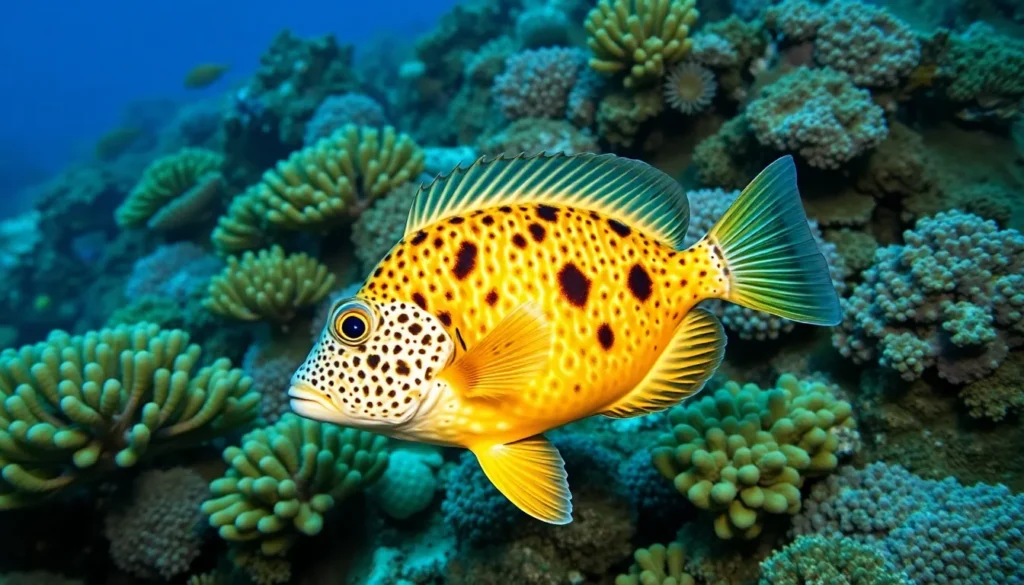
Boxfish, particularly species like the yellow boxfish (Ostracion cubicus), possess toxins in their skin and flesh that can deter potential predators. This toxicity is primarily due to the presence of compounds such as ostracitoxin. - Ostracitoxin is lethal.
The toxin, ostracitoxin, can cause paralysis and even death in fish that attempt to eat boxfish. This serves as an effective defense mechanism. - Boxfish can release toxins when threatened.
When stressed or injured, boxfish can release toxins into the surrounding water, which may affect other marine life in the vicinity. - Not all boxfish are equally toxic.
While many boxfish species exhibit toxicity, the level of toxins can vary significantly between species and individual fish. - Boxfish have a unique body shape.
Their distinct box-like shape reduces drag while swimming, allowing for easier maneuverability in their coral reef habitats. - Their toxicity is not harmful to humans.
Although boxfish are toxic to many marine animals, they are generally safe for humans to handle, though consuming them is not recommended. - Boxfish are slow swimmers.
Their body shape and swimming style make them relatively slow compared to other fish, relying on their toxicity for protection rather than speed. - Boxfish can change color.
Some species of boxfish can change their coloration in response to environmental factors, which may help them blend into their surroundings. - They often inhabit coral reefs.
Boxfish are primarily found in shallow coastal waters, particularly around coral reefs where they can find food and shelter. - Boxfish are omnivorous.
Their diet consists of algae, small invertebrates, and other organic matter found in their habitat. - Boxfish have a complex reproductive strategy.
They typically spawn in shallow waters, and the fertilized eggs are often left to develop without parental care. - Some cultures consider them a delicacy.
In some regions, boxfish are sought after for their unique taste, despite the risks associated with their toxins. - Boxfish are vulnerable to pollution.
Their habitat, often near coral reefs, is sensitive to pollution and habitat degradation, which can threaten their populations. - Boxfish are part of the Tetraodontiformes order.
This order includes other fish such as puffers and triggerfish, which share similar environmental niches and characteristics. - They have a unique skeletal structure.
Boxfish have a rigid, bony outer layer that provides protection and also contributes to their distinctive shape. - Boxfish can live for several years.
Depending on the species, boxfish can live for up to 20 years in the wild. - Boxfish are not aggressive.
Generally, they are peaceful creatures, preferring to remain hidden among corals rather than confront other fish. - Boxfish can be kept in aquariums.
While challenging, boxfish can adapt to life in captivity, though care must be taken to manage their dietary needs and toxic potential. - They are susceptible to overfishing.
Due to their unique appearance and taste, boxfish are sometimes overfished, which can impact local ecosystems. - Boxfish exhibit social behavior.
They can often be seen in small groups, although they are not known for forming large schools. - Boxfish are indicators of environmental health.
As sensitive species, changes in boxfish populations can indicate shifts in marine ecosystem health.
Habitat and Behavior
Boxfish primarily inhabit shallow coastal waters and coral reefs, where they find ample food and shelter. They are often seen in pairs or small groups and tend to stay close to the reef structures for protection. Boxfish exhibit a slow swimming style, relying more on their toxic defense than speed to evade predators. Their diet consists of small invertebrates and algae, making them omnivorous. They are also known to exhibit territorial behavior, often defending their feeding areas from intruders.
Why This Animal Matters
Boxfish play a significant ecological role in coral reef ecosystems by helping control algae populations and serving as prey for larger marine species, despite their toxicity. They are also important indicators of environmental health; fluctuations in their populations can signal changes in water quality and habitat conditions. Culturally, they are valued in some regions for their unique flavor, although care must be taken due to their toxic nature. Conservation efforts for coral reefs directly impact boxfish populations, highlighting the need for sustainable marine practices.
Common Misconceptions
All boxfish are deadly to humans.
While boxfish possess toxins that are harmful to many marine animals, they are generally safe for humans to handle, although consuming them is not advisable.
Boxfish are aggressive fish.
Boxfish are typically peaceful and prefer to avoid confrontation, relying on their toxicity for defense.
FAQ
Are boxfish safe for humans?
Yes, while boxfish are toxic to many marine species, they are generally safe for humans to handle, but consuming them is not recommended.
What do boxfish eat?
Boxfish are omnivorous and primarily feed on algae and small invertebrates found in their coral reef habitats.
How do boxfish defend themselves?
Boxfish utilize their toxicity as a defense mechanism against predators, which can be lethal if ingested.



Leave a Reply