
Short Answer
21 Facts About Phoronid Tube Secretion
- Phoronids are marine animals. These organisms are primarily found in shallow coastal waters, often inhabiting sandy or muddy substrates.
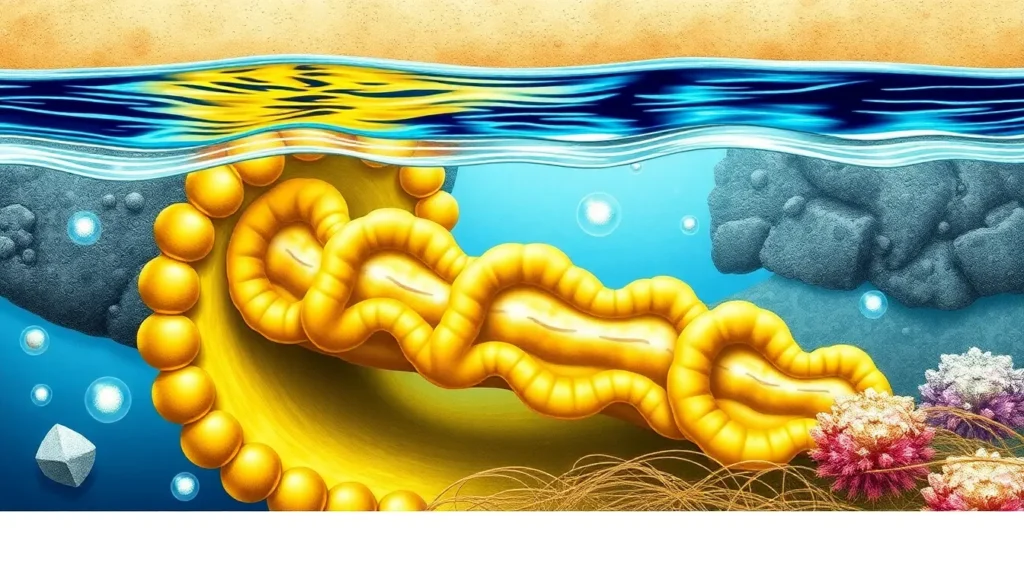
- They secrete protective tubes. Phoronids produce a tube made of collagen and other materials, which provides protection and structural support.
- Tube secretion varies by species. Different phoronid species may have distinct tube compositions and structures, adapting to their specific environments.
- Phoronid tubes can be quite long. Some species can create tubes that extend several centimeters in length, allowing them to anchor firmly to substrates.
- Tube secretion is influenced by environmental factors. Factors such as water temperature, salinity, and food availability can affect the rate and composition of tube secretion.
- Phoronids are filter feeders. They use their lophophore, a specialized feeding structure, to filter plankton and organic material from the water.
- Tube secretion aids in feeding. The tube helps maintain a stable feeding environment by protecting the lophophore from currents and predators.
- Phoronids have a simple body structure. They possess a cylindrical body and lack a true coelom, making them unique among marine invertebrates.
- Some phoronids can regenerate. If their tube is damaged, they can often regenerate it, which is crucial for their survival.
- Phoronids are part of the marine food web. They serve as prey for various marine animals, contributing to the ecosystem’s energy flow.
- They have a unique reproductive strategy. Phoronids can reproduce both sexually and asexually, depending on environmental conditions and availability of mates.
- Phoronids have a low metabolic rate. This adaptation allows them to survive in nutrient-poor environments by efficiently using available resources.
- Their tubes can influence sediment dynamics. The presence of phoronid tubes can alter local sediment structures, impacting other marine organisms.
- Phoronids exhibit a form of parental care. Some species provide care for their larvae, enhancing their chances of survival.
- They have a limited distribution. Phoronids are mainly found in temperate and polar marine environments, with fewer species in tropical regions.
- Phoronids display interesting locomotion. They can extend and retract their body within the tube, allowing for limited movement.
- Tube secretion can be influenced by pollutants. Environmental pollutants can affect the health of phoronids and their ability to secrete tubes.
- Phoronids contribute to habitat complexity. Their tubes create microhabitats for other small marine organisms, promoting biodiversity.
- They have a long evolutionary history. Phoronids are thought to have existed for over 500 million years, making them one of the ancient marine invertebrates.
- Phoronids are closely related to brachiopods. Both groups belong to the Lophophorata clade, sharing a common ancestor.
- Research on phoronids is ongoing. Scientists continue to study phoronid biology and ecology to understand their role in marine ecosystems better.
Habitat and Behavior
Phoronids primarily inhabit shallow coastal waters, often found in sandy or muddy substrates. They thrive in nutrient-rich environments where they can filter-feed effectively. Their tube structures provide stability and protection from predators, allowing them to maintain a position in the sediment. Phoronids are generally sessile, remaining in one location, but some species can exhibit limited movement.
Why This Animal Matters
Phoronids play a crucial role in marine ecosystems as filter feeders, contributing to nutrient cycling and serving as prey for various marine species. Their tubes enhance habitat complexity, supporting other organisms and promoting biodiversity. Additionally, understanding phoronid biology may provide insights into evolutionary processes and marine ecology.
Common Misconceptions
Misconception: Phoronids are worms. Correction: Phoronids are not worms; they are marine lophophorates with unique structural characteristics.
Misconception: Phoronid tubes are made of calcium carbonate. Correction: Phoronid tubes are primarily composed of collagen and do not contain calcium carbonate like some other marine organisms.
FAQ
What are phoronids?
Phoronids are marine invertebrates that secrete protective tubes and are known for their filter-feeding behavior.
How do phoronids reproduce?
Phoronids can reproduce both sexually and asexually, depending on environmental conditions.
Why are phoronids important to marine ecosystems?
Phoronids contribute to nutrient cycling and enhance habitat complexity, supporting biodiversity.


Leave a Reply