
Short Answer
21 Facts About Rabbit Breeds
- Rabbits Are Diverse
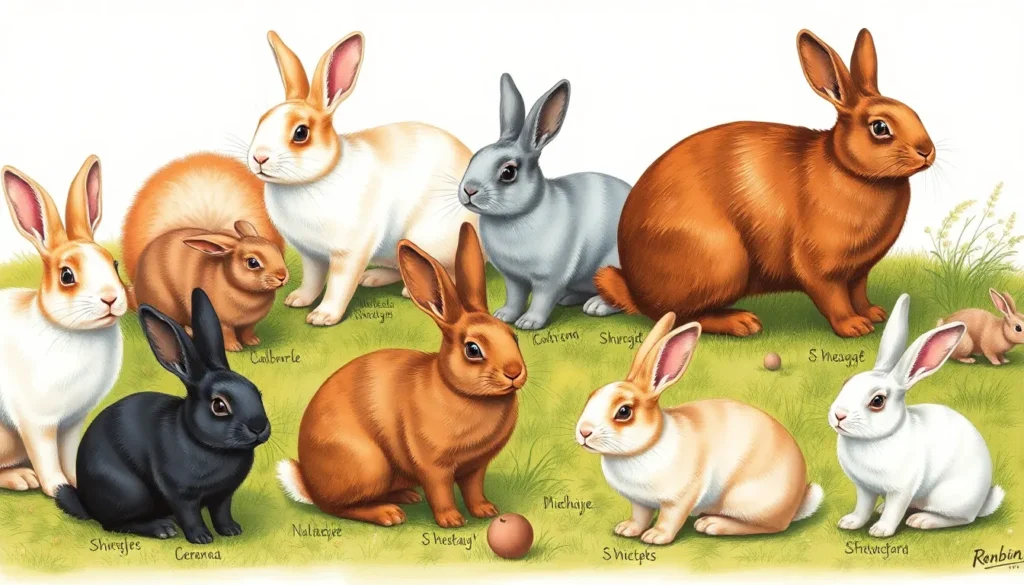
There are over 300 recognized rabbit breeds worldwide, categorized into various groups such as domestic, wild, and show breeds. - Size Variation
Rabbit breeds vary significantly in size, ranging from the small Netherland Dwarf, weighing around 2 pounds, to the Flemish Giant, which can weigh over 14 pounds. - Color Spectrum
Rabbits come in a wide array of colors and patterns, including solid, spotted, and agouti, allowing for a vibrant spectrum in domestic breeds. - Temperament Differences
Different breeds exhibit varying temperaments; for instance, the Holland Lop is known for its friendly nature, while the Rex breed is often more reserved. - Origin of Breeds
Many domestic rabbit breeds originated from wild European rabbits, selectively bred for specific traits such as size, coat type, and temperament. - Pet Popularity
Rabbits have become popular pets, with breeds such as the Mini Rex and Lionhead favored for their small size and friendly demeanor. - Show Competitions
Rabbit shows are held globally, where breeders showcase their rabbits based on breed standards, which include size, color, and coat quality. - Health Considerations
Certain breeds are predisposed to specific health issues; for example, the English Angora is prone to matting and dental problems due to its long fur. - Adaptability
Rabbits can adapt to various living conditions, but they thrive in spacious environments where they can exercise and explore. - Dietary Needs
Rabbits are herbivores, primarily eating hay, fresh vegetables, and pellets, which vary slightly depending on the breed’s size and age. - Social Creatures
Rabbits are social animals and often benefit from the companionship of another rabbit, leading to better mental health and reduced stress. - Unique Grooming Needs
Some breeds, particularly long-haired varieties like the Angora, require regular grooming to prevent matting and skin issues. - Reproductive Characteristics
Rabbits are known for their high reproductive rates, with a single doe (female rabbit) able to produce multiple litters each year. - Conservation Efforts
Some rabbit breeds are considered endangered, prompting conservation efforts to preserve their genetic diversity and unique traits. - Behavioral Traits
Rabbits display a range of behaviors, including digging, chewing, and binkying (jumping and twisting in the air), which are essential for their mental stimulation. - Life Span
The average lifespan of domestic rabbits varies by breed but typically ranges from 8 to 12 years, with proper care extending their lives. - Feral vs. Domestic
While domestic rabbits have been bred for specific traits, feral rabbits tend to have a more robust survival instinct due to their wild nature. - Training Potential
Certain breeds, like the Holland Lop, can be trained to perform tricks and use litter boxes, making them more manageable as pets. - Cultural Significance
Rabbits hold various cultural significances, often symbolizing fertility and rebirth, particularly in springtime celebrations. - Rabbit Behavior in the Wild
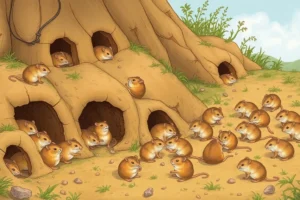
Wild rabbits live in colonies and exhibit complex social structures, using burrows for shelter and protection from predators. - Color Genetics
The variety of colors in rabbit breeds is due to complex genetic factors that determine coat color and pattern. - Breed Standards
Each breed has specific standards set by organizations such as the American Rabbit Breeders Association (ARBA), guiding breeding practices.
Habitat and Behavior
Rabbits are found in diverse habitats ranging from grasslands and forests to urban areas. Wild rabbits typically create burrows for shelter and safety, while domestic rabbits are often kept in homes or outdoor hutches. They are crepuscular, being most active during dawn and dusk. In the wild, they rely on their keen senses and speed to evade predators, while domestic rabbits require a secure environment to thrive.
Why This Animal Matters
Rabbits play a crucial ecological role as prey for various predators, contributing to the food chain’s balance. In agriculture, they can aid in soil aeration and seed dispersion. Culturally, they symbolize various themes, including fertility and renewal, appearing in folklore, art, and holidays such as Easter. Additionally, some rabbit breeds are at risk of extinction, making their conservation important for maintaining biodiversity.
Common Misconceptions
Rabbits can live on carrots alone.
While rabbits enjoy carrots, their diet should primarily consist of hay, fresh vegetables, and pellets for optimal health.
All rabbits are low-maintenance pets.
Rabbits require significant care, including social interaction, proper diet, and regular grooming, depending on the breed.
FAQ
What is the most popular rabbit breed as a pet?
The Holland Lop is often cited as one of the most popular pet rabbit breeds due to its friendly nature.
How often should I groom my rabbit?
Grooming frequency depends on the breed; long-haired breeds require more frequent grooming than short-haired ones.
Can rabbits be litter trained?
Yes, many rabbits can be litter trained, especially if introduced to a litter box at a young age.


Leave a Reply