
Short Answer
21 Facts About German Shepherds
- Originated in Germany: The German Shepherd breed was developed in the late 19th and early 20th centuries in Germany, primarily by Captain Max von Stephanitz, who aimed to create an ideal herding dog.
- Highly Intelligent: German Shepherds rank among the most intelligent dog breeds, excelling in learning commands and performing complex tasks.
- Versatile Working Dogs: They are commonly used in police, military, search and rescue, and service roles due to their trainability and physical capabilities.
- Strong Protective Instincts: German Shepherds have a natural protective nature, making them effective guard dogs and loyal family protectors.
- Double Coat: They possess a dense double coat that provides insulation against various weather conditions.
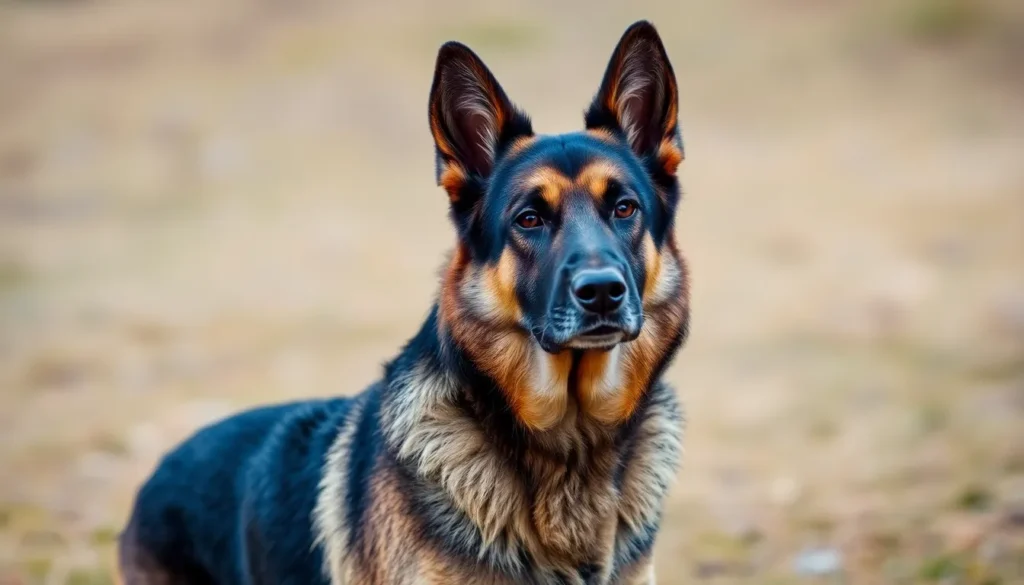
- Color Variations: Although typically black and tan, German Shepherds can come in black, sable, white (though not recognized by all kennel clubs), and other color patterns.
- Size and Build: They are medium to large-sized dogs, with males typically weighing 30–40 kg (66–88 lbs) and females slightly smaller.
- High Energy Levels: This breed requires regular physical and mental exercise to maintain health and prevent behavioral issues.
- Strong Bond with Owners: German Shepherds are known for their loyalty and form strong attachments to their human families.
- Socialization Is Important: Early socialization helps prevent aggressive tendencies and ensures well-rounded temperament.
- Common Health Concerns: They can be prone to hip dysplasia, elbow dysplasia, and certain genetic disorders.
- Life Expectancy: The average lifespan of German Shepherds is about 9 to 13 years.
- Excellent Scenting Ability: Their keen sense of smell is utilized in detection roles such as narcotics, explosives, and tracking.
- Popular in Media: German Shepherds have been featured in numerous films and television shows, often portraying police or heroic dogs.
- Highly Trainable: They respond well to positive reinforcement and structured training environments.
- Working Line vs. Show Line: There are distinctions between working line German Shepherds bred for performance and show line dogs bred for appearance.
- Temperament Varies: While generally confident and alert, individual temperament can vary based on genetics and upbringing.
- Good with Children: When properly socialized, they often make excellent family pets and companions for children.
- Shedding: German Shepherds shed year-round, with increased shedding periods typically occurring seasonally.
- Role in Service Work: They are widely used as guide dogs for the visually impaired and as therapy dogs.
- Recognition: The breed is recognized by major kennel clubs worldwide including the American Kennel Club (AKC) and the Fédération Cynologique Internationale (FCI).
Habitat and Behavior
German Shepherds are adaptable dogs that thrive in various living environments, from rural areas to urban settings, provided they receive adequate exercise and mental stimulation. Their behavior is characterized by intelligence, loyalty, and alertness. They are naturally protective and can be wary of strangers, which makes them excellent guard dogs. However, they require consistent training and socialization to manage their protective instincts appropriately. German Shepherds enjoy activities that challenge their minds and bodies, such as obedience, agility, and herding tasks. They tend to form strong bonds with their owners and can suffer from separation anxiety if left alone for long periods. Despite their working dog heritage, they can adapt well to family life when their needs are met.
Why This Animal Matters
German Shepherds hold significant ecological, cultural, and practical importance. Ecologically, as domestic animals, they contribute to human society by supporting roles in security, search and rescue, and assistance for people with disabilities. Culturally, they symbolize loyalty, bravery, and intelligence in many societies, often celebrated in media and literature as heroic and reliable companions. Their versatility as working dogs has made them indispensable in law enforcement, military operations, and service dog programs worldwide. Additionally, their popularity has influenced dog breeding practices and standards internationally. Conservation-wise, they are not endangered but require responsible breeding to maintain health and temperament standards.
Common Misconceptions
Misconception: German Shepherds are naturally aggressive and dangerous.
Correction: German Shepherds are protective but not inherently aggressive. Their behavior depends largely on training, socialization, and environment.
Misconception: German Shepherds can live happily with minimal exercise.
Correction: Due to their high energy and intelligence, German Shepherds require regular physical activity and mental stimulation to remain healthy and well-behaved.
Misconception: All German Shepherds look the same.
Correction: There is considerable variation in appearance, including differences between working and show lines and a range of coat colors and patterns.
Misconception: German Shepherds are only useful as police or military dogs.
Correction: While they excel in those roles, German Shepherds also serve as family pets, therapy dogs, service animals, and companions in diverse settings.
FAQ
How much exercise does a German Shepherd need?
German Shepherds typically require at least 1 to 2 hours of exercise daily, including physical activities like walking, running, and play, as well as mental stimulation through training or puzzle games to stay healthy and happy.
Are German Shepherds good family pets?
Yes, German Shepherds can be excellent family pets when properly socialized and trained. They are loyal, protective, and often good with children, but they require consistent guidance and engagement.
Do German Shepherds shed a lot?
German Shepherds are moderate to heavy shedders, with shedding occurring year-round and increasing during seasonal changes, especially in spring and fall.






Leave a Reply