
Short Answer
21 Facts About Cloning Animals
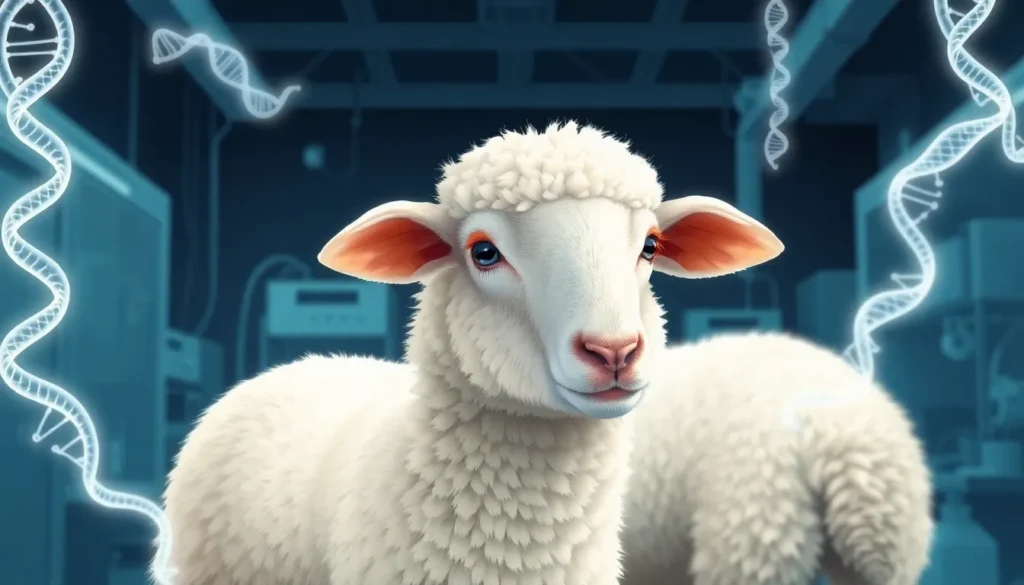
- Dolly was the first mammal cloned from an adult somatic cell. In 1996, scientists successfully cloned Dolly the sheep using a technique called somatic cell nuclear transfer (SCNT), proving adult cells could be reprogrammed to develop into an entire organism.
- Dolly was cloned at the Roslin Institute in Scotland. The research was led by Ian Wilmut and his team, marking a milestone in biotechnology and genetics.
- The cloning process involves transferring the nucleus of a donor cell into an egg cell with its nucleus removed. This egg then develops into an embryo genetically identical to the donor organism.
- Dolly’s birth challenged previous assumptions about cell differentiation. It showed that differentiated adult cells retain the genetic information necessary to develop into all cell types.
- Dolly was named after Dolly Parton. The name was inspired because the donor cell came from a mammary gland, linking to the singer’s well-known attributes.
- Cloning success rates are generally low. Many attempts result in failure or developmental abnormalities; Dolly was the only successful outcome from 277 attempts.
- Cloning does not produce exact copies in every respect. Epigenetic factors and mitochondrial DNA from the egg cell can cause differences between clone and donor.
- Cloning has been achieved in various animal species. These include mice, cows, pigs, cats, dogs, and horses, expanding its applications in agriculture and medicine.
- Animal cloning raises ethical and welfare concerns. Issues include high failure rates, potential suffering of clones, and broader questions about biodiversity and natural reproduction.
- Dolly lived for six years, shorter than typical sheep lifespan. She was euthanized due to progressive lung disease and arthritis, though it is debated whether cloning contributed to her health issues.
- Cloning has potential applications in conservation. Scientists consider cloning endangered species to help preserve genetic diversity and combat extinction.
- Cloning technology is used in agriculture to reproduce animals with desirable traits. This can enhance productivity and disease resistance in livestock.
- Cloning can aid medical research. It enables the production of genetically identical animals for disease study and drug testing.
- Cloning differs from genetic modification. Cloning copies an organism’s genome, while genetic modification alters the DNA sequence.
- Cloning does not create new genetic diversity. It reproduces existing genetic material without introducing variation.
- Public understanding of cloning is often influenced by science fiction. This can lead to misconceptions about the technology’s capabilities and implications.
- Cloning techniques continue to evolve. Improvements aim to increase efficiency, reduce abnormalities, and explore therapeutic cloning for regenerative medicine.
- Cloning raises intellectual property and patent issues. Rights over cloned animals and related technologies are subjects of legal debate.
- International regulations on cloning vary widely. Some countries restrict or ban cloning, while others permit research under specific conditions.
- Cloning has sparked discussions on the definition of individuality and identity. Ethical debates consider what it means to be a clone versus a unique organism.
- Dolly’s legacy persists as a symbol of biotechnological advancement. She remains a reference point in debates on genetics, ethics, and the future of reproduction technology.
Habitat and Behavior
Cloning animals do not constitute a natural species with habitats or behaviors; rather, they are laboratory-produced organisms. The original organism, such as Dolly the sheep, lived in a farm environment typical of domestic sheep, which generally inhabit grasslands, meadows, and agricultural areas. Sheep are social animals that graze in flocks and exhibit behaviors such as flocking for protection and grazing in a repetitive pattern. Cloned animals, once born, exhibit behaviors characteristic of their species, but their upbringing and environment may influence their development and behavior.
Why This Animal Matters
Dolly the sheep is significant because she demonstrated that adult cells could be reprogrammed to create a genetically identical organism, revolutionizing developmental biology and biotechnology. Her cloning paved the way for advancements in regenerative medicine, agriculture, and conservation biology. Cloning animals offers potential benefits such as preserving endangered species, producing genetically superior livestock, and providing models for human disease research. However, it also raises important ethical, legal, and social questions about technological intervention in natural processes.
Common Misconceptions
Misconception: Cloning creates exact, identical copies of animals in every way.
Correction: While clones share the same DNA as the donor, environmental factors, epigenetics, and mitochondrial DNA differences mean clones are not perfect replicas.
Misconception: Dolly was the first cloned animal.
Correction: Dolly was the first mammal cloned from an adult somatic cell, but other animals such as frogs and fish had been cloned earlier using different methods.
Misconception: Cloning can be used to reproduce humans easily.
Correction: Human cloning raises profound ethical and technical challenges; it remains unproven and widely condemned internationally.
Misconception: Cloning ensures longer or healthier life for animals.
Correction: Clones often face health challenges and shorter lifespans due to incomplete reprogramming and other biological factors.
Misconception: Cloning increases genetic diversity.
Correction: Cloning reproduces existing genetic material without adding diversity, which is important for population health and adaptability.
FAQ
What is animal cloning?
Animal cloning is a scientific process that creates a genetically identical copy of an animal, typically through somatic cell nuclear transfer, where the nucleus of a donor animal's cell is inserted into an egg cell that has had its nucleus removed.
Why was Dolly the sheep important?
Dolly was the first mammal cloned from an adult somatic cell, demonstrating that specialized adult cells could be reprogrammed to develop into a whole organism, which was a major breakthrough in genetics and developmental biology.
Are cloned animals exact copies of the originals?
Cloned animals have identical nuclear DNA to the donor organism, but differences in mitochondrial DNA and epigenetic factors mean they are not exact copies in all biological aspects.

Leave a Reply